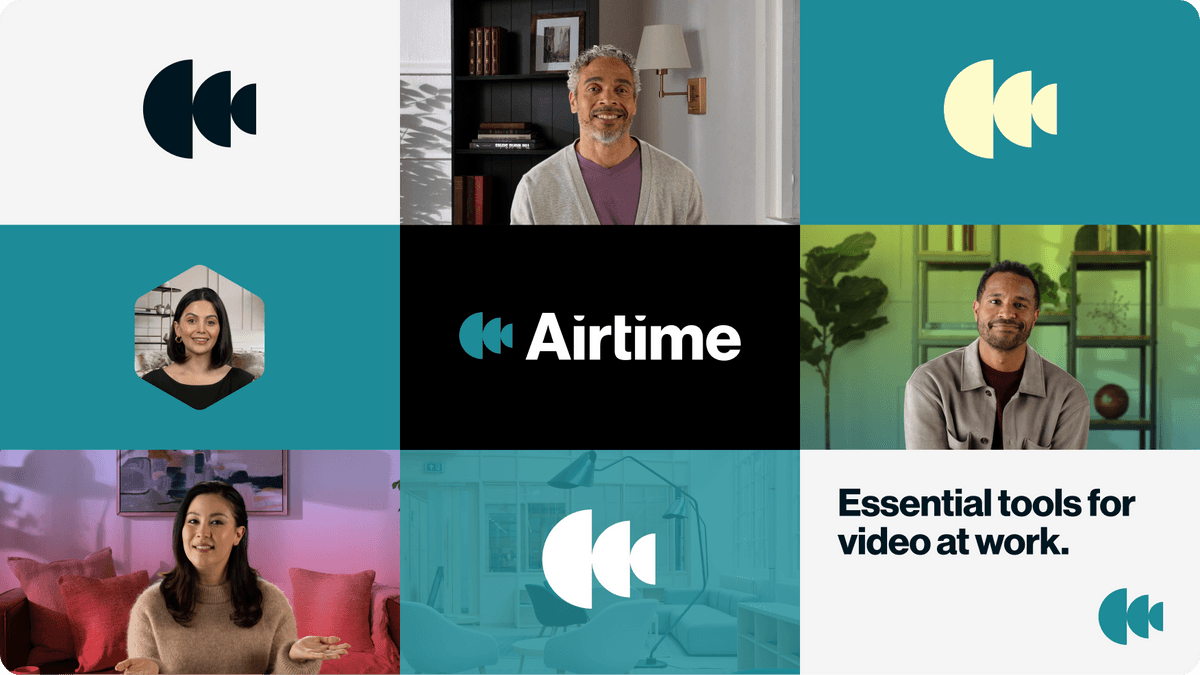
Video communication has become a cornerstone of professional interactions, with platforms such as Zoom boasting 300 million daily active users. In response to the evolving demands of digital meetings, Airtime has unveiled two innovative tools: Airtime Camera and Airtime Creator. These tools are set to transform the way individuals and teams engage in virtual communication.
Airtime Camera offers users the ability to personalize their video meeting backgrounds with features like logo integration, instant GIF reactions, and professional styling. Its compatibility with leading video conferencing platforms, including Zoom, Google Meet, and Microsoft Teams, ensures users can project a polished digital presence without sacrificing authenticity.
On the other hand, Airtime Creator tackles the limitations of traditional presentations by providing a streamlined platform for creating and sharing dynamic video content. This tool facilitates simultaneous interaction with the same information by multiple users, enhancing the collaborative and engaging nature of presentations.
Phil Libin, CEO of Airtime, highlighted the significance of digital presentation in today's professional landscape, noting that video serves as a crucial surface for brand representation. The platform's mission is to equip professionals with tools that enhance their video presence, making it both sophisticated and impactful.
Roelof Botha of Sequoia Capital commended the platform for its user-focused design, underscoring its potential to redefine digital interactions by fostering more genuine and expressive communication.
The pricing strategy for these tools is designed to ensure broad accessibility. Airtime Camera will be available for free until August 1, after which it will require a one-time payment of $20. Airtime Creator will be offered through a $10 monthly subscription following a complimentary trial period.
As the landscape of remote and hybrid work continues to shift, Airtime's tools represent a pivotal development towards more engaging, professional, and human-centric digital communication approaches.