

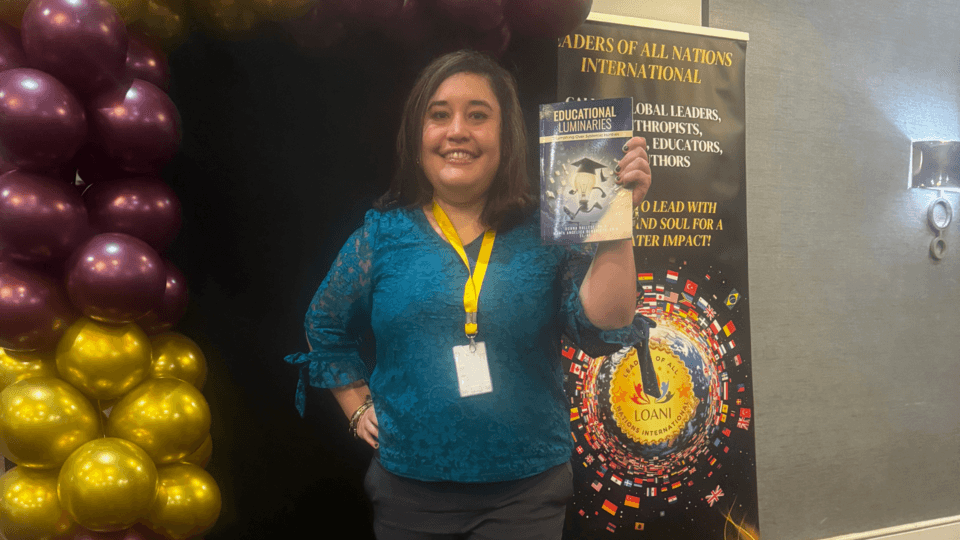
The recent success of 'Educational Luminaries: Triumphing Over Systemic Hurdles' underscores a growing consensus on the importance of media literacy in today's educational landscape. Published by B-Global Publishing House, the book has achieved bestseller status, ranking #1 in multiple Kindle categories and among Amazon's Top 5 print sales. This achievement reflects the book's timely exploration of critical challenges within the U.S. public education system and its provision of actionable solutions for academic reconstruction.
Contributing to the book's impactful message is Yesenia Reinoso, Founder and Principal of Y Communicate, who authored a chapter titled 'Bridging the Gap: Re-integrating Media Literacy into Public Education.' Reinoso's work delves into the intersection of corporate communications and academia, proposing innovative strategies for embedding media literacy into school curriculums. Her emphasis on storytelling and industry partnerships as tools for fostering media-literate generations highlights the book's practical approach to educational reform.
The book's acclaim arrives as media literacy gains recognition as a pivotal trend in education, with projections suggesting its significance will only increase by 2025. Reinoso's chapter, along with contributions from other co-authors, positions 'Educational Luminaries' as a cornerstone resource for educators, policymakers, and industry leaders alike. The collective work not only addresses current systemic hurdles but also envisions a future where media literacy is integral to public education, preparing students to navigate the complexities of the digital age.
Recognition of the book's importance was further cemented when Reinoso and her fellow co-authors received the Beacon of Educational Innovation Award, honoring their leadership and contributions to advancing education. This accolade, coupled with the book's commercial success, signals a shifting paradigm in educational priorities, with media literacy at its core.
As 'Educational Luminaries' continues to influence discussions around educational reform, its focus on media literacy offers a blueprint for integrating critical thinking and media analysis into curriculums nationwide. The book's insights into the synergy between education and corporate communications present a unique opportunity for stakeholders to collaborate in shaping a more informed and discerning future generation.
