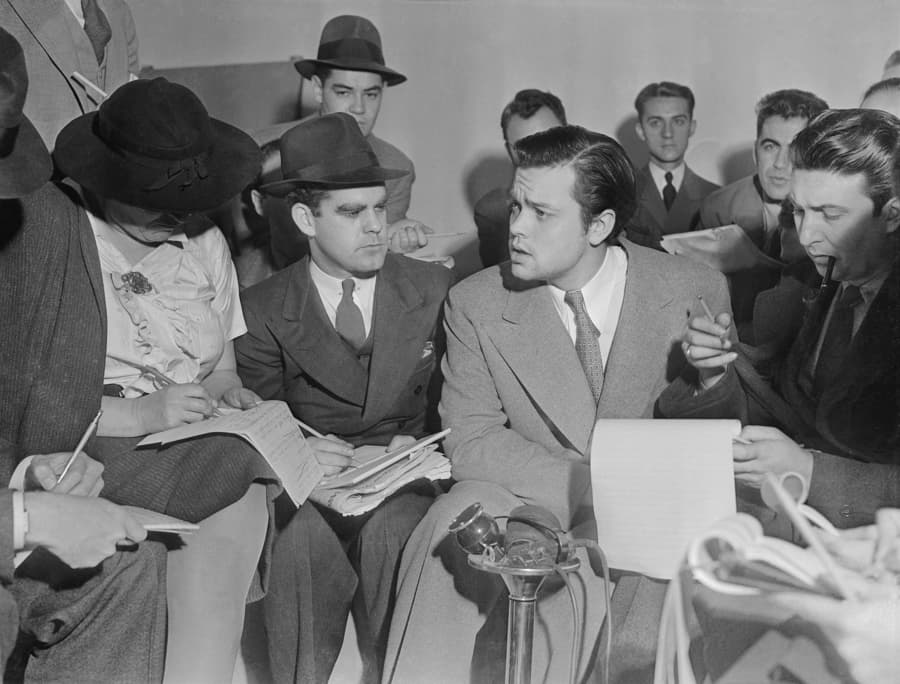
William Elliott Hazelgrove's latest book, 'Dead Air: The Night Orson Welles Terrified America', confronts the growing narrative that minimizes the impact of Orson Welles' 1938 'War of the Worlds' radio broadcast. Drawing from extensive research, including thousands of contemporary newspaper articles, Hazelgrove presents evidence that the broadcast's reach and the ensuing panic were far more extensive than some historians have claimed.
The book reveals that between six to twelve million people tuned into the broadcast, a stark contrast to the often-repeated figure of less than a million. Hazelgrove documents the night's chaos, detailing heart attacks, suicides, and accidents as terrified listeners fled their homes, convinced of an actual Martian invasion. The author attributes the widespread panic to the broadcast's innovative use of a breaking news format, the public's trust in radio, and the tense pre-World War II atmosphere.
'Dead Air' arrives at a critical time, as debates over media influence and misinformation dominate public discourse. Hazelgrove's examination of the 'War of the Worlds' broadcast serves as a cautionary tale about the power of media to shape public perception and incite panic. The book has garnered acclaim from major publications, underscoring its relevance in today's media landscape.
Published by Rowman and Littlefield, 'Dead Air' not only challenges revisionist accounts of a historic event but also prompts readers to reflect on the enduring susceptibility of the public to persuasive media narratives. Hazelgrove's work is a timely reminder of the responsibilities that come with media power and the potential consequences of its misuse.