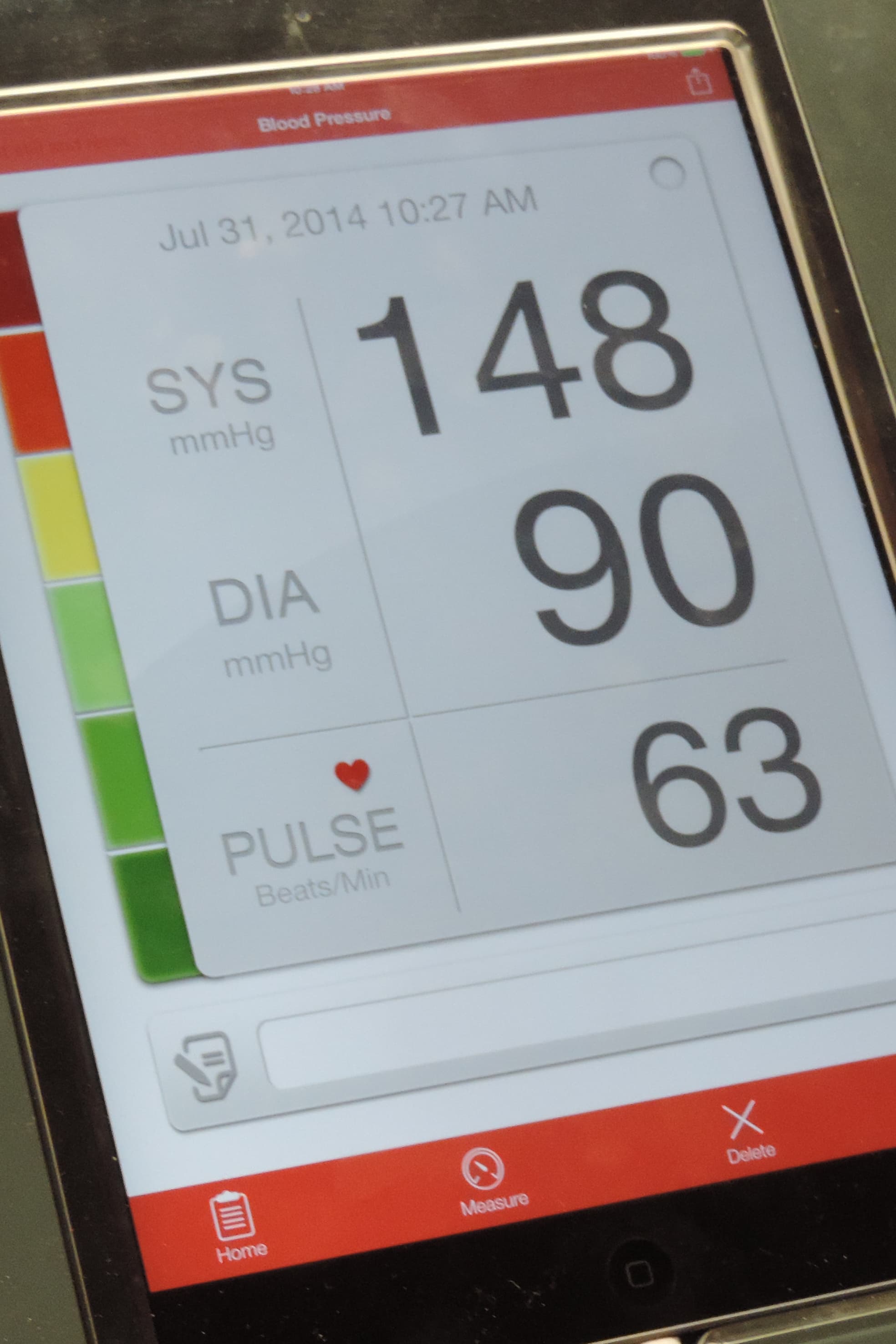
Researchers have unveiled a novel artificial intelligence (AI) system capable of detecting high blood pressure and diabetes through the analysis of short video clips, marking a significant advancement in non-invasive health screening technologies. The system, which analyzes subtle changes in blood flow visible in the skin, demonstrated a 94% accuracy rate in identifying stage 1 hypertension and a 75% accuracy rate in detecting diabetes during preliminary testing.
The technology leverages high-speed video recording at 150 frames per second to capture minute variations in blood flow in the face and palm. An AI algorithm then processes this data to identify signs of hypertension or diabetes, offering a promising alternative to traditional diagnostic methods that often require invasive blood tests. This innovation could enable individuals to monitor their health from the comfort of their homes, facilitating early detection and treatment for conditions that many avoid screening for due to the inconvenience or discomfort associated with current methods.
Despite its potential, the system is in the early stages of development, with researchers acknowledging the need for further validation across larger and more diverse populations. Factors such as lighting and movement, which could affect the accuracy of the system in uncontrolled environments, also need to be addressed. Experts like Dr. Eugene Yang of the University of Washington emphasize the importance of rigorous validation before the technology can be adopted for clinical use.
If successfully developed and validated, this AI-powered tool could significantly enhance access to early health screenings, particularly for hypertension and diabetes, conditions that benefit greatly from timely intervention. The research underscores the transformative potential of AI in healthcare, offering a glimpse into a future where key health metrics can be monitored effortlessly and non-invasively.