The elimination of minimum parking requirements by several Texas cities marks a significant shift in urban planning policy, aligning with a national trend towards fostering economic growth, promoting efficient land use, and addressing climate change concerns. Cities such as Austin, Taylor, Bandera, and Bastrop are at the forefront of this movement in Texas, with Austin making headlines in 2023 as the largest U.S. city to abolish mandatory off-street parking requirements for businesses. This decision is part of a broader reassessment of regulations now considered outdated by many.
According to the Parking Reform Network, over 1,400 cities and towns across the country have adopted some form of parking reform. Advocates argue that these reforms do not necessarily lead to a shortage of parking spaces but instead shift the decision-making process from local governments to builders and property owners. Tony Jordan, founder of the Parking Reform Network, criticizes current parking minimums as "completely artificial" and based on outdated standards.
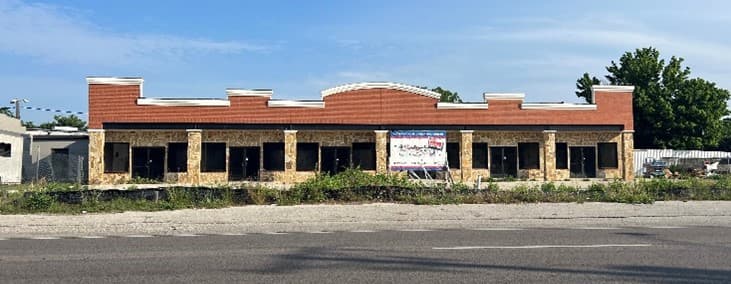
The impact of stringent parking requirements is particularly evident in older commercial areas, where properties often remain vacant due to the inability to meet current parking codes without significant land acquisition or expensive construction. The Haltom United Business Alliance (HUBA) has been advocating for the creation of an overlay district in Haltom City to eliminate parking minimums and adopt more business-friendly policies, highlighting the challenges posed by inflexible parking regulations.
The American Planning Association has recognized the benefits of parking reform, noting its positive impact on small businesses, housing development, and urban livability. As the debate over parking reform continues, cities across Texas and the nation are reevaluating their approach to parking regulations, with the potential to revitalize struggling areas, attract new businesses, and create more vibrant urban environments.