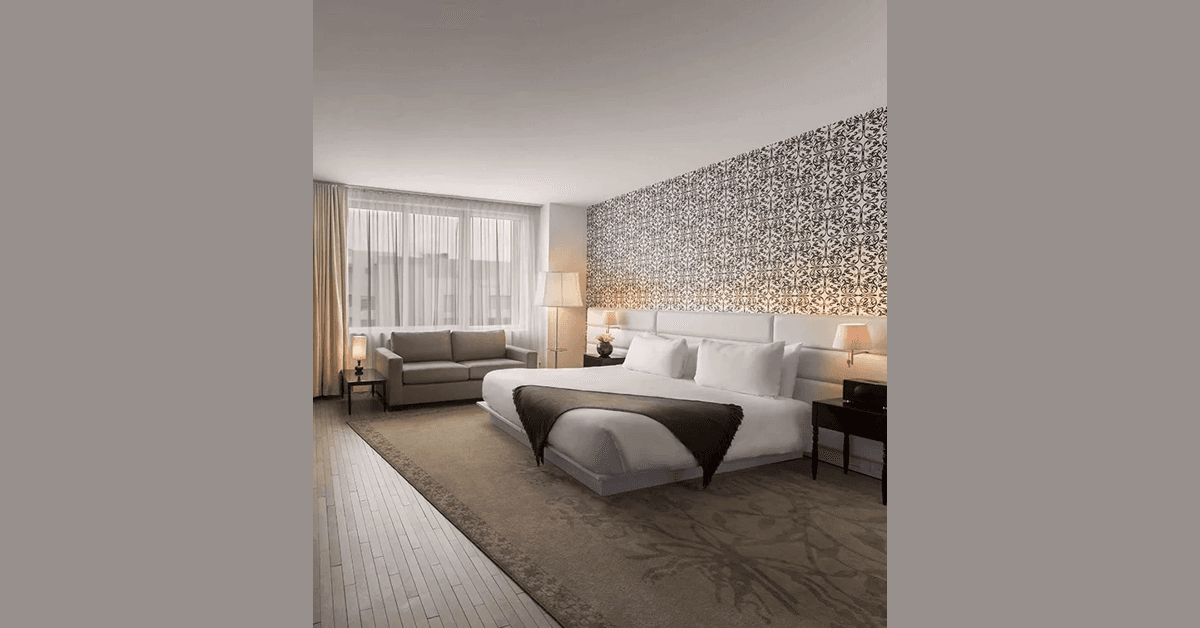
The Mondrian Hotel in South Beach, Florida, has received the "Broken Windows – Hall of Shame Award" from customer service authority Michael Levine, author of 19 books on customer service including the influential Broken Windows, Broken Business. The award recognizes businesses that allow minor operational lapses to escalate into systemic failures that destroy customer trust and safety.
Levine's experience at the Mondrian began positively with a warm welcome and bay-view room, but deteriorated dramatically by Sunday afternoon when the hotel's policy of selling pool party tickets to non-guests transformed the property into what he described as "a spring break – rap party free-for-all." Intoxicated partygoers overran the pool area, creating an environment that staff members privately acknowledged raised serious safety concerns.
The situation escalated when Levine's cruise was canceled, extending his stay. Monday night featured guests cramming six or more people into rooms, with shouting and fighting continuing into early morning hours. Despite repeated security calls, hotel staff informed Levine that such disturbances were "regular occurrences" directly linked to the hotel's pool-party revenue strategy.
Post-stay research confirmed Levine's experience was not isolated. Reviews on TripAdvisor described the hotel as "very noisy, dirty and poorly frequented" with shouting guests at all hours. Agoda noted the pool was "overrun with weekend party scene guests… more club than hotel," while Luxury Link reported marijuana use by the pool from morning to evening without staff intervention.
For business leaders and hospitality executives, the Mondrian case study demonstrates how short-term revenue strategies can fundamentally damage brand integrity and customer trust. Levine criticized the hotel for sacrificing guest dignity and safety for profit, stating the once-elegant brand has become a "sad caricature of reckless profit-seeking." The incident highlights critical operational risks in the luxury hospitality sector, where maintaining brand standards while pursuing ancillary revenue streams requires careful balance and consistent enforcement of safety protocols.
The "Broken Windows" theory, applied to business operations, suggests that small signs of disorder and neglect can create an environment where more serious problems flourish. For technology and business leaders, this case serves as a cautionary tale about the importance of maintaining operational standards and the potential reputational damage when customer welfare is compromised for financial gain.