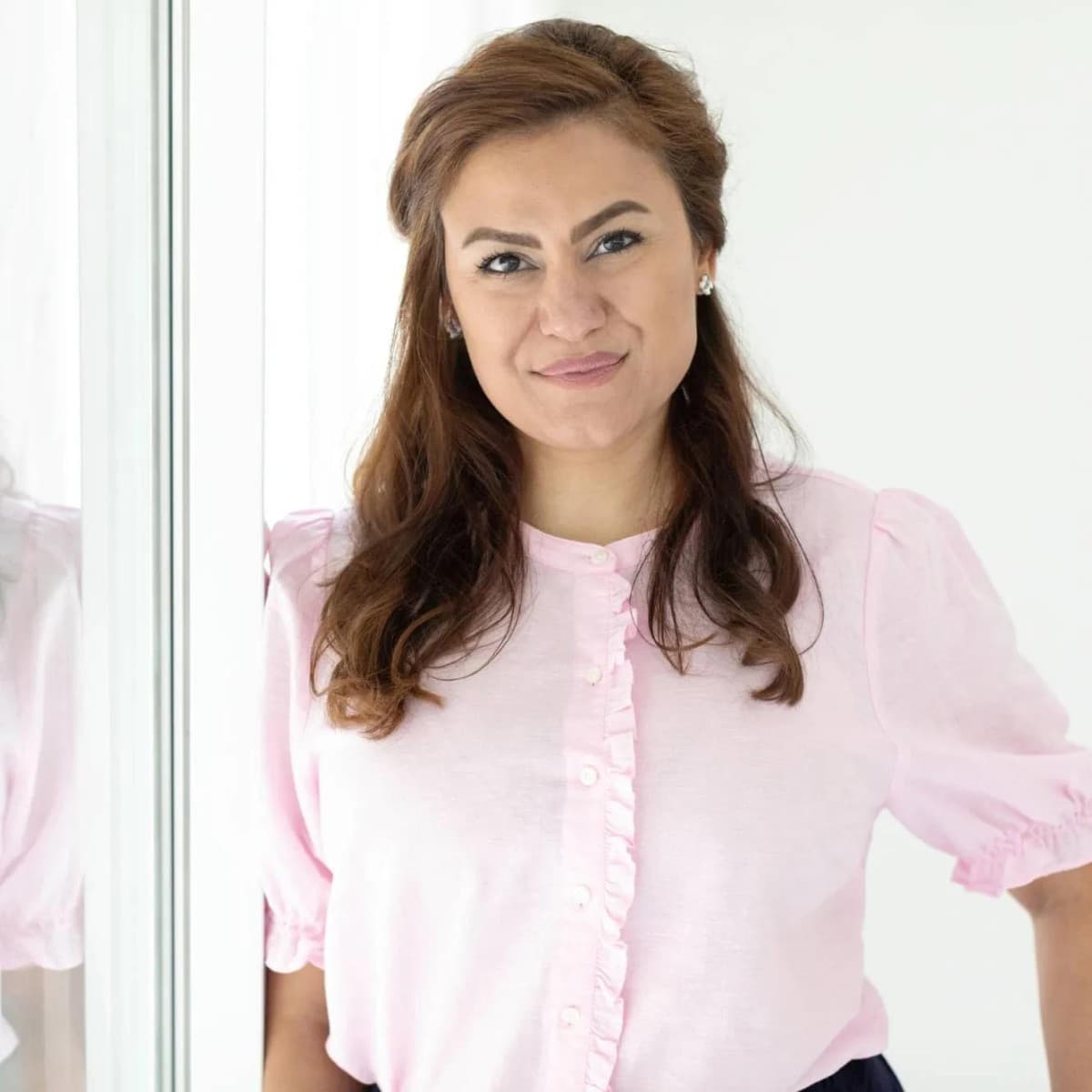
The integration of advanced digital technologies is reshaping orthodontic care delivery, with practices like Artemis Smiles Orthodontics leading the transformation through innovative tools and patient-centered approaches. The implementation of iTero 3D scanning represents a significant technological advancement that eliminates the need for traditional dental impressions while providing precise imaging of patients' teeth and bite alignment. This technology enhances treatment planning accuracy and offers patients clear visual representations of their progress throughout the orthodontic journey.
Beyond in-office technological improvements, the practice has embraced remote care delivery through a user-friendly application available at https://artemisortho.com/. This digital platform enables patients to monitor their treatment progress from home by uploading photographs of their teeth, allowing orthodontic professionals to assess development and make necessary adjustments without requiring frequent office visits. This approach addresses significant accessibility challenges for busy families and individuals who struggle to accommodate regular appointments within their schedules, representing a fundamental shift in how orthodontic services can be delivered efficiently.
The practice maintains comprehensive treatment options including both traditional braces and Invisalign systems, catering to diverse patient preferences and clinical requirements. Traditional braces continue to serve as effective solutions for complex orthodontic cases, while Invisalign provides a discreet alternative through removable clear aligners that appeal particularly to adult and teenage patients. Both treatment methodologies benefit from the practice's technological infrastructure and personalized care philosophy.
Patient education remains central to the practice's operational framework, with clinical staff dedicating substantial time to explaining treatment alternatives, addressing patient inquiries, and providing guidance on maintaining oral health during orthodontic procedures. This commitment to informed decision-making empowers patients to actively participate in their care processes. The practice further enhances accessibility through flexible payment structures and collaboration with multiple insurance providers, ensuring quality orthodontic care remains attainable across diverse socioeconomic groups.
The convergence of cutting-edge technology, patient-focused service delivery, and financial accessibility establishes new benchmarks for orthodontic practice management. This comprehensive approach demonstrates how digital innovation can simultaneously improve clinical outcomes and patient satisfaction, potentially influencing broader adoption of similar technologies across the healthcare industry. The successful integration of these elements suggests a future where medical specialties increasingly leverage digital tools to enhance both treatment efficacy and patient convenience.