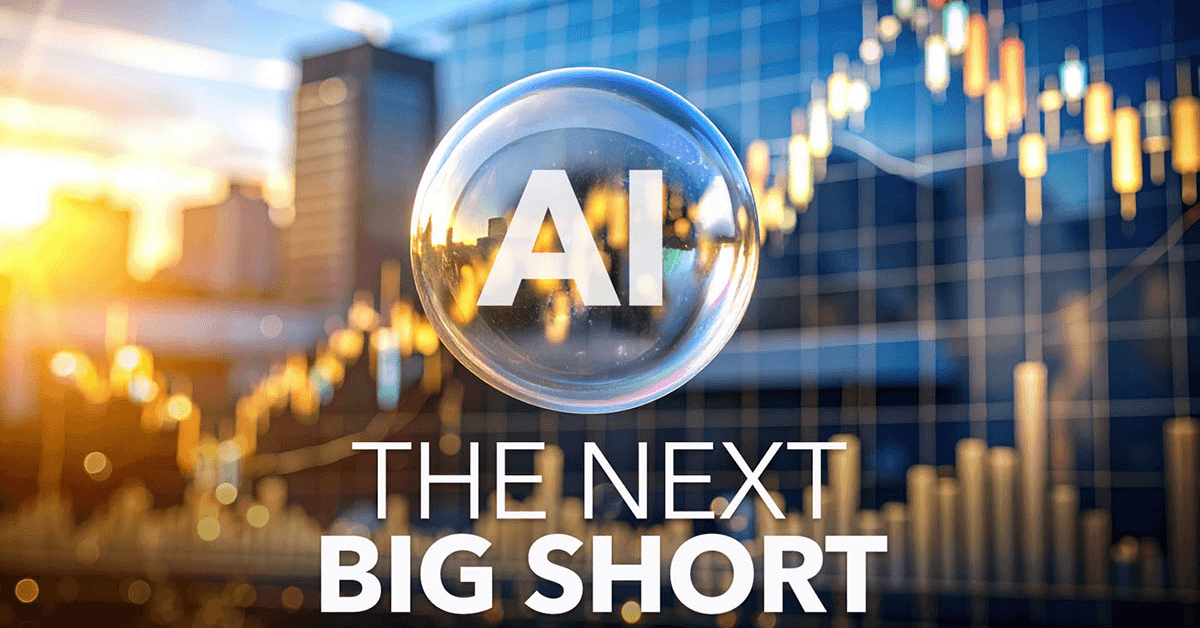
Investor Michael Burry, who famously predicted the 2008 housing collapse, has placed a $1.5 billion bet against AI giants NVIDIA and Palantir, signaling potential bubble conditions in the technology sector that could have significant implications for Australian retirement savings. This substantial short position comes as Australia's $4.3 trillion superannuation system maintains heavy exposure to U.S. equities, with approximately 20% or roughly $800 billion invested in American companies, many of which are the same AI-focused firms now facing Burry's scrutiny.
The risks to Australian investors appear set to deepen following a new bilateral investment agreement announced by Prime Minister Anthony Albanese that could channel over $1 trillion of Australian super funds into U.S. infrastructure and tech investments. This increased exposure comes at a time when geopolitical developments are creating additional headwinds for the AI sector. The U.S. government's ban on AI chip exports to China has disrupted a major revenue stream for NVIDIA, prompting China to retaliate by blocking foreign chips in state-backed projects and supporting domestic competitors like Huawei.
Filip Tortevski, Senior Analyst at Wealth Within, characterized the situation as more than just a trade dispute, calling it an escalating tech war. When global tech stocks decline, Australian super funds holding them face corresponding losses. Flagship investment options like AustralianSuper's International Shares fund, popular among local investors, list Microsoft, Apple, Amazon, Meta, and NVIDIA among their largest holdings, creating concentrated exposure that leaves millions vulnerable if the AI trade unravels.
Tortevski warned that when bubbles burst, they don't decline gradually but snap suddenly, potentially causing Australian super balances to fall sharply and erase years of gains in months. Even NVIDIA CEO Jensen Huang has acknowledged it would be foolish to underestimate China's tech capabilities, suggesting the competitive landscape may be shifting against established U.S. tech leaders. While Michael Burry shorts U.S. tech titans, the real concern may be the blind faith Australians place in a system investing their retirement savings offshore.
If the AI bubble bursts, the consequences could extend beyond Wall Street missteps to become a story about Australian savers bearing the financial impact. The combination of Burry's bearish bet, geopolitical tensions, and Australia's substantial superannuation exposure creates a perfect storm scenario where international market movements could directly affect the retirement security of millions of Australians who may be unaware of their indirect exposure to these high-risk technology investments.