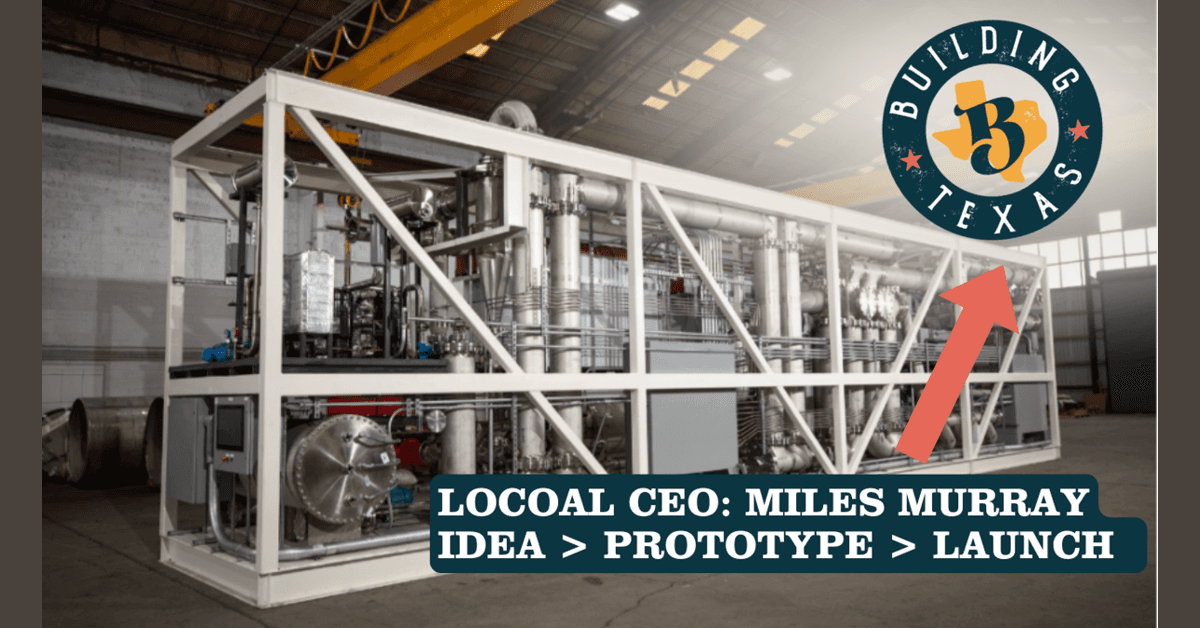
LOCOAL has begun operating its first commercial full-scale waste conversion unit near Houston, marking a significant step in deploying mobile modular bioenergy infrastructure designed to transform waste management. The system, developed by Founder and CEO Miles Murray, processes organic materials and rubber waste into clean energy, high-purity bio-carbon, and industrial inputs, potentially rendering traditional landfills obsolete.
The patented 50-foot unit employs thermal decomposition, gas filtration, and bio-oil reclamation to convert wood waste, pallet tailings, storm debris, forestry byproducts, and tires into usable products, with less than 1% residual ash. Murray emphasized the untapped value in waste streams, stating the technology turns disposal costs into revenue-generating feedstocks by processing materials at their source.
The initial pilot is hosted at 4840 Solutions, the nation's largest pallet recycler, where it eliminates transportation and landfill fees while producing commodities like clean energy, bio-oil, and high-purity carbon. This deployment also addresses wildfire mitigation in Texas, particularly in Central Texas, which faces an 88% higher likelihood of wildfire conditions than national averages, by reducing accumulations of combustible biomass.
High-purity biochar from the process is gaining traction as a critical input in industries including agriculture, concrete and steel manufacturing, filtration, and battery research. LOCOAL's expansion is backed by over $250 million in letters of intent and $50 million in strategic commitments through Curtis Stout Power, alongside a U.S. patent secured through 2044. Murray projected 2026 as a breakout year for transitioning from pilots to full market deployment nationwide, integrating waste into the energy and carbon economy.
For business and technology leaders, LOCOAL's system represents a scalable model for converting environmental liabilities into economic assets, reducing landfill reliance and wildfire risks while creating new supply chains for clean energy and advanced materials. The technology's mobility allows deployment at waste sources, offering industries a way to lower disposal costs and carbon footprints simultaneously. As demand for sustainable industrial inputs grows, such innovations could reshape waste management and energy production, supporting broader decarbonization and circular economy goals.