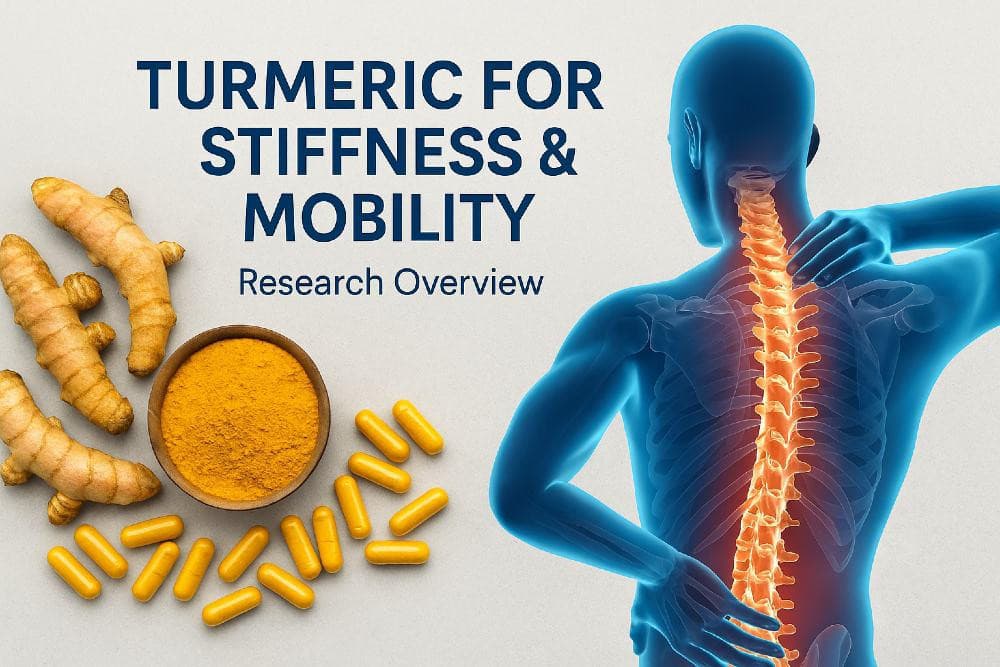
Recent scientific investigations have focused on turmeric and its active compound curcumin for their potential in supporting joint health and mobility. As a common culinary spice with a long history in traditional medicine, turmeric is gaining modern validation for its ability to address everyday stiffness and promote smoother movement through its bioactive properties.
The primary interest centers on curcumin, turmeric's most studied component, which modulates the body's inflammatory responses. While inflammation serves as a natural healing process, chronic inflammation can lead to joint discomfort and stiffness. Research suggests curcumin may inhibit the production of inflammatory markers that contribute to these issues, potentially reducing discomfort during daily activities and making it relevant for individuals experiencing stiffness due to age, physical activity, or other factors.
Beyond its anti-inflammatory effects, turmeric contains antioxidants that protect against oxidative stress, another contributor to joint discomfort. This dual action of reducing inflammation while neutralizing free radicals positions turmeric as a comprehensive natural option for joint health support. The growing body of research has increased interest in turmeric's applications for joint mobility, particularly as individuals seek natural alternatives to traditional pain relief methods.
For business and technology leaders managing demanding schedules and potentially experiencing the effects of prolonged sedentary work or aging, turmeric's potential benefits for stiffness represent a practical wellness consideration. The discomfort associated with joint stiffness can impact productivity and quality of life, making natural support options increasingly relevant in professional contexts where maintaining physical mobility contributes to performance.
The accessibility of turmeric through dietary incorporation—whether added to meals, smoothies, or consumed as supplements—allows for flexible integration into various lifestyles. As scientific understanding of curcumin's interaction with inflammatory pathways advances, this knowledge may lead to more targeted approaches for managing joint discomfort. The ongoing research, detailed in sources like Me First Living's health journal, underscores turmeric's evolving role in wellness discussions.
From an industry perspective, the growing validation of turmeric's benefits reflects broader trends toward evidence-based natural solutions in health and wellness markets. As research continues to explore how natural compounds like curcumin contribute to well-being, turmeric remains at the forefront of holistic approaches to joint comfort and mobility, offering implications for both personal health management and the expanding market for scientifically-backed wellness products.