The Building Texas Show recently featured Mayor Dylan Hedrick of Garland, Texas, highlighting his approach to leading a city facing unique growth challenges as it approaches full build-out. Hedrick, who assumed office in June 2025 after a competitive runoff, brings a civil engineering background and six years of city council experience to guide Garland's future development.
With limited space for horizontal expansion, Mayor Hedrick emphasizes innovation, redevelopment, and vertical growth as essential strategies. His technical expertise directly informs the city's infrastructure and economic development planning. This approach is critical for a community of moderate means that has historically had to maximize limited resources.
Garland voters have demonstrated strong support for this vision by approving significant bond packages. Following a previous $427 million package, residents recently approved a $360 million bond program for infrastructure, economic development, and quality-of-life projects. "Our voters said yes to growth," Hedrick explained, noting these investments allow Garland to reposition itself for the next generation of opportunity.
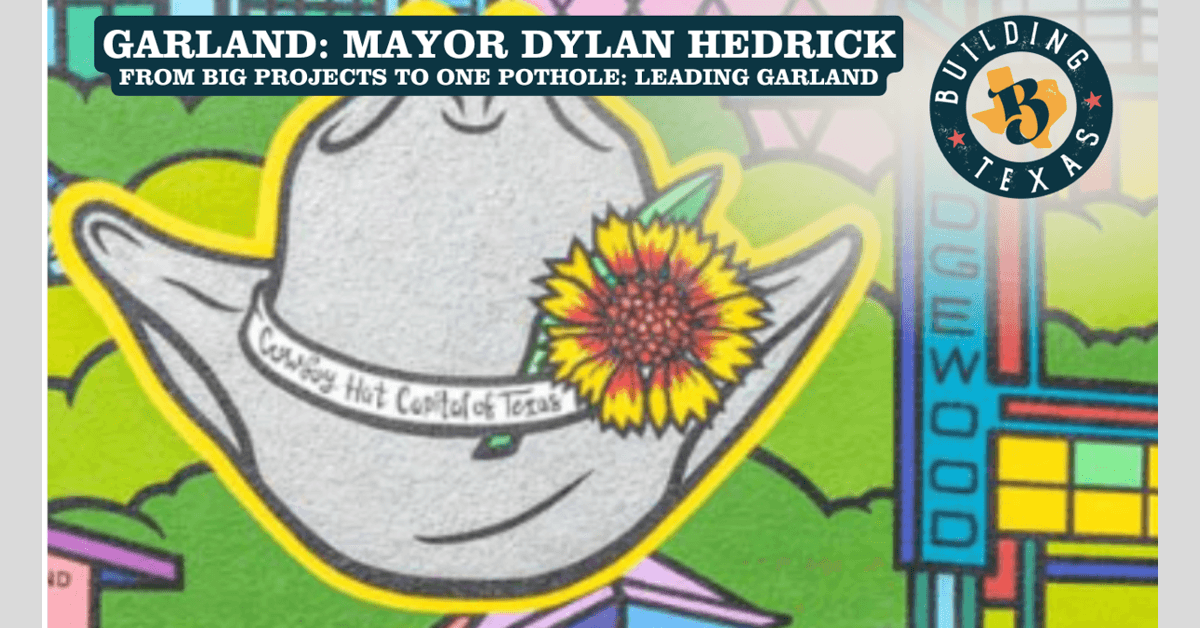
The city's economic identity remains deeply connected to manufacturing, with a particular distinction as the Cowboy Hat Capital of Texas. Three legacy manufacturers in Garland produce over one million hats annually, representing just one segment of a diverse manufacturing base that includes food processing and specialty goods.
Strategic redevelopment efforts are focusing on major corridors like I-635 and Shiloh Road, where state reconstruction projects create new access opportunities. The city has secured more than 60 acres through strategic land purchases to create shovel-ready development sites that help close financial gaps for developers while elevating the municipal tax base.
One notable challenge Mayor Hedrick aims to address is Garland's status as the largest U.S. city without a private hospital. Through careful land planning and economic incentives, the administration hopes to attract healthcare investment to fill this critical gap in community infrastructure.
Beyond policy and development, Mayor Hedrick prioritizes direct communication with residents. He maintains "Meet the Mayor Mondays" listening sessions and hosts the Fifth & State podcast with city leadership to provide residents with transparent insights into municipal operations. This commitment to dialogue complements his campaign approach of personally engaging thousands of voters.
As Garland updates its 25-year comprehensive plan, Mayor Hedrick's message to potential partners is unequivocal: "Garland is open for business. We want to work with innovators, employers, and developers who see the opportunity here. The magic we've created downtown can happen across the city." This combination of technical planning, voter-supported investment, and manufacturing heritage positions Garland for a distinctive path among North Texas communities navigating rapid regional growth.