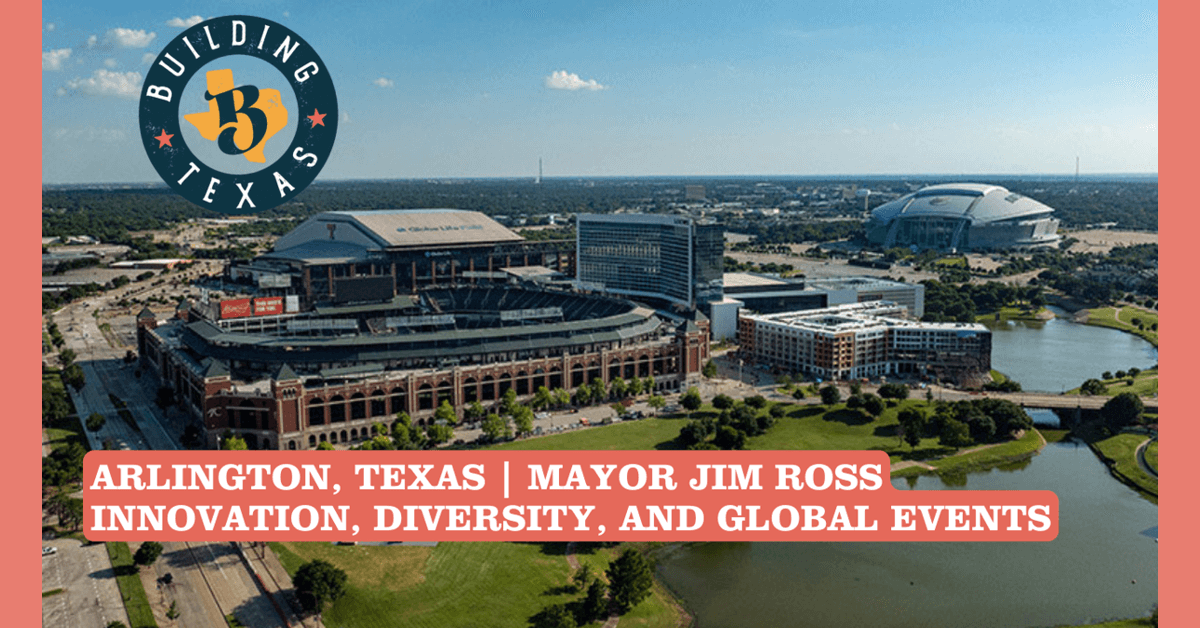
Arlington Mayor Jim Ross detailed the city's strategic approach to economic development and innovation during an interview on The Building Texas Show. While Arlington maintains global recognition for hosting major events at venues like AT&T Stadium and Globe Life Field, Ross emphasized that the city's foundation rests on its people, inclusive culture, and long-term commitment to forward-looking industries.
The mayor highlighted Arlington's growing role in advanced sectors, particularly aerospace and satellite manufacturing, where partnerships with industry firms are creating high-value employment opportunities. This industrial development aligns with efforts to retain engineering talent from the University of Texas at Arlington, ensuring that graduates contribute to the local economy rather than seeking opportunities elsewhere.
Arlington's distinction as one of Texas' most diverse cities represents both a social strength and economic advantage, according to Ross. The city's ability to host global events, including upcoming FIFA World Cup matches, demonstrates its infrastructure capacity and operational expertise in managing large-scale gatherings. "Arlington was built to host the world," Ross noted, referencing the city's track record of safely welcoming hundreds of thousands of visitors while maintaining community investments.
Redevelopment projects like Anthem in North Arlington illustrate the city's commitment to balanced growth that combines private-sector investment with public stewardship. These initiatives reflect a broader strategy of positioning Arlington as a destination for both opportunity and inclusion, attracting businesses while ensuring community benefits.
Mayor Ross explained his motivation for public service, noting that many Texas mayors serve as unpaid civic leaders driven by community commitment rather than financial reward. This leadership approach emphasizes long-term vision over short-term political gains, allowing for consistent strategic planning across multiple sectors.
The city's focus extends beyond traditional economic metrics to encompass workforce development and higher education partnerships. By aligning educational outcomes with industry needs, Arlington aims to create a sustainable talent pipeline that supports both established corporations and emerging startups. This comprehensive approach addresses immediate employment needs while building foundational capacity for future innovation.
For business and technology leaders, Arlington's development model offers insights into how cities can leverage existing assets while diversifying their economic base. The integration of global event hosting with advanced manufacturing and educational partnerships creates multiple growth vectors that can withstand sector-specific downturns. Viewers can watch the full interview at https://youtu.be/4wIAxWshEvQ to understand the complete strategic vision.
Arlington's transformation from an event-focused destination to a multifaceted economic center demonstrates how municipal leadership can balance visibility with substantive development. The city's approach combines infrastructure investment with human capital development, creating an ecosystem where businesses can access talent while communities benefit from economic expansion. This model has implications for other cities seeking to enhance their competitive positioning in technology and advanced manufacturing sectors.