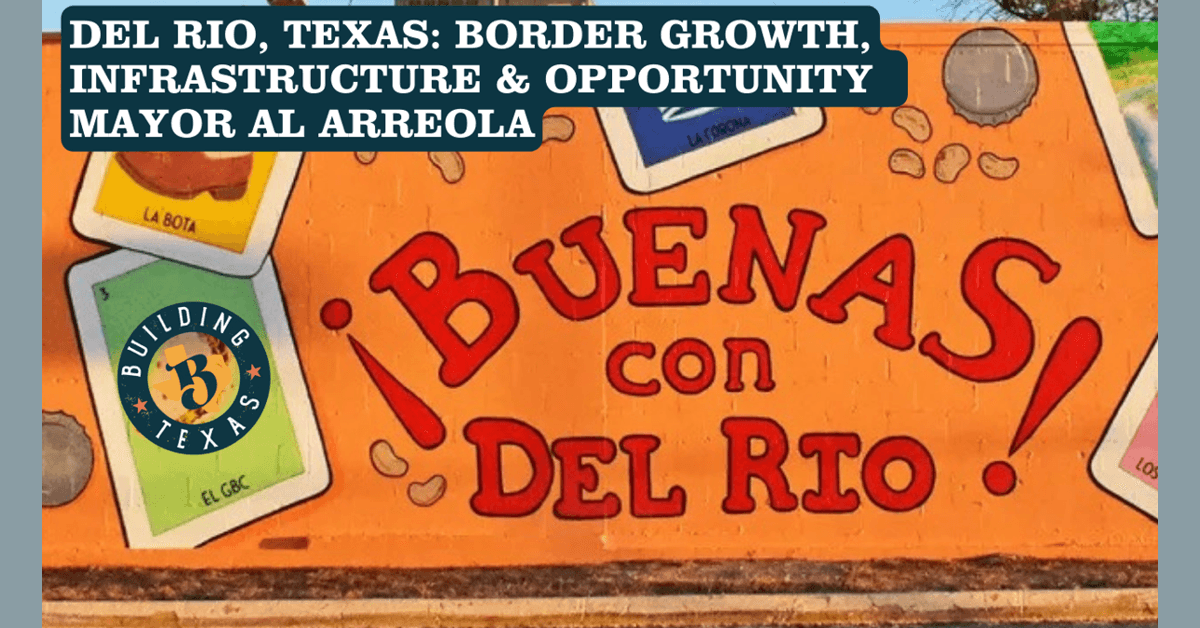
In a recent episode of The Building Texas Show, Del Rio Mayor Al Arreola detailed the city's strategic approach to economic development, emphasizing infrastructure investment and regional border cooperation as key drivers for future growth. The conversation focused on moving beyond national border discussions to concentrate on practical measures supporting long-term stability and expansion.
A cornerstone of Del Rio's economic stability is Laughlin Air Force Base, which anchors the local economy and attracts skilled professionals who often choose to remain in the community. Mayor Arreola noted that population stability, inbound relocation from across the country, and strong coordination with state and federal partners are creating renewed confidence in the city's future prospects.
Infrastructure emerged as the defining priority for the coming years. The city is focused on ensuring water, wastewater, and transportation systems can support future industry, residents, and trade. A proposed second international bridge represents a significant long-term investment in mobility, supply chains, and economic resilience, though the project remains controversial among some stakeholders.
Regional cooperation with neighboring border cities forms another critical component of Del Rio's strategy. Rather than competing, Del Rio is aligning with Ciudad Acuña, Eagle Pass, and Piedras Negras around shared goals including economic growth, secure ports of entry, and efficient cross-border commerce. Mayor Arreola emphasized that impacts on one city ultimately affect the entire region, making collaboration essential for collective prosperity.
Tourism and outdoor recreation continue to support the local economy, with Lake Amistad drawing anglers, hunters, and visitors from across Texas. These activities sustain events, hospitality businesses, and seasonal tourism even amid fluctuating water levels, providing consistent economic activity alongside more permanent industries.
Throughout the discussion, Mayor Arreola returned to Del Rio's identity as a welcoming, relationship-driven community. He described how cross-border families, military households, entrepreneurs, and visitors contribute to a culture of hospitality that serves as one of the city's strongest assets for retention and growth. This emphasis on community and belonging complements the more tangible infrastructure and economic initiatives, creating a comprehensive approach to development.
The episode provided a grounded perspective on how Del Rio is positioning itself for the next decade, focusing on practical measures rather than rhetoric. By prioritizing infrastructure capacity, regional cooperation, and community assets, the city aims to build sustainable economic momentum that benefits residents and businesses alike while navigating the unique opportunities and challenges of a modern Texas border community.