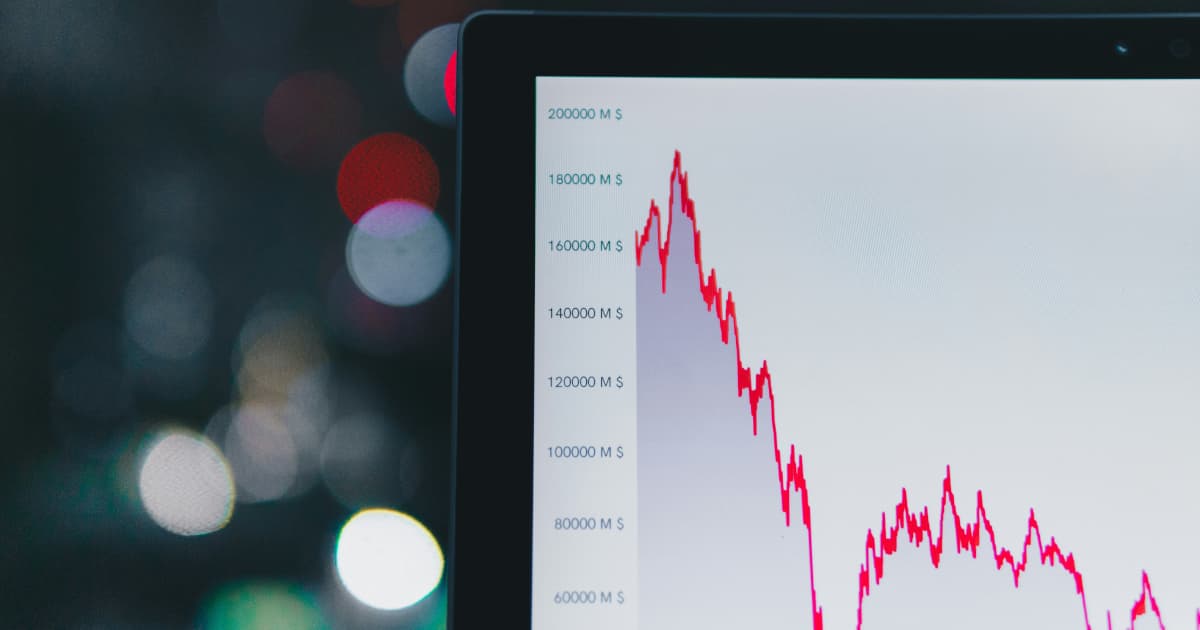
Silver concluded the previous year as the top-performing asset following a more than 20% increase in December, yet market analysts emphasize that this rally represents a departure from historical speculative patterns. Unlike past episodes such as the quantitative-easing rally of 2011 or the Hunt brothers-driven surge in the 1980s, the current price movement is not expected to reverse sharply once leverage is unwound, due to a fundamental shift in supply availability.
This changing market dynamic suggests that silver's valuation may be entering a new phase, supported by structural factors rather than temporary speculation. In previous cycles, prices retreated when leveraged positions were closed because sufficient physical supply was available to meet demand. Analysts indicate that this condition does not hold in the current market environment, potentially leading to more sustained price levels.
The evolving landscape is likely to be closely monitored by mining companies operating in the precious metals sector. Entities such as Platinum Group Metals Ltd. (NYSE American: PLG) (TSX: PTM), which extract precious metals including those from the platinum group, may need to reassess production strategies and market positioning in response to these shifts. The analysis of silver's performance could influence investment decisions and operational planning across the mining industry.
For business leaders and technology professionals tracking commodity markets, the divergence from historical patterns signals deeper changes in global supply chains and investment flows. The precious metals market often serves as an indicator of broader economic sentiment, and silver's unique position as both an industrial and monetary metal makes its price behavior particularly significant. The inability to rely on historical analogies for price prediction creates both challenges and opportunities for portfolio managers and corporate strategists.
The implications extend beyond immediate trading considerations to long-term resource allocation and technological development. As industries from electronics to renewable energy continue to demand silver for its conductive and reflective properties, sustained price changes could affect manufacturing costs and innovation timelines. This development warrants attention from executives across multiple sectors who must navigate evolving input costs and supply chain dynamics in an increasingly interconnected global economy.