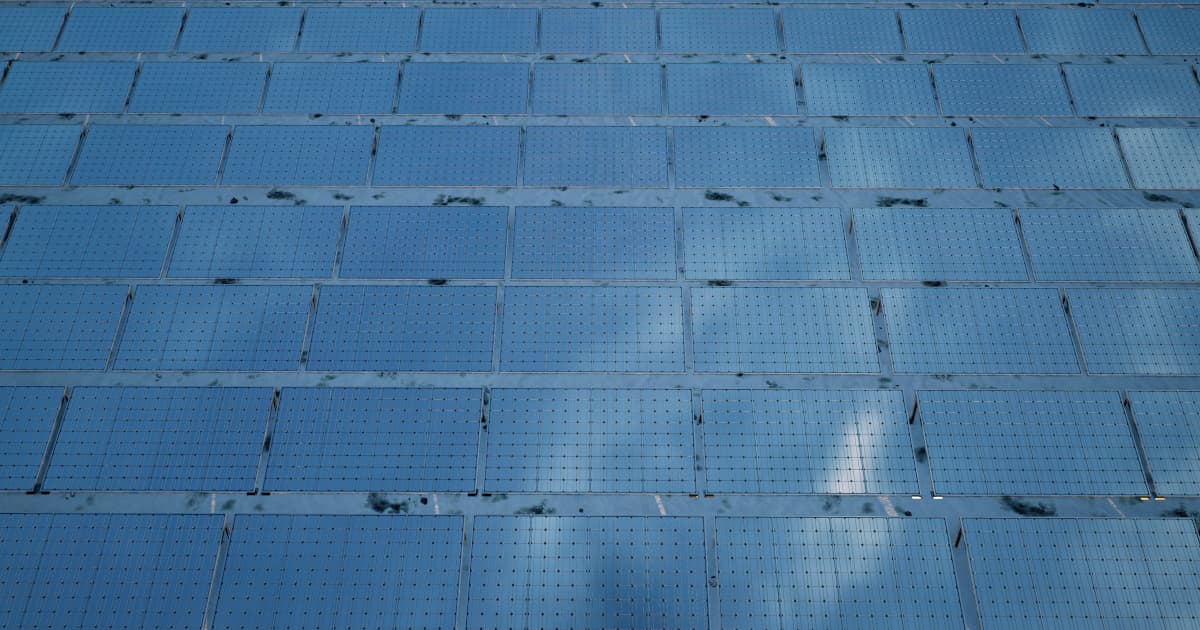
The International Renewable Energy Agency (IRENA) has issued a call for stronger and more coordinated efforts to expand equitable access to off-grid renewable energy. The agency warns that recent global progress in deployment is failing to reach many of the communities that need it most. While deployment has accelerated, IRENA says gaps remain particularly stark in remote and low-income regions where off-grid systems are often the only viable option for electricity access.
This announcement underscores a critical challenge in the global energy transition. For business and technology leaders, the implications are significant. The persistent inequity in energy access represents both a humanitarian issue and a substantial market failure. Regions lacking reliable electricity face constrained economic development, limited educational opportunities, and reduced healthcare outcomes. From a business perspective, these underserved communities represent untapped markets for innovative energy solutions.
The call to action suggests opportunities for companies and entrepreneurs in the renewable energy and technology sectors. IRENA's statement implies that existing project models have demonstrated economic viability, creating a pathway for scalable solutions. Companies like GeoSolar Technologies Inc. are cited as examples of sector players that could develop custom solutions addressing the specific needs of these communities. The focus on "equitable access" suggests that future success may depend on business models that prioritize affordability, local capacity building, and sustainable maintenance frameworks alongside technological deployment.
For the technology industry, particularly those involved in AI and smart systems, this presents an intersection of challenge and opportunity. Off-grid renewable systems increasingly incorporate smart monitoring, predictive maintenance, and efficient energy management—areas where AI can play a transformative role. Developing robust, low-cost technological solutions for harsh, remote environments could drive innovation in hardware durability, software efficiency, and data analytics for resource-constrained settings.
The broader implication for industry leaders is the need to align technological advancement with equitable distribution. As the renewable energy sector grows, ensuring its benefits reach the most vulnerable populations will be crucial for achieving global sustainability goals and fostering inclusive economic growth. IRENA's warning serves as a reminder that technological progress must be matched by deliberate strategies for accessibility and fairness. More information about the communications platform covering this sector can be found at https://www.GreenEnergyStocks.com.