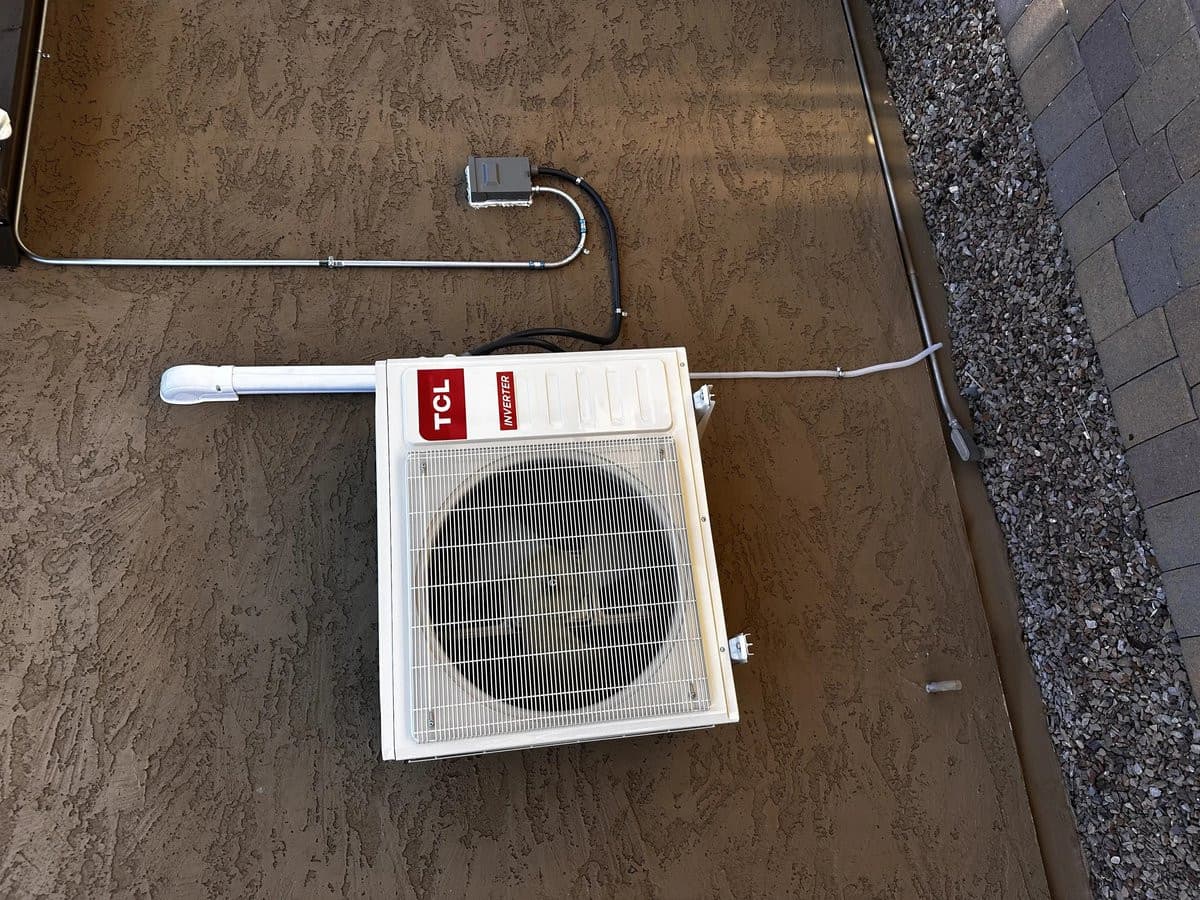
Desert Comfort Arizona has announced the expansion of its affordable mini split installation services in Surprise, Arizona, focusing on ductless systems for homes and garages. With Arizona's rising temperatures making reliable cooling essential, the company provides tailored solutions that eliminate the need for extensive ductwork, offering homeowners flexibility in temperature control for different rooms.
The company specializes in garage mini split installation, a service that transforms hot, underutilized spaces into comfortable areas for workshops, gyms, or storage year-round. Desert Comfort Arizona's process begins with a consultation to assess specific needs and space layout, followed by professional installation by skilled technicians. This approach ensures optimal system performance for various applications, including home offices and guest rooms.
Energy efficiency is a central concern, particularly in regions like Surprise where cooling costs can be substantial. Ductless mini split systems are designed to reduce energy consumption, helping homeowners lower utility bills. Desert Comfort Arizona emphasizes selecting the right system to maximize these savings, guiding clients through available options to find cost-effective solutions that meet their cooling requirements without financial strain.
The company prioritizes customer satisfaction through clear communication, ongoing support, and maintenance guidance to ensure system longevity. By offering competitive pricing, Desert Comfort Arizona aims to make energy-efficient cooling accessible to more homeowners. Additional information about their services is available at https://azminisplitinstall.com.
For business and technology leaders, this development highlights the growing market for localized, efficient HVAC solutions that address specific environmental challenges. The adoption of ductless mini split systems represents a shift toward modular, energy-saving technologies in residential infrastructure, potentially influencing broader trends in sustainable home cooling and regional energy consumption patterns.