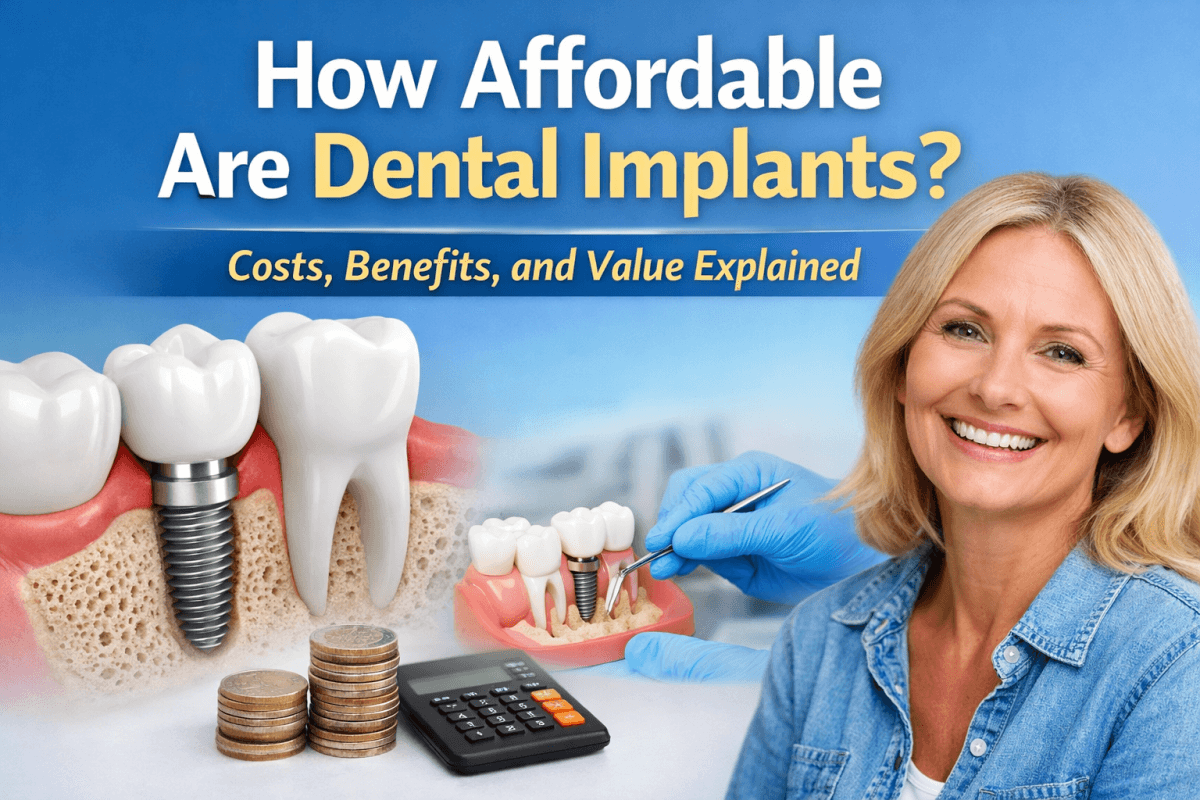
Dental implants represent a significant investment for many patients, often perceived as a luxury due to their substantial upfront costs. The procedure involves multiple components including advanced imaging, surgical placement, high-quality materials, and skilled dental expertise across several appointments. Unlike dentures that may slip or bridges that depend on adjacent teeth, implants function independently and can last for decades with proper care, offering long-term value despite higher initial expenses.
Several factors influence the cost of dental implants, with location playing a crucial role. Clinics in metropolitan or affluent areas typically charge more due to higher overhead, while suburban or smaller-town practices may provide comparable quality at reduced rates. The dentist's experience also affects pricing, as more seasoned professionals often command higher fees but may reduce complication risks. Material selection presents another consideration: titanium implants remain the most common and generally more affordable option, whereas zirconia implants serve as a metal-free alternative at premium prices.
Patients seeking affordability can employ several strategies to manage costs effectively. Comparing multiple dental clinics and obtaining at least three consultations helps identify competitive pricing, with requests for all-inclusive quotes preventing unexpected expenses. Dental schools frequently offer significantly reduced rates for implant procedures performed by advanced students under expert supervision, though treatment timelines may extend longer. Many clinics provide payment plans through in-house financing or third-party lenders, transforming substantial expenses into manageable monthly payments.
Dental tourism presents another option for cost-conscious patients, offering access to modern clinics abroad at reduced prices. However, this approach requires careful consideration of travel expenses, follow-up care challenges, and potential variations in medical standards. While most dental insurance plans do not fully cover implants, they may partially fund related components like tooth extractions, crowns, or X-rays, reducing overall financial burden. Alternative financing through health savings accounts, flexible spending accounts, or medical credit programs can further alleviate costs.
For patients with severe budget constraints or significant bone loss, alternatives like modern dentures or dental bridges offer more affordable short-term solutions, though they typically require replacement every 5-10 years and may involve additional dental work. Regardless of the chosen path, patients should remain vigilant about hidden costs by clarifying whether consultations, scans, bone grafts, follow-ups, medications, and adjustments are included in quoted prices. Quality should never be compromised for affordability, as poorly executed implants may ultimately require costly corrections. Verifying dentist credentials, reviewing success rates, examining before-and-after photos, and reading verified reviews helps ensure patients receive competent care that balances cost considerations with long-term oral health outcomes.