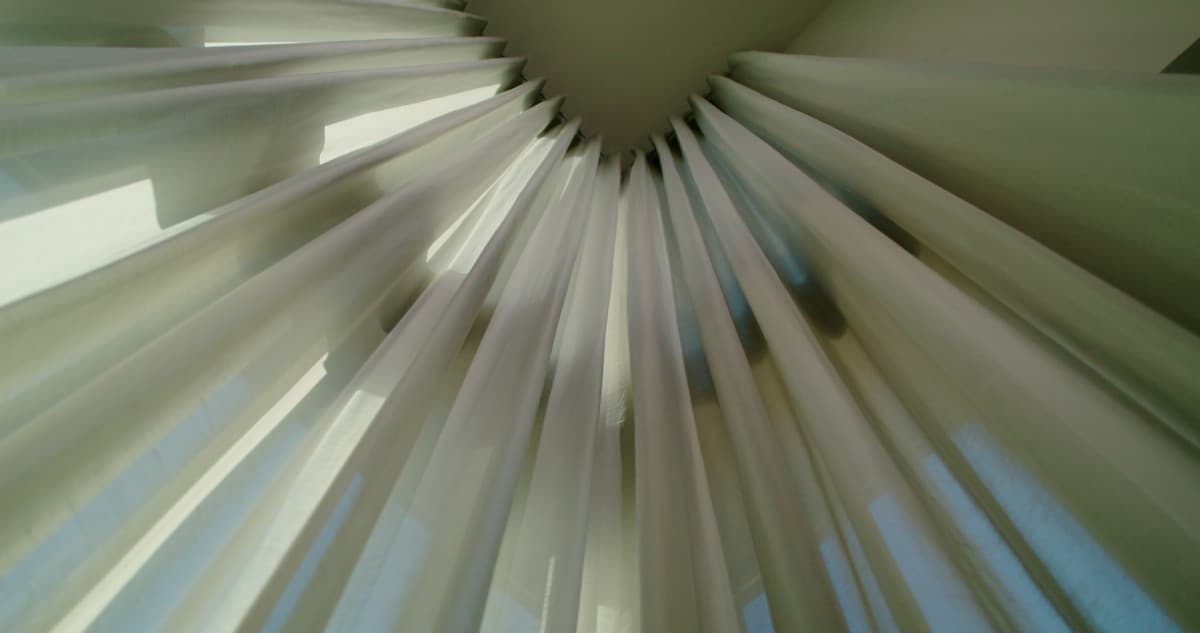
Homeowners planning custom-built residences frequently overlook window treatments until construction concludes, a delay that can result in significant financial and design setbacks. According to Adrette Window Coverings, considering curtains, drapes, shades, and blinds as decorative afterthoughts ignores their functional complexity and integration requirements with a home's core infrastructure.
Modern window treatments often involve substantial weight requiring reinforced framing, automated motors needing precise electrical wiring, and coordination with ductwork and architectural features. Post-construction planning typically reveals that the home's infrastructure is unprepared, forcing expensive retrofits or design compromises. A detailed case study available at https://www.adrette.com/blog/how-to-conquer-the-challenges-of-designing-window-treatments-for-a-custom-built-home illustrates these challenges and the value of early collaboration.
In the featured project, early involvement during the blueprint stage allowed designers to anticipate issues like ductwork conflicts with planned 18-foot drapery installations. Site visits during framing enabled proactive solutions before drywall installation, preserving both budget and design vision. This approach ensured structural reinforcement for large-scale drapery, proper wiring for motorized shades, and coordination with architectural elements.
The phased design process proved crucial when furniture selections altered room layouts, requiring window treatment adjustments. Material testing also revealed performance issues, such as fabric creasing, which were addressed before full fabrication. The result was a cohesive design where solar screen shades, Ripplefold sheers, and other treatments unified eclectic interior elements while maintaining functionality.
For business and technology leaders, this underscores a broader principle in construction and design: integrating specialized systems early prevents downstream inefficiencies. As homes incorporate more automation and energy-efficient features, window treatments become critical components affecting privacy, automation, and visual harmony. Delayed planning often leads to limited design options, missed automation opportunities, visible compromises, and increased costs.
Early planning transforms window treatments from decorative accents into integrated systems that enhance architectural intent. This strategic approach ensures all elements work seamlessly together, protecting the homeowner's investment and vision. The case for blueprint-stage collaboration is compelling for anyone involved in custom home development, where coordination between structural, electrical, and design disciplines determines project success.