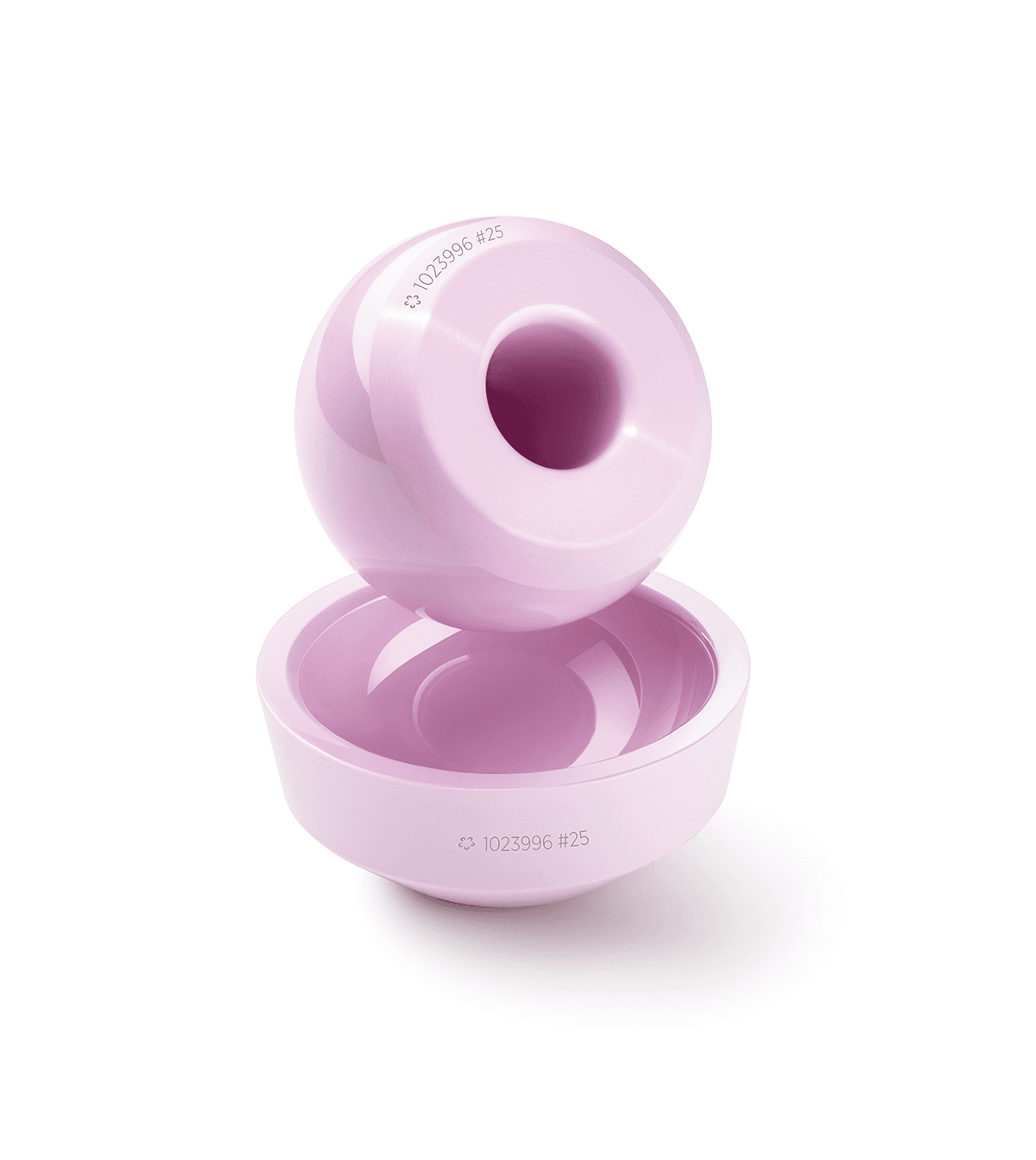
The French Supreme Court has ruled in favor of CoorsTek Bioceramics in a trademark dispute with CeramTec GmbH, further establishing the company's right to market and sell its pink ceramic hip components in the European Union. This legal victory follows the recent decision by the U.S. Supreme Court to decline review in a similar action, effectively ending CeramTec's efforts to claim trademark rights to the color pink for ceramic hip components in the United States. The combined outcomes in these two major markets represent a significant shift in the competitive landscape for orthopaedic implant components.
The French court upheld the cancellation of three CeramTec trademarks by the Paris court of appeal, finding that CeramTec had filed for trademark of its pink components in bad faith. The court determined that at the time of the trademark filing, CeramTec knew the pink color was not simply a brand indicator. This ruling removes a substantial barrier to market entry for CoorsTek's Permallon® orthopaedic hip components in Europe, potentially allowing for increased competition and innovation in the medical device sector.
For business leaders and technology executives monitoring the medical device industry, this decision has several important implications. First, it demonstrates how intellectual property strategies, particularly around color trademarks, can significantly impact market access and competition. The ruling suggests that courts are scrutinizing trademark claims more carefully, especially when they might restrict competition in specialized technical fields. Second, the decision could accelerate innovation in orthopaedic implants by allowing multiple manufacturers to utilize pink ceramic components without legal restrictions.
The medical device industry, particularly the orthopaedic segment, relies heavily on material innovation to improve patient outcomes. Ceramic components offer advantages in joint replacement surgeries, including reduced wear and improved longevity compared to traditional materials. With over six million CoorsTek Bioceramics components sold and distributed for clinical use since 2005, according to company information available at https://www.coorstek.com, the expanded market access could benefit healthcare systems and patients through increased competition and potentially lower costs.
From a global business perspective, the simultaneous resolution of trademark disputes in both the United States and European Union creates a more predictable regulatory environment for medical device manufacturers. Companies investing in material science innovations can now develop products with greater confidence that color-based trademark claims won't create unexpected market barriers. This could encourage increased research and development investment in advanced biomaterials, potentially leading to better patient outcomes and more efficient healthcare delivery systems worldwide.
The ruling also highlights the importance of legal strategy in global market expansion. CoorsTek's successful navigation of complex intellectual property challenges in multiple jurisdictions demonstrates how medical technology companies must approach international markets with comprehensive legal preparedness. As the medical device industry continues to globalize, similar trademark and intellectual property disputes may become more common, making this case an important precedent for companies operating in highly technical, regulated industries.