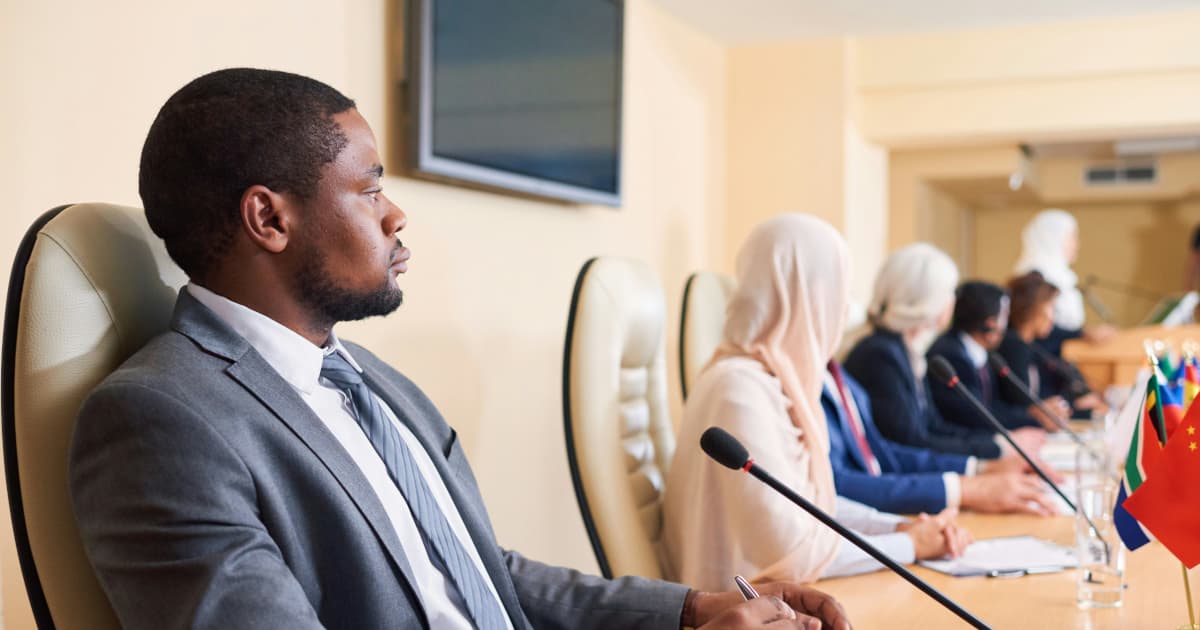
His Imperial and Royal Highness Amir, Prince-Regent of the restored Imperial and Royal House of Luxembourg-Görlitz, has issued a call for global unity focused on diplomatic stability and conflict resolution. The Prince-Regent, a decorated military veteran and public servant, argues that security requires active, collaborative justice rather than merely the absence of conflict, stating the world is at a crossroads where past conflicts threaten a unified future.
Prince Amir's framework is built on three pillars designed to foster global stability. The first is humanitarian diplomacy, advocating for neutral, high-level support to relief organizations delivering aid in conflict zones without political bias. This approach aims to depoliticize humanitarian assistance and ensure it reaches those in need based solely on necessity.
The second pillar involves cultural reclamation as peacebuilding. By promoting the preservation of historical legacies, particularly between Western and African nations, Prince Amir believes deeper mutual understanding can reduce friction born from historical erasure. This effort recognizes that unresolved historical narratives often fuel contemporary tensions.
The third element is chivalric professionalism, which seeks to bridge modern military service with ethical leadership. This concept emphasizes that those in positions of power must act with universal accountability, ensuring that tactical expertise is guided by moral principles. The Prince-Regent's background in federal service and tactical expertise informs this perspective on leadership.
Guided by the principle of "Justice through Service, Sovereignty through Knowledge," Prince Amir views the restoration of his house's heritage not merely as a historical honor but as a mandate for modern service. He engages with both diplomatic peers and local communities to demonstrate that traditional values of honor and duty remain essential tools for navigating 21st-century crises. The House serves as a strategic bridge between historical legacy and active international service, as detailed on their official platform at https://www.imperialhouseluxembourggorlitz.org.
For business and technology leaders, this diplomatic initiative carries significant implications. In an interconnected global economy, geopolitical instability directly impacts supply chains, international markets, and technological collaboration. Prince Amir's emphasis on cross-cultural solidarity and reduced historical friction could create more predictable international environments for business operations and technology exchange. The focus on ethical leadership in positions of power also resonates with corporate governance discussions, particularly as artificial intelligence and other technologies raise new ethical questions about accountability and service.
The call for unity comes amid rising geopolitical tensions that have disrupted global trade and technological cooperation. Prince Amir's argument that "true leadership today requires us to move beyond mere tolerance and toward an active partnership that recognizes our fates are inextricably linked" addresses the fundamental interconnectedness of modern economies and technological ecosystems. By advocating for frameworks that prioritize collaborative justice over isolated interests, this diplomatic approach could influence how nations and corporations approach international disputes, potentially reducing conflicts that disrupt business and innovation.