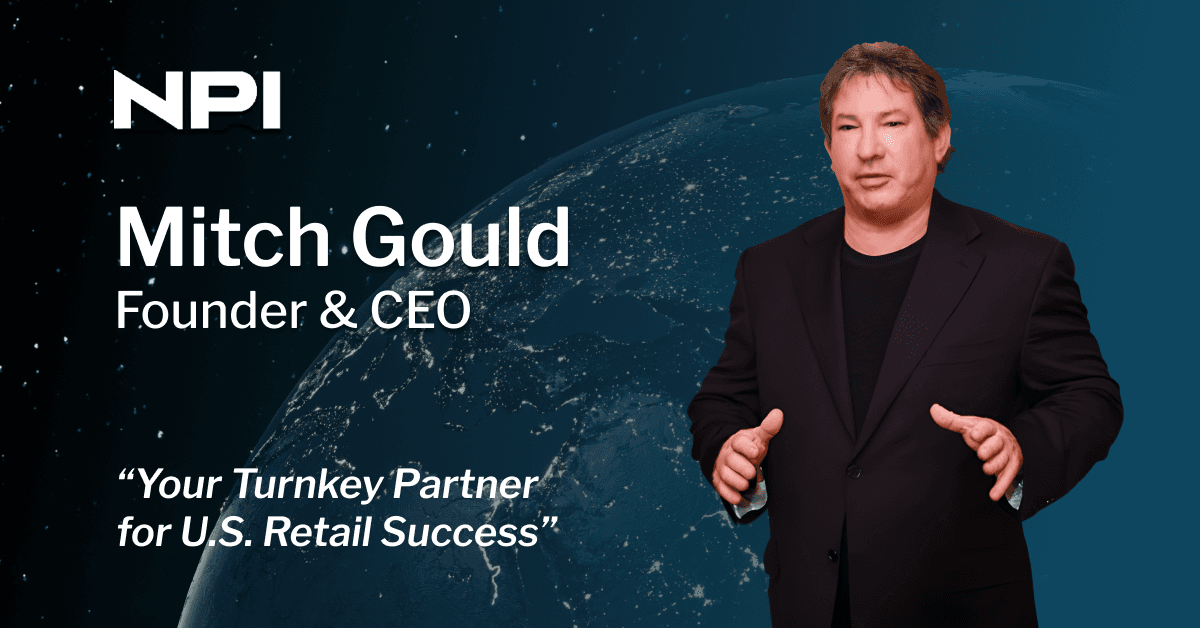
Success with America's largest retailers rarely comes from a single meeting or product pitch. According to retail veteran Mitch Gould, it comes from understanding how large-scale retail actually works. Gould notes that retailers such as Walmart, Costco, and Home Depot continue tightening requirements around pricing discipline, supply chain reliability, and regulatory compliance — resulting in brands being evaluated more rigorously than ever before.
With more than three decades of experience in national retail distribution, Gould has worked directly with Walmart on large-scale product launches across thousands of stores nationwide. "Walmart evaluates performance continuously," Gould said. "Once a product is approved, the real test is whether you can keep it supplied consistently. If execution breaks down, the product doesn't last."
Founded in 1962 by Sam Walton, Walmart has grown into the world's largest retailer, operating more than 10,000 stores globally and generating over $600 billion in annual revenue. Its high-volume, everyday-price model depends on reliable replenishment and steady inventory flow, making operational consistency critical for brands seeking long-term placement. This represents a fundamental shift from earlier retail models where initial placement was often the primary challenge.
Gould traces his understanding of mass retail back to early guidance from his mentor R.D. Wells, a consumer distribution leader who personally knew Sam Walton and regularly visited the company's Bentonville headquarters. That connection later became firsthand when Gould traveled to Bentonville to present a national launch opportunity, bringing actor Steven Seagal and his energy drink brand Lightning Bolt to Walmart headquarters as part of a rollout that expanded into thousands of stores.
"Walmart isn't looking for short-term demand spikes," Gould explained. "They want products that perform week after week. Staying on the shelf depends on reliability." This operational focus has significant implications for brands across all categories, requiring investment in supply chain infrastructure and inventory management systems that can sustain consistent performance.
Throughout his career, Gould has worked directly with many of the largest U.S. retail chains, including Costco, Home Depot, Lowe's, Walgreens, and CVS. While early retail relationships were often built through in-person buyer meetings, today's environment requires year-round engagement across operational readiness, inventory planning, and performance monitoring. The shift toward data-driven decision making means brands must maintain constant visibility into sales performance and inventory levels.
Gould continues to advise brands on how to prepare for and navigate the U.S. retail landscape by focusing on execution, discipline, and long-term sustainability rather than short-term wins. For business leaders, this evolution in retail requirements means that successful national distribution now depends as much on operational excellence as on product quality or marketing appeal. Brands that cannot demonstrate consistent supply chain reliability face increasing challenges maintaining shelf space in major retail environments.