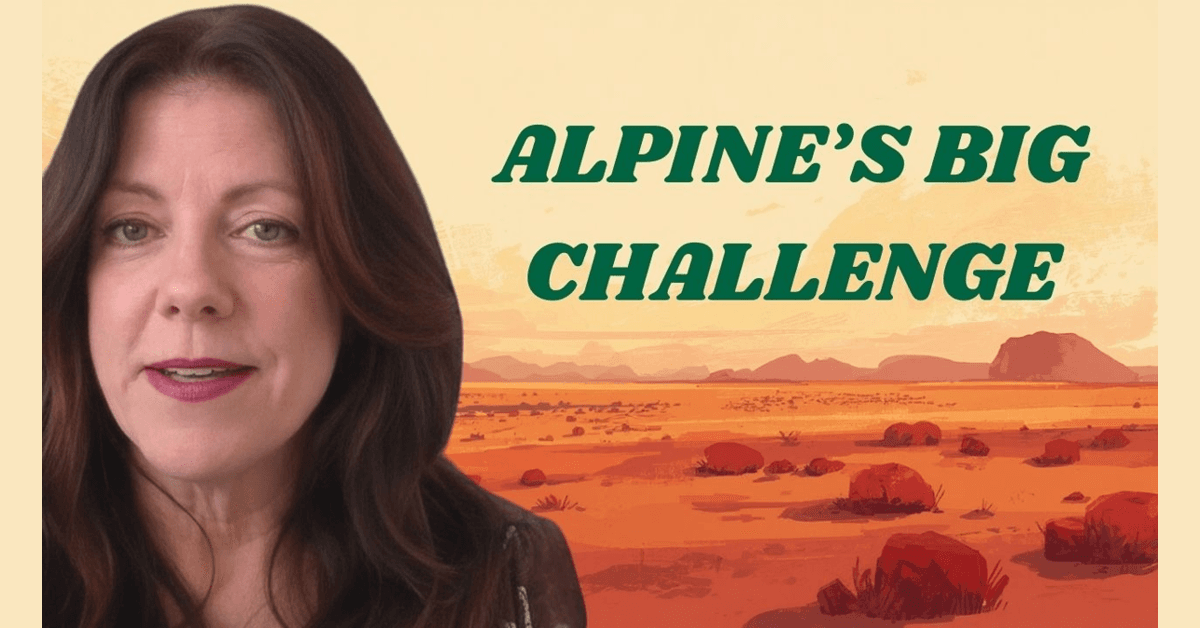
Alpine Mayor Catherine Eaves outlined the city's strategic approach to growth during an interview on The Building Texas Show, emphasizing a balance between development and preservation in West Texas's Big Bend region. The retired science educator turned mayor described how Alpine is leveraging its educational institutions, addressing critical infrastructure needs, and creating a unique economic identity while maintaining its historic character.
Educational excellence forms a cornerstone of Alpine's development strategy, with Sul Ross State University driving local innovation through specialized programs. The university's nursing program, law enforcement academy, and wildlife management degrees are building a skilled workforce, while remote learning partnerships with institutions like Lone Star College are addressing rural healthcare needs. The Museum of the Big Bend, housed at the university, preserves regional history with its world-class map collection.
A pressing challenge discussed was the upcoming expiration of the city's emergency services contract. Mayor Eaves detailed collaborative solutions being explored with Brewster County, including the potential formation of an Emergency Services District to ensure reliable emergency care for Alpine's growing retiree population. Monthly leadership huddles with county, school, and university officials facilitate these regional partnerships.
Economic development initiatives include Alpine's recent designation as a Historic Downtown District and its rebranding as the "Dark Sky Capital of Texas" to attract astrotourism. The city is experiencing a business boom with new restaurants, retail stores, and nurseries opening downtown. Historic landmarks like Kokernot Field baseball stadium and transportation partnerships with Amtrak enhance Alpine's appeal as a destination. Visitors can explore local businesses like Lowe's Grocery Store through resources available at https://visitalpinetx.com.
Community preservation efforts extend to Mayor Eaves's podcast "Small Town Big Stories," which archives nearly 100 interviews with multi-generational residents to preserve Alpine's oral history. The full interview offering deeper insights into Alpine's challenges and vision is available at https://www.youtube.com/watch?v=U8Qdo652Ek0. This comprehensive approach demonstrates how rural communities can pursue growth while maintaining their unique character and addressing specific regional challenges through strategic partnerships and innovative branding.