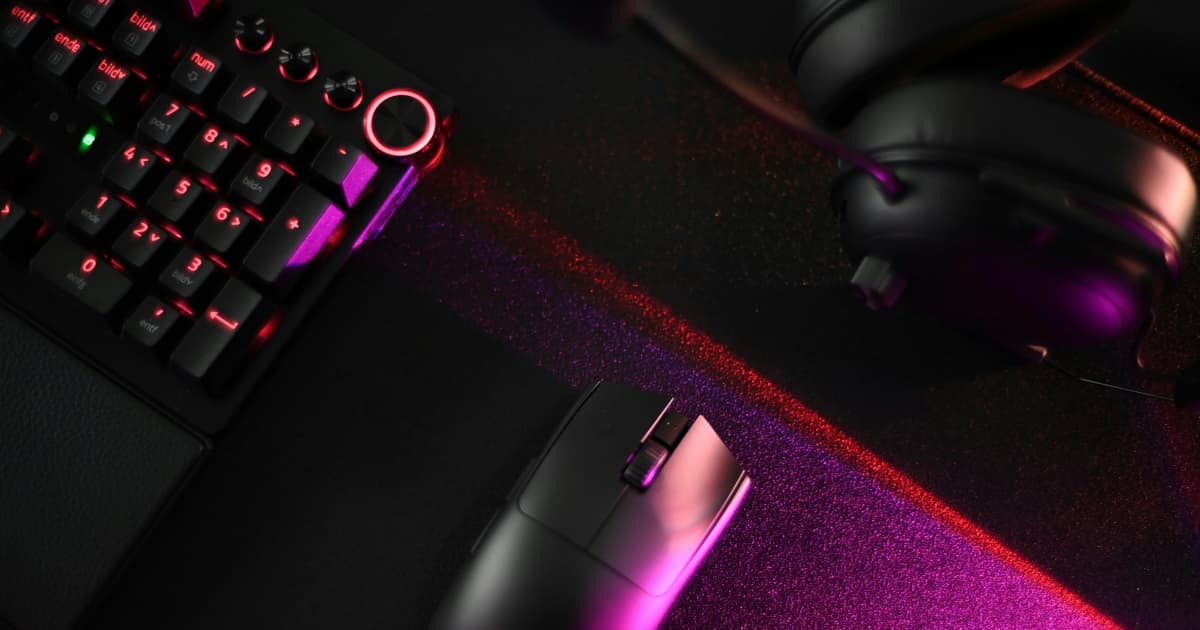
MelGeek has launched the Horus Lightweight Esports Gaming Mouse, marking the company's expansion into a new peripheral category while maintaining its established design-first philosophy. The company, known for turning keyboards into expressive desktop centerpieces rather than purely functional tools, first demonstrated this approach with the MOJO, the world's first transparent mechanical keyboard. This philosophy reached a new peak in late November 2025 with the release of Centauri, a flagship magnetic switch keyboard that integrates an OLED display using the same panel technology as the Apple Watch.
The Horus mouse is conceived as both a performance tool and a piece of desktop art, moving beyond a pure focus on specifications. Inspired by ancient Egyptian mythology, the mouse features subtle references to Horus and Bastet hidden within its structure. Its pyramid-shaped 8K wireless receiver transforms a functional dongle into an intentional design object, continuing MelGeek's tradition of thoughtful peripheral design. This approach reflects the company's consistent demonstration that peripherals can be personal, expressive, and thoughtfully designed without compromising performance.
Despite its artistic approach, the Horus mouse does not sacrifice performance. At just 49 grams, the mouse feels effortlessly light in hand, while its carefully engineered 50:50 balance provides immediate control during gameplay. This combination positions the product within the competitive esports gaming mouse market while offering distinctive aesthetic value. The release follows the successful introduction of the Centauri keyboard, which quickly captured the attention of fans worldwide with its bold fusion of display hardware and gaming keyboard design.
For business and technology leaders, MelGeek's expansion into gaming mice with the Horus model represents a strategic move that could influence broader industry trends. The company's continued emphasis on design-first thinking challenges the conventional prioritization of technical specifications alone in the gaming peripheral market. This approach may encourage other manufacturers to invest more heavily in aesthetic innovation and user experience design, potentially shifting competitive dynamics. The integration of artistic elements with high-performance engineering demonstrates how functional products can also serve as brand-differentiating desktop artifacts, appealing to consumers who value both form and function in their technology investments.