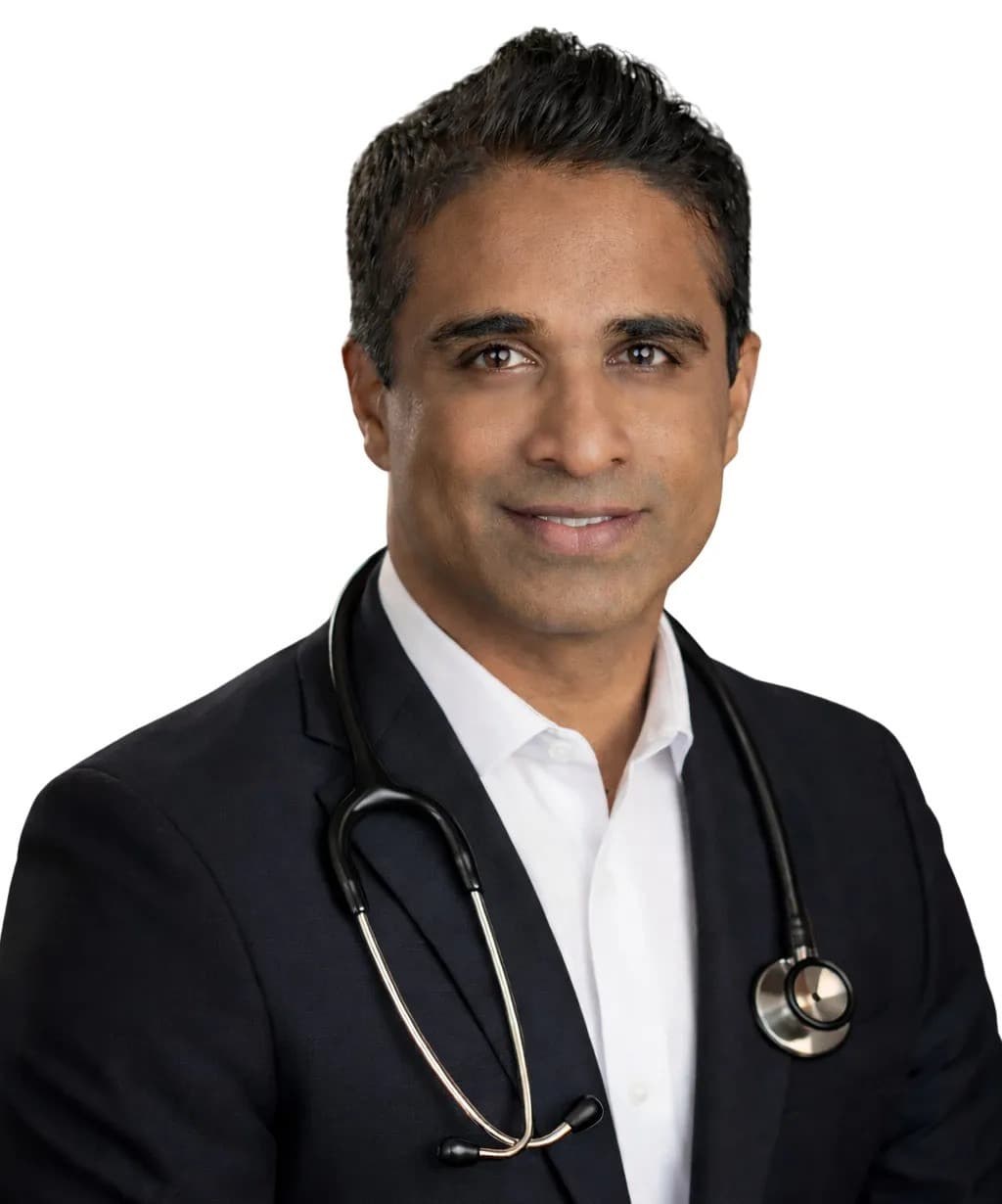
The healthcare industry is witnessing a significant shift toward patient-centric models, as demonstrated by the growth of concierge physician services in Scottsdale, Arizona. Dr. Srinivas P. Reddy's practice, Desert Mobile Medical, represents this evolution by providing primary care directly to patients in their homes. This approach addresses longstanding inefficiencies in traditional healthcare delivery, particularly for business leaders and professionals who value time and personalized attention.
Dr. Reddy, who completed his residency in Internal Medicine at Mercy St. Vincent Medical Center in Ohio, has developed a practice model that eliminates common patient frustrations. The service provides same-day house calls, removing the need for scheduling appointments, waiting in crowded facilities, or traveling to clinics. For technology and business professionals managing demanding schedules, this convenience translates directly into preserved productivity and reduced stress associated with healthcare access.
The concierge model enables Dr. Reddy to dedicate substantially more time to each patient than typical primary care arrangements. This facilitates deeper understanding of individual health concerns, lifestyle factors, and medical histories, leading to customized treatment plans. The practice offers comprehensive services including chronic disease management, urgent care, and wellness consultations, all delivered in the patient's home environment. More information about Dr. Reddy's background and approach is available at https://desertmobilemedical.com/dr-srinivas-p-reddy/.
From an industry perspective, Desert Mobile Medical's success signals broader market demand for healthcare delivery innovation. The positive community response in Scottsdale, with patients reporting improved care experiences through testimonials, suggests that concierge and mobile models could disrupt traditional primary care economics. This trend aligns with technological advancements enabling remote monitoring and telemedicine, though Dr. Reddy's model emphasizes in-person, relationship-based care.
The implications for healthcare accessibility are particularly noteworthy. By bringing services to patients' homes, the practice addresses barriers related to mobility challenges, transportation limitations, and time constraints that often prevent individuals from seeking timely care. This approach could potentially reduce long-term healthcare costs by facilitating early intervention and consistent management of chronic conditions.
As the healthcare landscape continues evolving toward value-based care, models like Desert Mobile Medical demonstrate how personalized service and convenience can coexist with clinical quality. The practice's focus on building strong patient-physician relationships through extended consultations represents a return to fundamental medical principles while leveraging modern service delivery logistics. For business leaders evaluating healthcare benefits for their organizations or personal use, concierge models offer an alternative that prioritizes time efficiency and customized attention.
The growth of such practices in markets like Scottsdale reflects changing patient expectations, where consumers increasingly demand healthcare experiences comparable to other service industries. As demographic shifts create greater need for accessible care solutions, particularly among aging populations and busy professionals, mobile concierge medicine may establish new standards for primary care delivery that balance medical excellence with practical convenience.