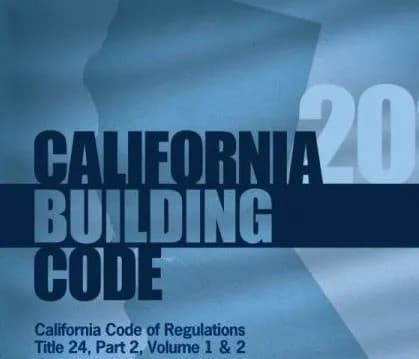
A public interest lawsuit filed in Los Angeles Superior Court alleges the City of Los Angeles has failed to enforce its own energy efficiency regulations for more than twenty years, resulting in hundreds of billions of dollars in unnecessary energy expenses for residents and businesses. The case, which seeks to compel the city to uphold laws it has already adopted, highlights a significant gap between environmental rhetoric and regulatory enforcement with direct financial consequences for the local economy.
The lawsuit claims this prolonged regulatory failure directly contradicts the city's public positioning as a leader in green policy and sustainability. By allegedly neglecting to enforce mandates designed to reduce energy waste and lower utility costs, the city has contributed to inflated electricity bills for Angelenos already grappling with a high cost of living. This inaction represents a tangible financial burden on every resident, taxpayer, and business owner in Los Angeles, according to the legal filing.
For business and technology leaders, the case underscores the critical importance of regulatory consistency and enforcement in achieving stated environmental and economic goals. When cities adopt ambitious sustainability targets but fail to implement the corresponding regulations, it creates market uncertainty, undermines investments in energy-efficient technologies, and places compliant businesses at a competitive disadvantage against those who operate without enforcement. The alleged pattern of neglect described in the lawsuit suggests systemic barriers to achieving meaningful energy transition at the municipal level.
The legal action seeks a permanent injunction to force the city to begin enforcing its existing energy efficiency laws, framing the issue as one of governmental accountability and transparency rather than partisan politics. The outcome could establish important precedents for how cities are held accountable for implementing their own environmental regulations, potentially influencing municipal governance and sustainability enforcement nationwide. Additional information about the lawsuit is available at https://www.glassgaragedoors.com/about-us/.
The broader implication for industries focused on clean technology and energy efficiency is substantial. Inconsistent enforcement creates an unpredictable business environment where the return on investment for energy-saving innovations becomes difficult to calculate. This lawsuit brings to light how administrative failures at the city level can effectively nullify the economic and environmental benefits of technological advancements in building efficiency, smart grid systems, and renewable energy integration. The case demonstrates that policy implementation is as crucial as policy creation for driving real-world impact in the sustainability sector.