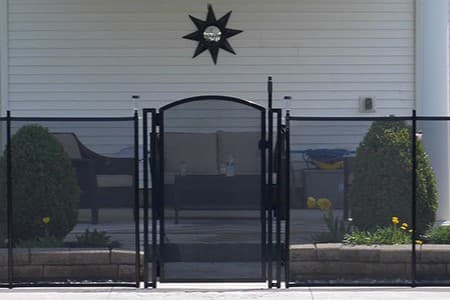
While pool fencing remains a critical safety feature, Life Saver Pool Fence Oklahoma stresses that true protection requires comprehensive pool safety strategies. A fence limits direct access, but children are curious and unpredictable. That's why safety experts recommend combining barriers with additional safeguards.
Professional-grade fencing provides a strong foundation, yet it works best when supported by other protective tools designed to reduce risk and human error. One key addition is the installation of self-closing pool gates. These gates automatically swing shut and latch securely, preventing accidental entry when someone forgets to close them. Durable hardware and precise installation ensure reliable function in Oklahoma's varying weather conditions.
By minimizing reliance on memory alone, self-closing gates strengthen overall safety planning. Another important layer includes pool safety covers, particularly during off-season months. These mesh covers are tension-fitted and strong enough to support weight, helping prevent accidental falls into the water. When paired with fencing and gates, covers enhance comprehensive pool safety strategies by creating protection even when the pool is not actively supervised.
Families across Oklahoma are recognizing the value of combining these solutions rather than relying on a single product. Life Saver Pool Fence Oklahoma continues to educate homeowners about proactive safety measures that go beyond basic compliance. By offering fencing, gates, and covers together, the company helps families implement a smarter, prevention-first approach.
To learn more about implementing comprehensive pool safety strategies, homeowners can visit Life Saver Pool Fence Oklahoma's website and explore how layered protection can create a safer backyard environment. The company also provides information about available options at https://poolfenceoklahoma.com/special-offer/ for those considering enhanced safety measures.
The shift toward multi-layer protection represents an important evolution in residential safety standards. While fencing addresses the most obvious risk of direct access, self-closing gates mitigate human error, and safety covers provide protection during periods of reduced supervision. This comprehensive approach acknowledges that children's curiosity and unpredictable behavior require multiple fail-safes rather than single-point solutions.
For business and technology leaders, this emphasis on layered safety systems offers parallels to cybersecurity and risk management strategies in corporate environments. Just as businesses implement multiple security layers to protect digital assets, homeowners are now recognizing the value of comprehensive physical safety systems. The prevention-first philosophy advocated by pool safety experts mirrors risk management approaches that prioritize proactive measures over reactive responses.
The implications extend beyond individual households to community safety standards and potential insurance considerations. As awareness grows about the limitations of single-barrier protection, there may be increasing pressure on municipalities to update building codes and safety regulations. This could create new market opportunities for safety technology companies while potentially reducing liability risks for property owners who implement comprehensive protection systems.