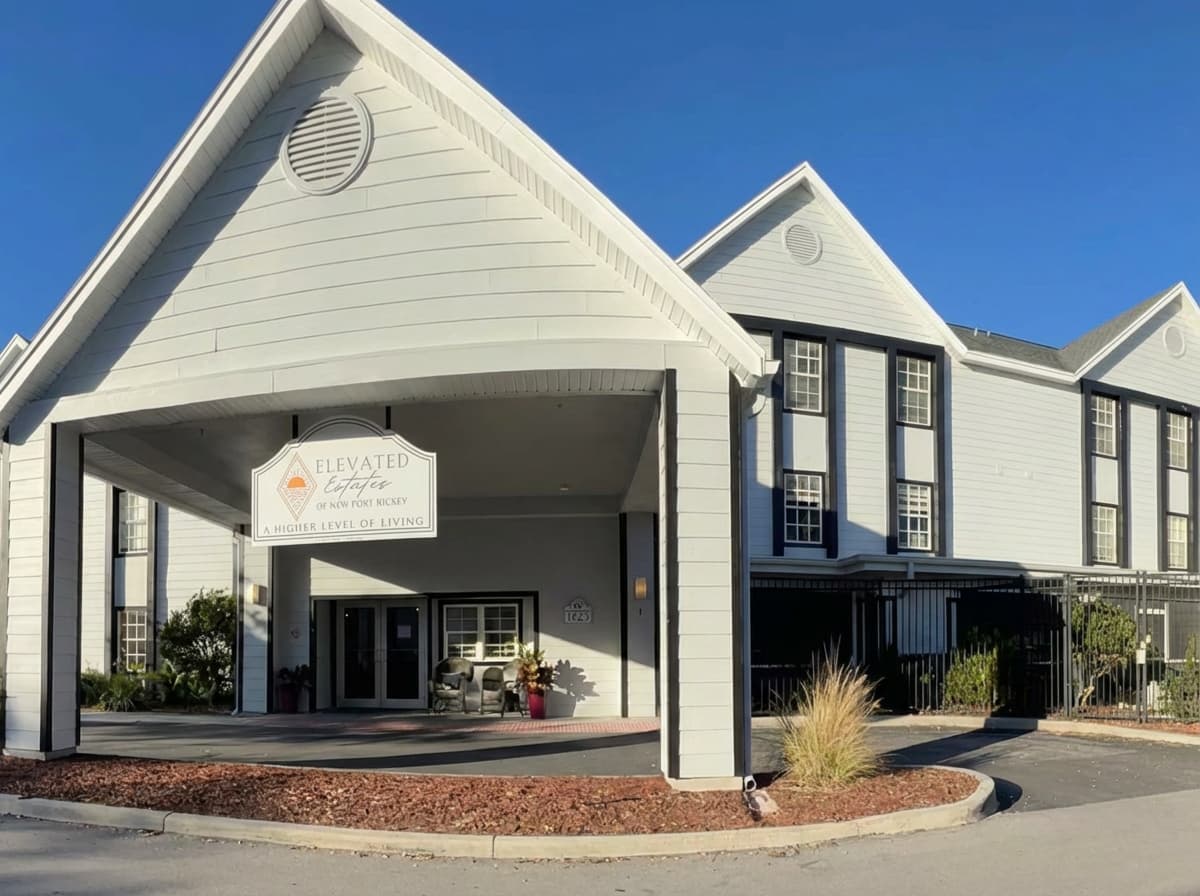
Families navigating the complex decision of selecting an assisted living facility or memory care community for a loved one face numerous challenges, from assessing care needs to understanding pricing structures. Douglas Halperin, Principal at Elevated Estates in Florida, offers practical guidance based on years of experience helping families through this critical transition. His approach emphasizes matching care needs with the appropriate environment rather than simply finding any available placement.
The first step, according to Halperin, involves an honest assessment of the loved one's current and anticipated care needs. This includes evaluating medical requirements, lifestyle preferences, and social environment desires. Some individuals thrive in larger communities with 150 to 200 residents, while others prefer more intimate settings of 40 to 50 people. Activity preferences also play a crucial role, with some facilities offering extensive outdoor spaces while others focus primarily on indoor amenities.
Understanding assisted living costs presents a significant challenge for many families. Halperin warns that advertised prices often represent just the starting point, with monthly costs potentially increasing by three to four thousand dollars based on care criteria. He recommends families ask detailed questions about pricing structures during initial tours, specifically whether facilities use all-in pricing or charge additional fees based on care levels. For memory care situations, this financial planning becomes even more critical as cognitive decline typically progresses over time, increasing care needs and associated costs.
Medicaid eligibility significantly impacts long-term planning, with some assisted living communities accepting Medicaid while others operate on private pay only. Halperin advises families to clearly understand their financial situation and choose facilities that remain affordable as care needs increase. This prevents the trauma of having to move a loved one due to cost increases, which can be particularly problematic for individuals with memory impairment. He suggests selecting a property that allows for growth within the financial plan rather than starting at the upper limit of affordability.
Physical tours of senior living facilities provide essential insights that online research cannot replace. Halperin strongly recommends touring any property under serious consideration, examining actual resident rooms and bathroom configurations. This is particularly important for individuals with mobility challenges, as not every bathroom design accommodates every need. Families should ensure the physical environment aligns with both their preferences and the loved one's mobility requirements.
Beyond physical facilities and pricing, Halperin emphasizes evaluating the intangible qualities that define daily life in senior living communities. Observing staff interactions with residents during tours reveals much about community culture. Staff members who engage warmly and individually, address residents by name, and demonstrate genuine care indicate a positive environment. Communities genuinely committed to resident wellbeing show flexibility in accommodating personal preferences around food, activities, and daily routines rather than enforcing rigid, one-size-fits-all approaches.
Recognizing the right time to move to assisted living often presents challenges for families. Halperin identifies two common scenarios: sudden needs arising from medical emergencies or falls, and gradual transitions where home health support has increased significantly. When home health support grows to six or more hours daily, or when social isolation becomes concerning, assisted living may offer better quality of life than continuing to age at home. For more information about assisted living options in Florida, visit https://elevatedestates.org.
Halperin's guidance ultimately centers on thorough research, honest assessment, and prioritizing long-term fit over short-term convenience. Understanding finances, anticipating care needs beyond advertised starting prices, and carefully evaluating both tangible and intangible factors helps families make informed decisions that serve their loved ones well for years to come. This comprehensive approach to selecting senior care facilities ensures that emotional decisions are supported by practical considerations and financial planning.