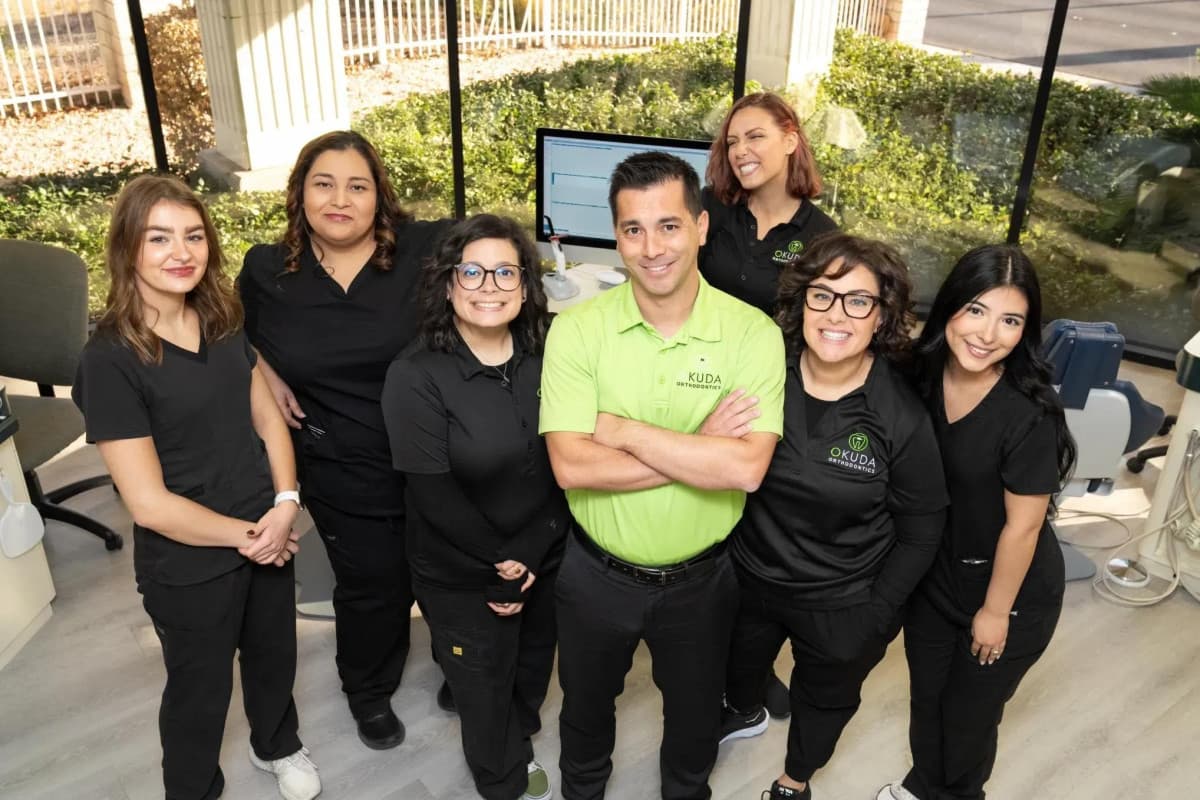
Okuda Orthodontics in Henderson, NV, demonstrates how specialized healthcare practices integrate advanced technology to enhance patient outcomes and operational efficiency. The practice employs digital imaging and 3D scanning for precise treatment planning, which improves accuracy and can reduce treatment duration. This technological adoption reflects a broader trend in medical and dental services where digital tools are becoming standard for diagnostics and personalized care planning.
The practice's approach to different demographic segments—children, teens, and adults—highlights the importance of tailored patient engagement strategies in healthcare businesses. For younger patients, the focus on a child-friendly environment and clear communication aims to reduce anxiety and improve compliance, which is critical for treatment success. For teens and adults, offering aesthetic options like ceramic braces and clear aligners addresses consumer demand for discreet healthcare solutions that align with personal and professional lifestyles.
Okuda Orthodontics' emphasis on patient education and ongoing support underscores a shift in healthcare models toward empowering patients with information. By explaining treatment options, durations, and maintenance requirements, the practice fosters informed decision-making and builds long-term trust. This educational component can lead to better patient adherence and satisfaction, which are key metrics for service-based businesses in competitive markets.
Financially, the practice's provision of flexible payment plans and insurance collaboration addresses accessibility concerns, a significant factor in healthcare consumption. This strategy not only expands the potential patient base but also aligns with corporate social responsibility trends, where businesses are expected to offer equitable service access. More details on their services can be found on their website at https://okudaortho.com/braces-in-henderson-nv/.
The implications for the healthcare and technology sectors are notable. As practices like Okuda Orthodontics adopt advanced tools, they drive demand for medical technology innovations, potentially spurring growth in related AI and software development fields. For business leaders, this case illustrates how integrating technology with patient-centric services can enhance competitive advantage, improve efficiency, and meet evolving consumer expectations in healthcare. The focus on personalized, tech-enabled care may set benchmarks for other specialty practices aiming to optimize both clinical outcomes and business performance.