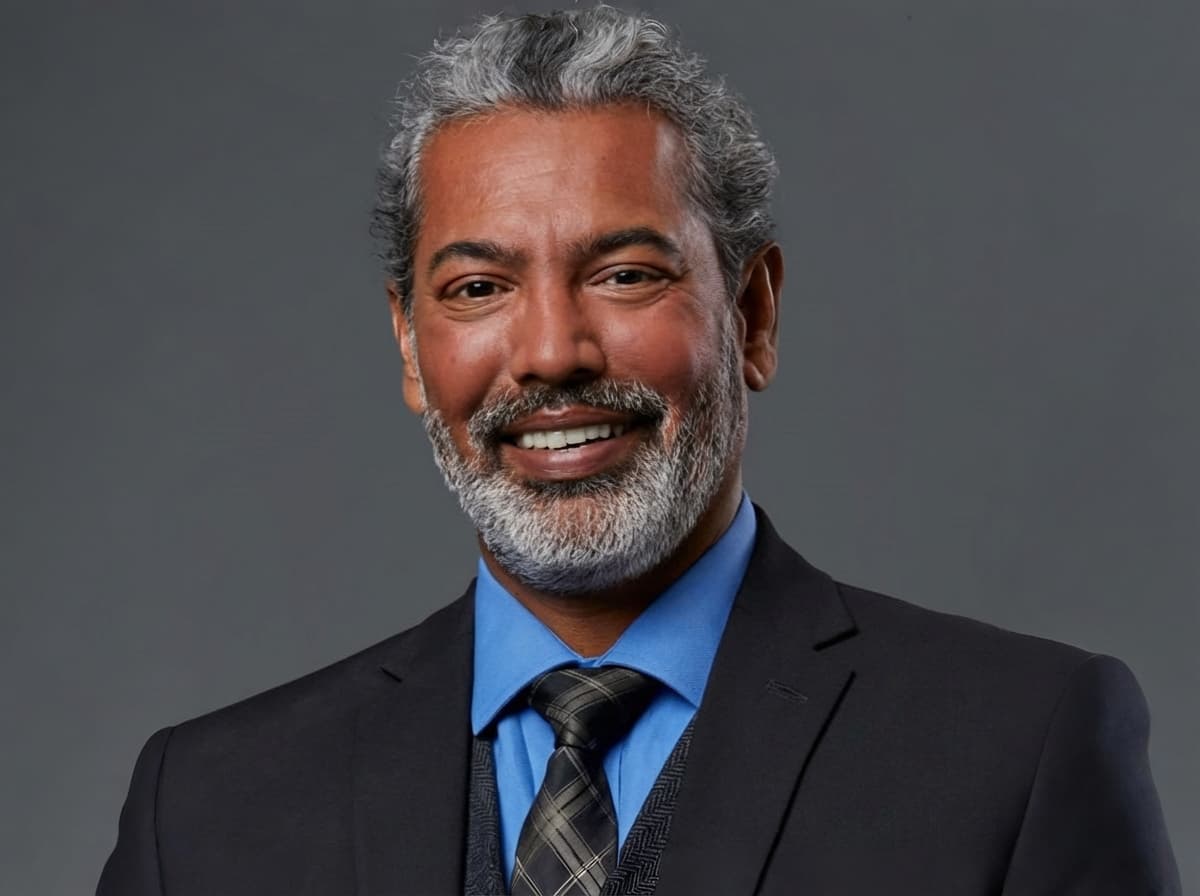
While Florida's real estate market often makes national headlines for insurance crises and coastal volatility, Central Florida presents a fundamentally different story of stability and sustained growth. According to Bobby Mathews, Broker Associate at RE/MAX Foxfire in Ocala, the state comprises approximately twenty distinct markets, with Central Florida's corridor demonstrating genuine equilibrium that has become increasingly attractive to both out-of-state and intra-state buyers.
Mathews, with twenty-five years of experience spanning three market cycles, observes that communities like The Villages, On Top of the World, and Stone Creek maintain balanced dynamics absent the extreme peaks and valleys seen in southern and coastal regions. This balance stems from relative affordability, lower coastal risk, ample space, and strategic location approximately ninety minutes from Tampa, Orlando, and Jacksonville. The region's appeal has intensified as existing Florida residents make secondary, more deliberate choices about their long-term location within the state.
The current market represents a return to normalcy after the pandemic frenzy, where strategic pricing, property positioning, and negotiations have regained importance. Mathews emphasizes that this environment reflects how a healthy market should function, requiring both buyers and sellers to adjust their expectations from the unprecedented conditions of recent years. His team focuses on coaching clients through this recalibration, helping sellers understand strategic positioning and buyers recognize that quality inventory continues to move quickly despite the normalized pace.
To read market conditions, Mathews tracks four key indicators. Inventory levels relative to sales pace provide the initial supply-demand assessment. Days on market trends reveal whether conditions favor buyers or sellers and inform pricing strategy. Third, buyer confidence indexes, particularly the ratio of new purchase mortgage applications to refinance applications, offer insight into homeowner behavior; when refinancing outpaces new purchases, it suggests owners are improving rather than selling, potentially tightening future supply. Finally, migration data confirms sustained population gains over fifteen years, supported by major employers including Amazon, Chewy, Dollar General, and FedEx establishing large-scale distribution operations in the region.
Looking forward, Mathews anticipates meaningful growth in multifamily housing as rental demand from distribution center jobs converts to ownership. The 55-plus community segment remains strong, while medical infrastructure expansion, including Tampa General's planned northward growth and improved highway access via the Suncoast Parkway, adds another demand layer. For business and technology leaders evaluating real estate opportunities, the implication is clear: statewide headlines often obscure local realities, and Central Florida's story of sustained fundamentals, intentional growth, and market balance represents a distinct opportunity within the broader Florida narrative.