BioUtah participated in the Biotech Across America State Symposium in Washington, D.C. on March 25, focusing on the strategic importance of robust state and local biotechnology ecosystems for national security and economic resilience. The symposium represents a continuation of the National Security Commission on Emerging Biotechnology's Biotech Across America Roadshow, which aims to highlight biotechnology developments across the country.
The National Security Commission on Emerging Biotechnology, a legislative branch advisory entity, published a comprehensive report in April 2025 with recommendations for Congress and federal government action. The Commission's purpose is to advance and secure biotechnology, biomanufacturing, and associated technologies for U.S. national security while preparing the nation for the bioindustrial revolution. More information about the Commission and its report can be found at https://biotech.senate.gov.
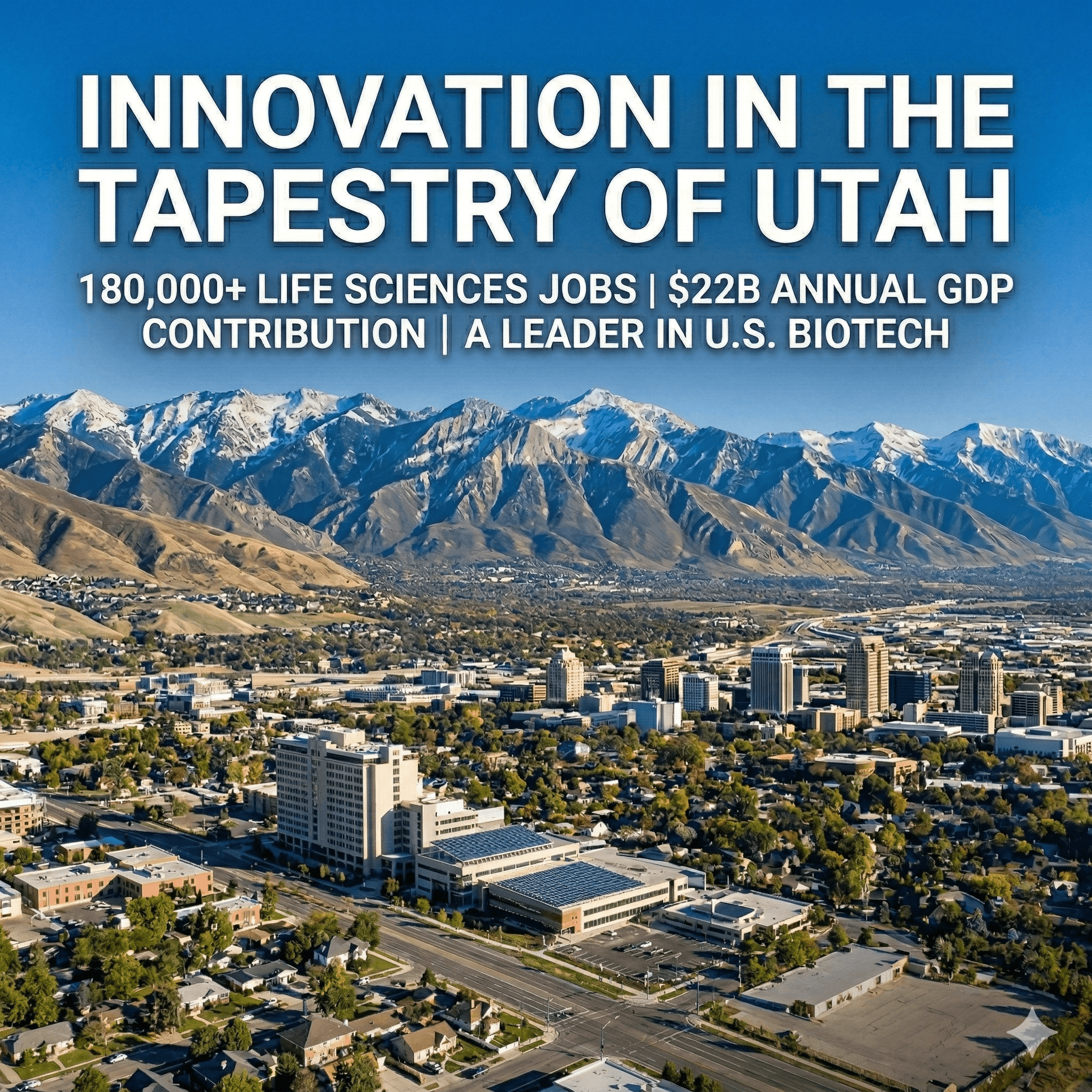
Utah's biotechnology sector represents a significant component of the national industry, with the state earning recognition as a startup hub while employing approximately 180,000 people in life sciences and generating $22 billion in GDP. BioUtah, an independent trade association serving Utah's life sciences industry, represents companies across medical device manufacturing, research and testing, biotechnology, biopharmaceuticals, and diagnostics. Additional information about the organization is available at https://bioutah.org.
The symposium included discussions about companies, academic institutions, workforce development programs, and policy initiatives driving growth in the biotechnology sector. Commissioners engaged with key findings and recommendations from the Commission's recent report to Congress while learning about work being done across the biotechnology ecosystem.
Several organizations contributed to the symposium's context, including the Engineering Biology Research Consortium, a non-profit public-private partnership dedicated to advancing engineering biology to address national and global needs. The Federation of American Scientists, established in 1945, continues to bring scientific rigor and analysis to address national challenges, with more information available at https://fas.org.
The implications of these discussions extend beyond immediate economic considerations to encompass national security dimensions. As biotechnology becomes increasingly integrated with national defense and economic stability, state-level ecosystems like Utah's contribute to broader strategic objectives. The symposium's focus on connecting local biotechnology developments with national security frameworks reflects growing recognition of the sector's dual-use potential and its importance in maintaining competitive advantage in emerging technologies.
For business and technology leaders, these developments signal increased attention to biotechnology infrastructure at state and federal levels, potentially influencing investment patterns, regulatory approaches, and public-private partnerships. The emphasis on workforce development and academic institutions suggests opportunities for collaboration between industry and educational organizations. As the bioindustrial revolution progresses, states with established biotechnology ecosystems may experience accelerated growth while contributing to national resilience objectives.