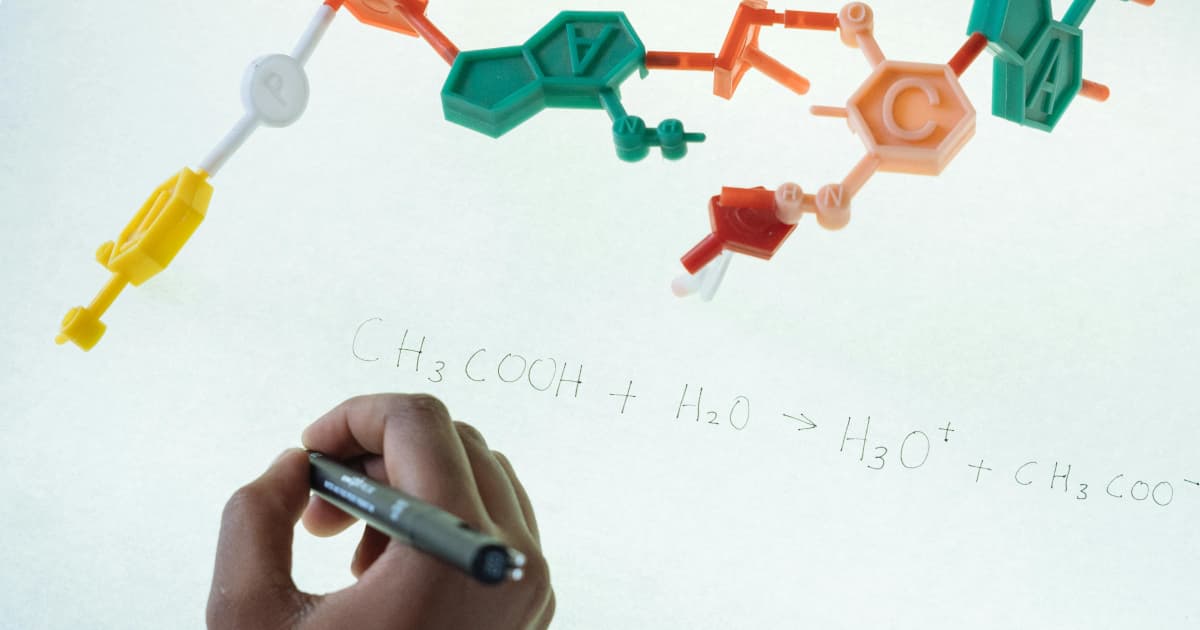
Researchers have successfully engineered bacteria to overcome production barriers that have limited doxorubicin manufacturing since the 1970s, achieving a 180% increase in yield compared to current methods. This breakthrough addresses molecular bottlenecks that have forced pharmaceutical companies to rely on expensive, multi-step processes for producing this critical chemotherapy medication.
The development represents a significant advancement in pharmaceutical manufacturing, particularly for a drug that treats over one million cancer patients worldwide each year. By engineering bacteria to generate substantially more doxorubicin, scientists have potentially unlocked a more efficient and cost-effective production method that could have far-reaching implications for cancer treatment accessibility and affordability.
The breakthrough comes half a century after doxorubicin first became available, highlighting the persistent challenges in optimizing production of complex pharmaceutical compounds. Pharmaceutical companies have long struggled with the drug's manufacturing process, which has remained largely unchanged despite decades of research and development efforts.
For business leaders and technology executives, this development demonstrates how advanced bioengineering techniques can solve longstanding industrial challenges. The application of bacterial engineering to pharmaceutical manufacturing represents a convergence of biotechnology and industrial production that could serve as a model for addressing similar challenges across the pharmaceutical sector.
The implications extend beyond doxorubicin production alone, potentially paving the way for similar approaches to other complex drug manufacturing processes. As noted in coverage from TinyGems, this breakthrough could influence how leading cancer drug developers approach manufacturing challenges for other essential medications.
From an industry perspective, the increased production efficiency could lead to more stable drug supplies and potentially lower costs over time, though market dynamics will ultimately determine pricing. The technology also represents an important case study in how persistent research investment can yield solutions to problems that have resisted resolution for decades.
The breakthrough arrives at a time when global healthcare systems face increasing pressure to deliver effective cancer treatments while managing costs. More efficient manufacturing processes for essential drugs like doxorubicin could help address both clinical needs and economic constraints within healthcare delivery systems worldwide.
For technology leaders, this development underscores the growing importance of synthetic biology and genetic engineering in solving industrial-scale problems. The successful application of these techniques to pharmaceutical manufacturing suggests similar approaches could be valuable across multiple sectors where biological processes offer advantages over traditional chemical manufacturing methods.