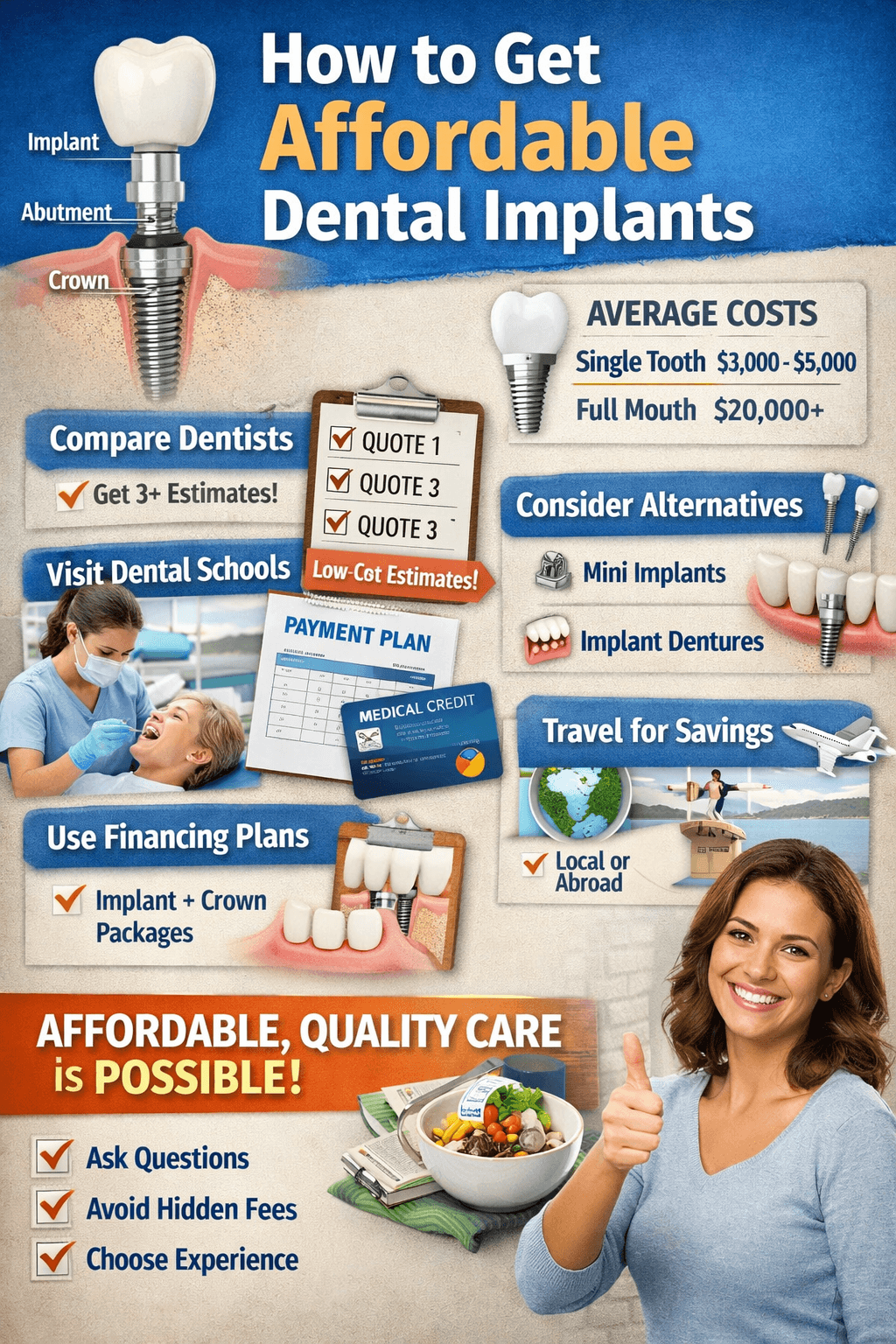
Dental implants, often described as the gold standard for tooth replacement, present significant financial considerations for patients. The complexity of the procedure, involving surgical placement into the jawbone, contributes to costs that typically range from $3,000 to $5,000 for a single tooth and can exceed $50,000 for full mouth reconstruction. These expenses reflect not just a product but the required expertise, technology, and long-term durability, with the process spanning several months from consultation to final crown placement.
The total cost comprises multiple components including the implant post, abutment, and crown, with potential additional procedures like bone grafting. Despite the upfront investment, implants are considered a long-term financial and health investment, as they can last decades with proper care and help preserve jawbone structure, unlike dentures or bridges that may require frequent replacements.
Strategic approaches can significantly reduce costs. Comparing multiple dentists is crucial, as prices vary widely between clinics even within the same city. Specialized implant centers often offer lower prices due to higher procedural volume and efficiency, sometimes with in-house labs. Dental schools provide another budget-friendly option, with procedures performed by supervised students at up to 50% savings, though with potential trade-offs in scheduling flexibility.
Financing options make implants more accessible. Many clinics offer in-house monthly payment plans, while medical credit cards like CareCredit provide low or zero-interest payment periods. Dental insurance may cover preliminary procedures and partial crown costs, and in-house membership plans at clinics can offer treatment discounts.
Alternative solutions include mini dental implants, which are smaller and less invasive, and implant-supported dentures that use fewer implants to support full dentures. Geographic considerations also impact affordability, with domestic travel to regions with lower costs or international dental tourism offering potential savings, though requiring careful quality and safety research.
Patients must avoid hidden costs by asking specific questions about all-inclusive pricing, follow-up fees, and complication protocols. The emphasis should remain on balancing affordability with quality, as poor-quality work can lead to complications and higher long-term costs. Comprehensive information about dental implant options is available through resources like Affordable Dentist Near Me, which provides detailed guidance for informed decision-making.
With proper planning and strategic approaches, affordable dental implants are achievable without sacrificing quality, offering long-term benefits for health, confidence, and quality of life.