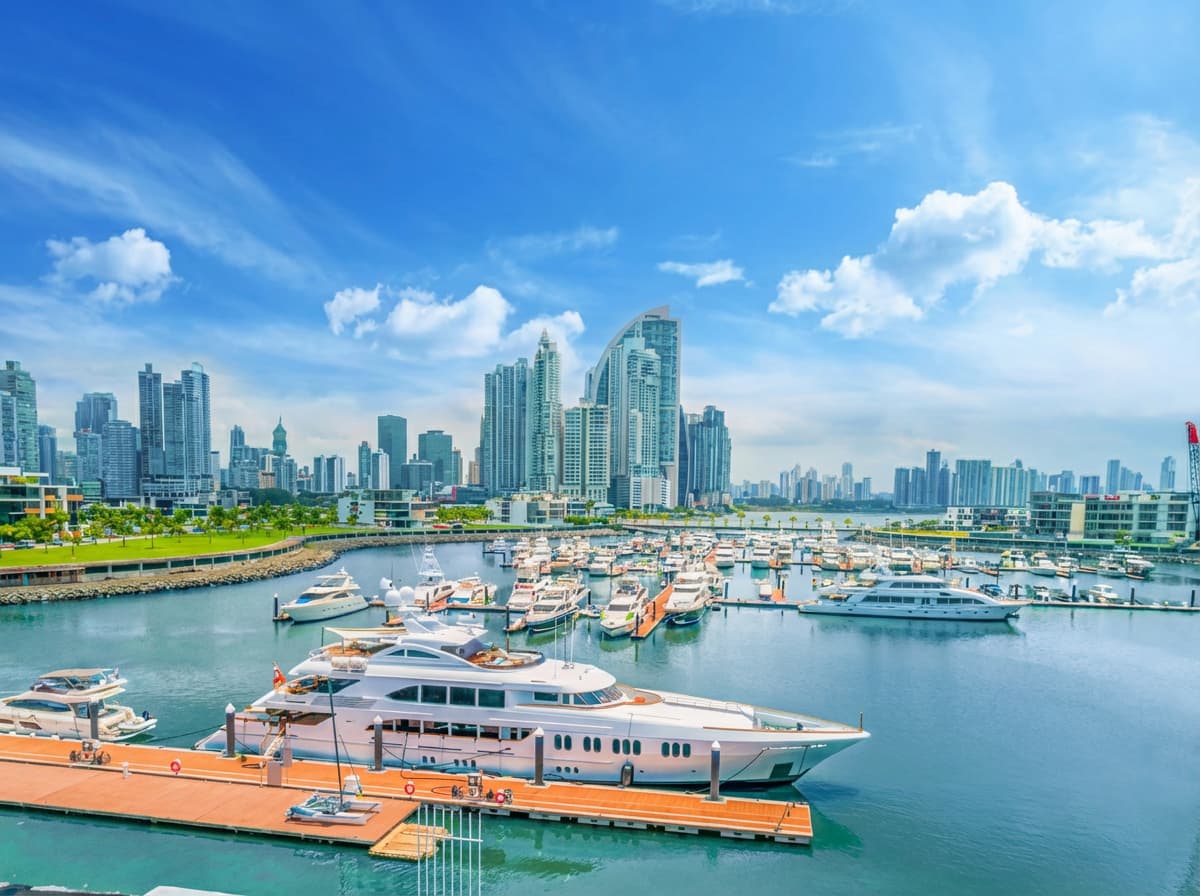
The conversation around portfolio diversification typically focuses on asset classes, yet geographic real estate diversification remains surprisingly underutilized by American investors despite offering tangible benefits that paper assets cannot provide. Concentrating all real estate assets within one country ties portfolios to a single economy, government, and regulatory environment, creating risks that diversified stock portfolios specifically avoid. Wealthy Europeans have practiced international real estate ownership for generations, and Americans are beginning to recognize that what seems novel domestically reflects established wealth preservation practices elsewhere.
Market accessibility involves practical factors beyond attractive pricing. Dollar-based markets eliminate currency friction entirely, making financial management familiar rather than foreign. Time zone alignment enables real-time conversation during normal business hours, while markets with widespread English usage in business contexts reduce reliance on translators. Legal framework familiarity significantly influences comfort levels, with some countries welcoming foreign investment with straightforward purchase procedures and clear ownership rights.
Modern infrastructure transforms international properties from pure investment vehicles into potential lifestyle assets, with healthcare quality rising as a primary decision factor. Some international markets offer healthcare quality matching or exceeding American standards, with facilities affiliated with recognized institutions. This consideration particularly matters for investors evaluating retirement destinations or planning extended international stays, as property ownership in markets with quality healthcare infrastructure provides optionality that vacation home ownership in medically underserved areas cannot match.
Several converging factors are increasing American interest in international real estate diversification currently. Economic uncertainty domestically drives investors to consider geographic hedging strategies, while remote work normalization enables location flexibility that previous generations lacked. Investment-based residency programs in various countries add strategic value beyond property returns, with some markets granting residency rights through real estate investment at thresholds accessible to upper-middle-class Americans. These programs create optionality, transforming real estate from pure investment into a tool enabling greater life flexibility.
The trust verification challenge represents perhaps the largest barrier to international real estate investment. International markets operate under different regulatory structures, and vetting professionals requires diligence that investors may lack experience conducting. Organized market exposure through groups conducting regular transactions provides third-party verification that individual investors cannot easily replicate. For those seeking education, focused learning on specific markets proves more actionable than broad international real estate knowledge. A March webinar addressing Panama investment fundamentals drew substantial attendance, with the replay available at https://chordrealestate.com for those who missed the live session.
Direct market exposure accelerates learning beyond what remote research can achieve. An upcoming summit in late May offers structured exposure to Panama's market, including property tours and professional introductions. Interested investors can find details at https://chordrealestate.com/investpanamasummit. The hardest step involves making the first move, but starting with markets offering maximum accessibility reduces friction. Investors should view the first international property as establishing infrastructure as much as making an investment, as the relationships built and processes learned enable subsequent international investments with far less difficulty.