

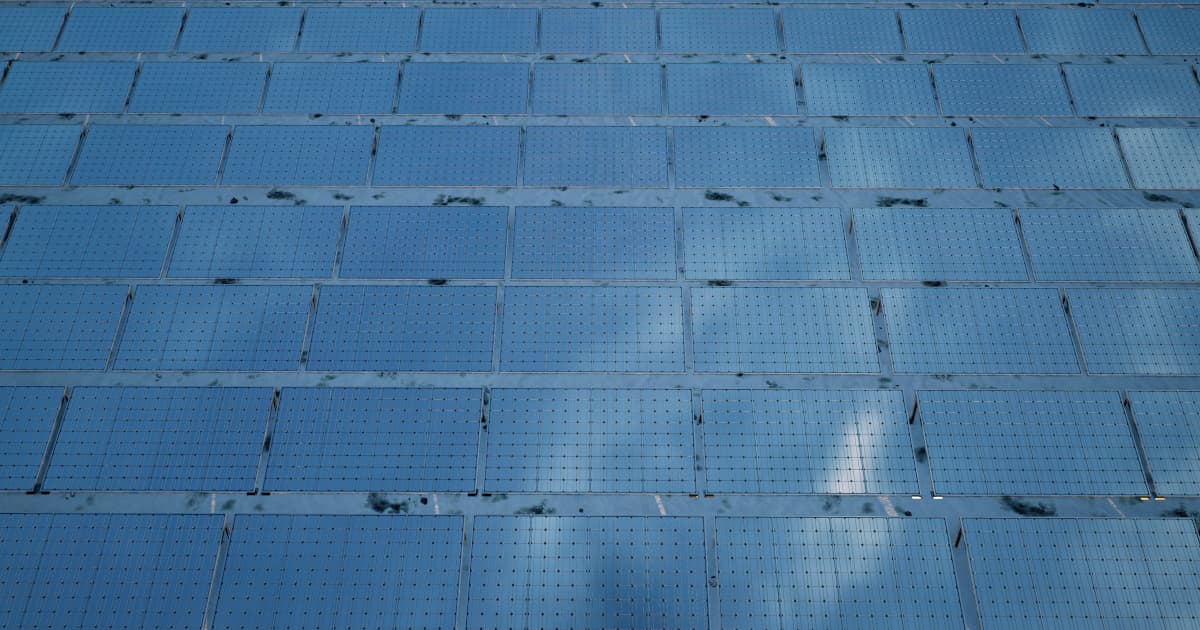
A strategic alliance between China and Gulf nations is set to redefine the renewable energy landscape across the developing world, with implications for global power dynamics and market opportunities. According to a recent report, the United Arab Emirates provides capital and leverages diplomatic influence, while China contributes technological expertise and construction capacity. This collaboration could accelerate the energy transition in the Global South, but also raises concerns about economic dependency and geopolitical maneuvering.
The partnership, detailed by GreenEnergyStocks, highlights that the renewable transition is not merely an environmental necessity but a tool for geopolitical power assertion. As nations in the Global South seek to modernize their energy grids, they may become increasingly reliant on Chinese technology and Gulf financing. This could shift traditional alliances and create new spheres of influence, particularly as Western nations compete for a foothold in emerging markets.
For North American companies, this development presents both challenges and opportunities. Firms like GeoSolar Technologies Inc. could find significant market potential in the Global South, as demand for renewable energy solutions grows. However, they may face stiff competition from state-backed Chinese and Gulf entities that can offer integrated packages of financing, technology, and construction. The partnership underscores the importance of strategic positioning for businesses looking to capitalize on the global energy transition.
The report from GreenEnergyStocks, a platform focused on companies shaping the green economy, emphasizes that the collaboration between China and Gulf countries could accelerate the deployment of solar, wind, and other renewable projects in regions that have historically lagged in energy infrastructure. This could bring electricity to millions of people and reduce carbon emissions, but it also risks creating new dependencies if local capacities are not developed in parallel.
Industry observers note that the partnership is still in its early stages, but its potential impact is vast. The Global South, which includes parts of Africa, Asia, and Latin America, is expected to see a surge in energy demand as populations grow and economies develop. By combining resources, China and the Gulf nations are positioning themselves as key partners in meeting this demand, potentially reshaping global energy trade flows and geopolitical alignments.
For leaders in business and technology, this trend signals a need to monitor developments in renewable energy financing and technology transfer. Companies that can offer innovative solutions or partner with local firms in the Global South may find lucrative opportunities, especially if they can navigate the evolving geopolitical landscape. The partnership also highlights the growing importance of energy security and independence for developing nations, which may seek to diversify their sources of technology and capital.
As the world transitions to cleaner energy, the collaboration between China and Gulf countries serves as a reminder that the renewable revolution is as much about power and influence as it is about sustainability. The coming years will reveal whether this partnership fosters genuine development or deepens existing inequalities.
