

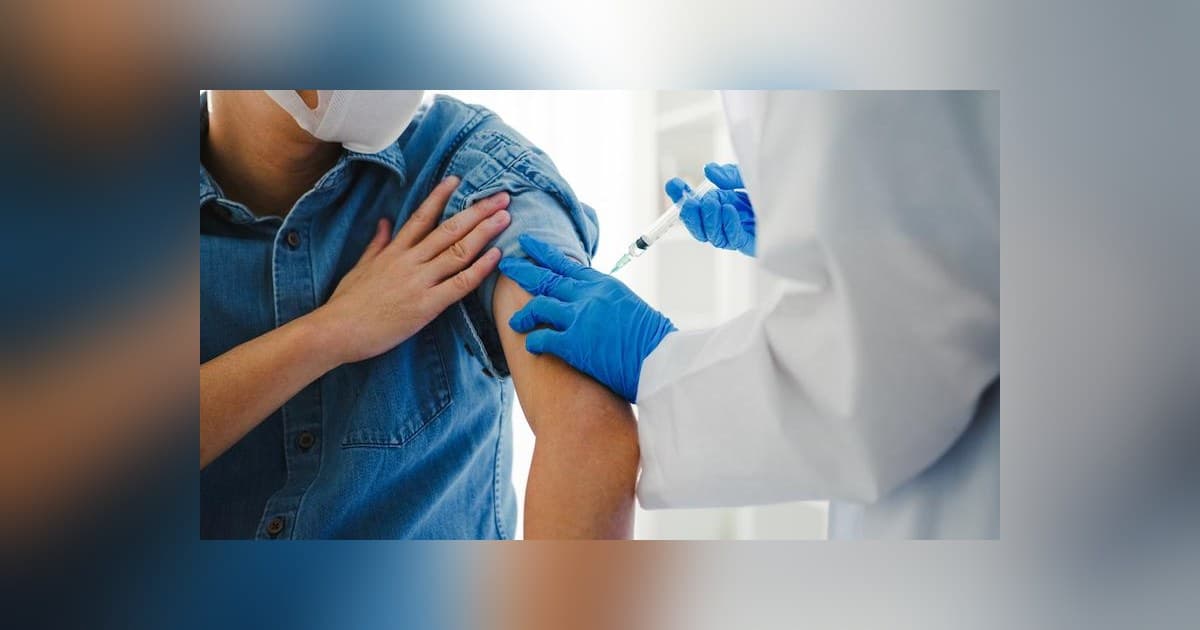
With flu season underway, health experts are reminding the public of the importance of vaccination and preventive measures. February historically marks the peak month for flu activity, according to data from the Centers for Disease Control and Prevention. To reduce the risk of contracting the flu, Dr. Matthew Heller, an associate professor of family medicine at New York Institute of Technology College of Osteopathic Medicine, recommends that everyone over six months of age receive an annual flu shot.
"Always talk to your physician about potential exceptions and find out whether the flu vaccine is appropriate for you," Dr. Heller advised. The vaccine works by stimulating the body to develop antibodies that provide protection against flu-causing viruses. Even in seasons when the vaccine is less effective due to virus mutations, it still offers significant benefits, including reduced severity of symptoms, fewer complications, and lower rates of hospitalizations and deaths. Additionally, vaccination reduces the risk of influenza-associated outpatient healthcare visits across all age groups.
Dr. Heller emphasized that the flu vaccine cannot cause the illness itself, as the viruses used in the vaccine are inactivated or weakened. However, it takes about two weeks after vaccination for the body to build full protection, so early vaccination is crucial. Flu symptoms typically include fever, chills, body aches, cough, headache, and fatigue. People often do not become symptomatic until a few days after exposure, and they can spread the virus before symptoms appear. Symptoms usually last about a week.
While most healthy individuals can recover at home with rest and fluids, those in high-risk groups—such as adults 65 and older, young children, pregnant women, and people with chronic health conditions—should contact a physician if they suspect they have the flu. Beyond vaccination, Dr. Heller highlighted other preventive measures, including frequent hand washing, using hand sanitizer, sanitizing high-traffic surfaces, avoiding touching the face, avoiding large crowds, and sneezing into a tissue or elbow.
Dr. Heller stressed the broader impact of individual actions: "The flu spreads easily from person to person. Remember that getting the flu vaccine will not only protect you but will also protect all those around you. By setting the example, others will follow." His advice comes as part of ongoing efforts by faculty at New York Institute of Technology to address real-world health challenges. For more information, visit nyit.edu.
