

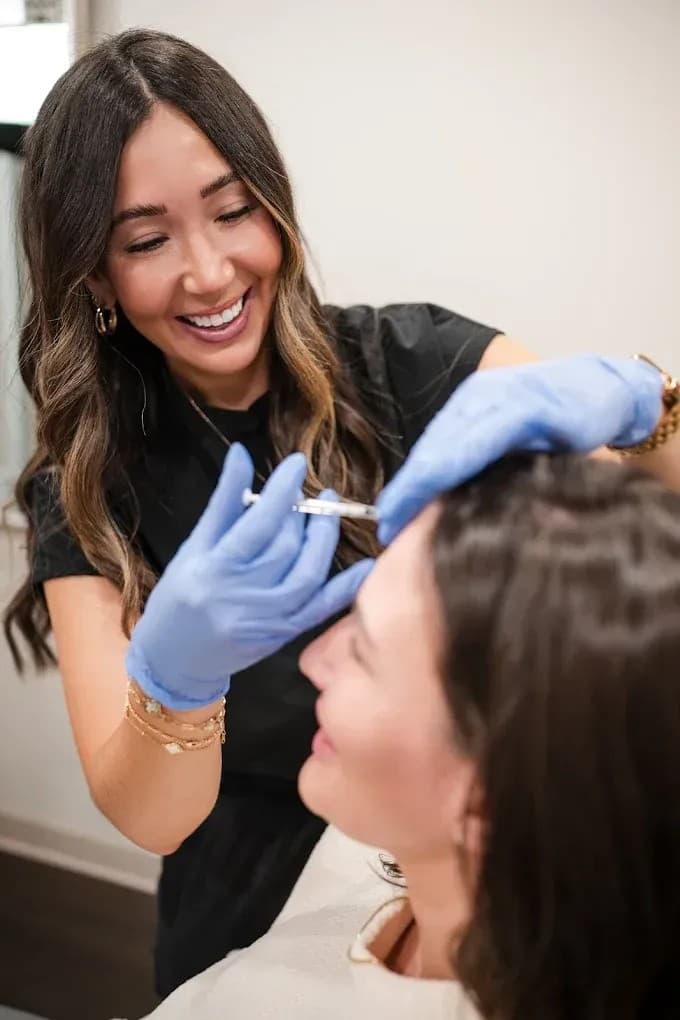
Natural-looking injectable results are not just a matter of aesthetic preference but a clinical outcome that depends on meticulous product selection and anatomical placement. Anne Therese Aesthetic Medicine, a physician-supervised practice with locations in Lewis Center, Gahanna, Cape Coral, and Bonita Springs, has outlined its approach to preventing the overfilled appearance, a common concern among patients seeking facial rejuvenation.
The overfilled look, often characterized by stiffness or a distorted facial expression, results from decisions made around volume calibration, product selection, and anatomical placement. According to the practice, these outcomes are largely avoidable when the physical properties of hyaluronic acid fillers are matched to the specific facial zone being treated. Fillers designed for structural support, such as Juvederm Voluma XC for mid-face volume, have different rheological properties than those formulated for superficial refinement, like Juvederm Volbella XC for lip border definition. Placing a high-resistance filler in a delicate area can lead to visible rigidity, which is why the licensed providers at Anne Therese carefully select products based on the depth of placement and the patient's existing tissue composition.
Volume calibration is equally critical. Adding filler to one area without considering adjacent facial compartments can shift proportions in unintended ways. The practice employs incremental refinement rather than maximum volume in a single session, allowing for adjustments over time. This conservative approach begins with lower doses and includes follow-up assessments at 10 to 14 days for Botox and two to four weeks for dermal fillers. These intervals give patients the opportunity to observe how their anatomy responds and make informed decisions about further refinement.
The consultation is the cornerstone of this process. Providers at Anne Therese review facial anatomy, treatment history, and patient goals before recommending any product or dose. For first-time patients, the consultation includes an explanation of how treatments work, realistic outcomes at different volume levels, and the follow-up process. This educational component empowers patients to make choices that align with their aesthetic goals while avoiding the pitfalls of excessive treatment.
The implications of this approach are significant for the aesthetic medicine industry. As demand for injectables continues to rise, the risk of overfilled outcomes increases, leading to dissatisfaction and potential corrective procedures. By emphasizing the importance of product selection and anatomical precision, Anne Therese Aesthetic Medicine sets a standard for patient safety and satisfaction. This methodology not only enhances individual results but also contributes to the broader conversation about responsible practice in cosmetic medicine.
For business leaders and practitioners, this underscores the value of specialized training and a personalized approach. Anne Therese Aesthetic Medicine, founded by Dr. Anne Therese Stubbs, M.D., is led by a physician who trains other doctors nationally in injection techniques and serves on the Galderma faculty board. This level of expertise ensures that patients receive care that prioritizes natural outcomes over volume-driven results.
Patients seeking natural-looking injectable results are encouraged to schedule a consultation at one of the four locations. The practice's commitment to conservative dosing and tailored treatment plans reflects a growing trend in aesthetic medicine toward subtle, individualized enhancement.
