

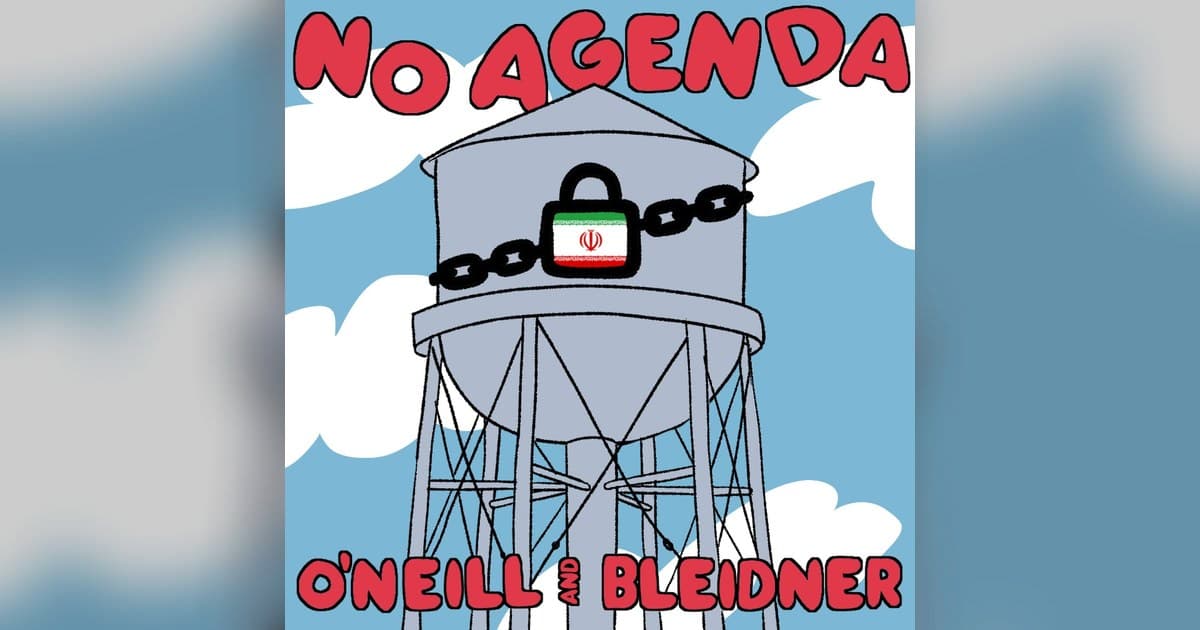
In a recent episode of the long-running podcast No Agenda, guest hosts Darren O'Neill and Larry Bleidner took over the mic to dissect a week's worth of media spin, political controversies, and tech news. The episode, titled "We Need Memes!" and published on August 2, 2026, was the first without co-founder John C. Dvorak, who recently passed away. The hosts opened with a tribute from an Australian listener before diving into a two-hour deconstruction of several major stories.
One of the central topics was Robert F. Kennedy Jr.'s heated exchange with CNN's Dana Bash, where he accused her of "press malpractice" for her coverage during the COVID-19 pandemic. The hosts praised Kennedy for turning the tables on the broadcaster, with Bleidner noting it was a rare moment when a cabinet member challenged the media's narrative. Kennedy's remarks highlighted a growing skepticism towards authority and the mainstream media's handling of dissenting voices—a theme that has been central to No Agenda's mission.
Another significant segment focused on Senator Bernie Sanders' real-estate holdings, which have come under scrutiny. The hosts analyzed how the media has framed Sanders' properties, including a Lake Champlain "summer camp," and questioned the consistency in coverage compared to other politicians' financial disclosures. This discussion ties into broader concerns about media bias and the selective outrage that often dominates political discourse.
The episode also examined Donald Trump's newly announced Truth Social API pricing, which has been criticized by Senator Chris Murphy and others as potential "insider trading." O'Neill, drawing on his technical background, explained that high-frequency traders already pay for similar firehose access on platforms like X, and the advantage is measured in milliseconds. He argued that the criticism misrepresents the nature of the API and its intended use. This segment highlights the complexities of financial technology and the potential for misinformation in political attacks.
Additionally, the hosts discussed alleged Iranian cyberattacks on water treatment plants in Minnesota, underscoring the growing threat of cyber warfare to critical infrastructure. The conversation then shifted to Michigan Senate candidate Abdul El-Sayed's leaked remarks about using memes to "pave the pathway for 2028" and "primarying" Senator John Fetterman. El-Sayed's comments, which included a crude metaphor about putting "one ogre on a pike," reveal the increasingly strategic use of internet culture in political campaigns.
Throughout the episode, the hosts maintained their signature skeptical lens, questioning the narratives presented by mainstream media and political figures. Their analysis of these stories provides valuable insights for business and technology leaders, particularly regarding the intersection of media, politics, and emerging technologies. The Truth Social API discussion, for instance, touches on issues of market fairness and the role of data access in high-frequency trading, while the cyberattack coverage underscores the importance of cybersecurity in public utilities.
No Agenda, known for its listener-supported model and irreverent take on news, continues to offer an alternative perspective that challenges conventional wisdom. This episode, despite the absence of Dvorak, demonstrates the show's resilience and its commitment to holding power to account. As the hosts noted, disagreement is often rebranded as disinformation, and their mission remains to provide a counterpoint to the mainstream narrative.
