

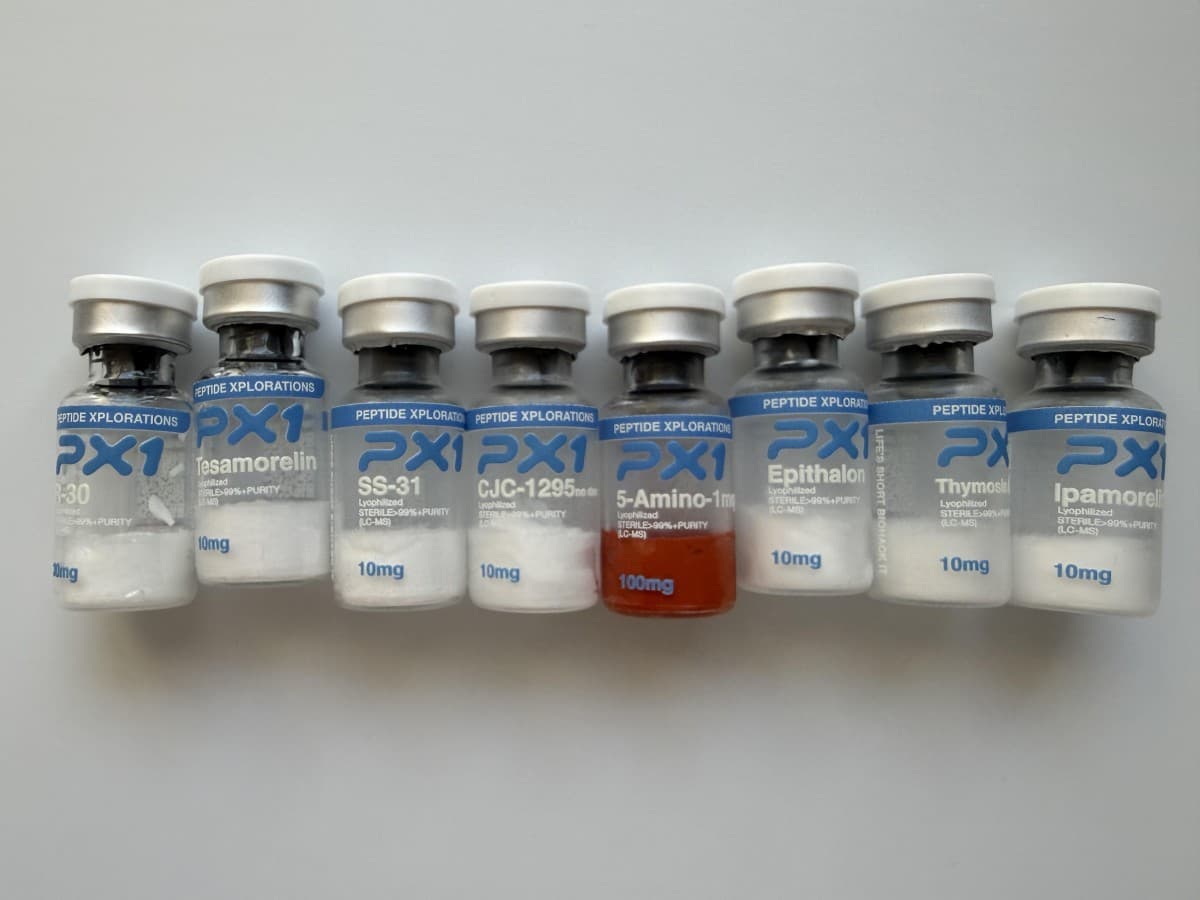
Newport Beach, CA – PX1 Research has announced that its domestically manufactured research peptides now undergo a seven-stage batch testing protocol, achieving 99%+ purity with full certificate of analysis (COA) documentation and same-day shipping on verified batches. This development marks a significant advancement in quality control for research-grade compounds, which have historically faced variability in purity and documentation standards, particularly among international suppliers.
The seven-stage testing process is conducted within current Good Manufacturing Practice (cGMP) certified facilities in the United States. It culminates in high-performance liquid chromatography (HPLC) combined with mass-spectrometry verification, a method widely recognized in analytical chemistry for its precision in confirming compound identity and measuring impurity levels. By applying this combined methodology to every batch, PX1 Research provides researchers with auditable documentation at the lot level, enhancing traceability from production to delivery.
Each shipment includes a COA that reflects the specific purity measurement for that batch, allowing researchers to cross-reference reported purity against the HPLC chromatogram data. This batch-level transparency is a departure from industry norms, where summary figures often lack detailed analytical backing. The COA supports laboratory recordkeeping and research documentation requirements, a critical factor for scientific integrity.
The company's commitment to domestic manufacturing under cGMP conditions addresses a common sourcing concern in the research peptide supply chain. Internationally sourced compounds have frequently presented inconsistent documentation and purity reporting. By maintaining production in the U.S., PX1 Research retains direct oversight of raw material sourcing, synthesis conditions, and environmental controls, ensuring a higher level of process discipline. The FDA's cGMP framework, typically associated with pharmaceutical production, is now applied to research peptides, setting a new benchmark for quality in the industry.
Among the high purity compounds available is research grade semaglutide, a GLP-1 receptor agonist that has attracted significant scientific interest in metabolic and endocrine research. Semaglutide's molecular complexity presents unique analytical challenges, making rigorous HPLC mass-spec verification particularly relevant. Researchers sourcing semaglutide from PX1 Research receive the same COA-backed documentation applied to other compounds in the portfolio, ensuring consistency across structurally complex peptides.
The implications of this announcement are far-reaching. For researchers, the availability of highly pure, well-documented peptides is essential for reproducible and reliable experimental outcomes. The seven-stage testing protocol and batch-level COA documentation reduce the risk of confounding results due to impurities, a concern that has plagued the research community. For the industry, this move could pressure other suppliers to adopt similar quality assurance measures, raising the overall standard for research peptides.
Moreover, the same-day shipping capability on verified batches minimizes delays in research timelines, a logistical advantage that can accelerate the pace of scientific discovery. As the demand for high-quality research compounds grows, particularly in fields like metabolic research, PX1 Research's approach may serve as a model for domestic manufacturing and quality assurance.
For business and technology leaders, this development underscores the importance of stringent quality control in the supply chain of scientific materials. The integration of advanced analytical techniques and cGMP standards into research-grade production not only enhances product reliability but also builds trust with researchers and institutions. As the industry evolves, the adoption of such rigorous protocols could become a differentiator for companies aiming to lead in the research peptide market.
PX1 Research's achievement of 99%+ purity via seven-stage testing is a testament to its commitment to quality and transparency. By providing comprehensive documentation and maintaining domestic cGMP production, the company is positioning itself as a reliable partner for scientific research, potentially influencing future standards in the field.
