

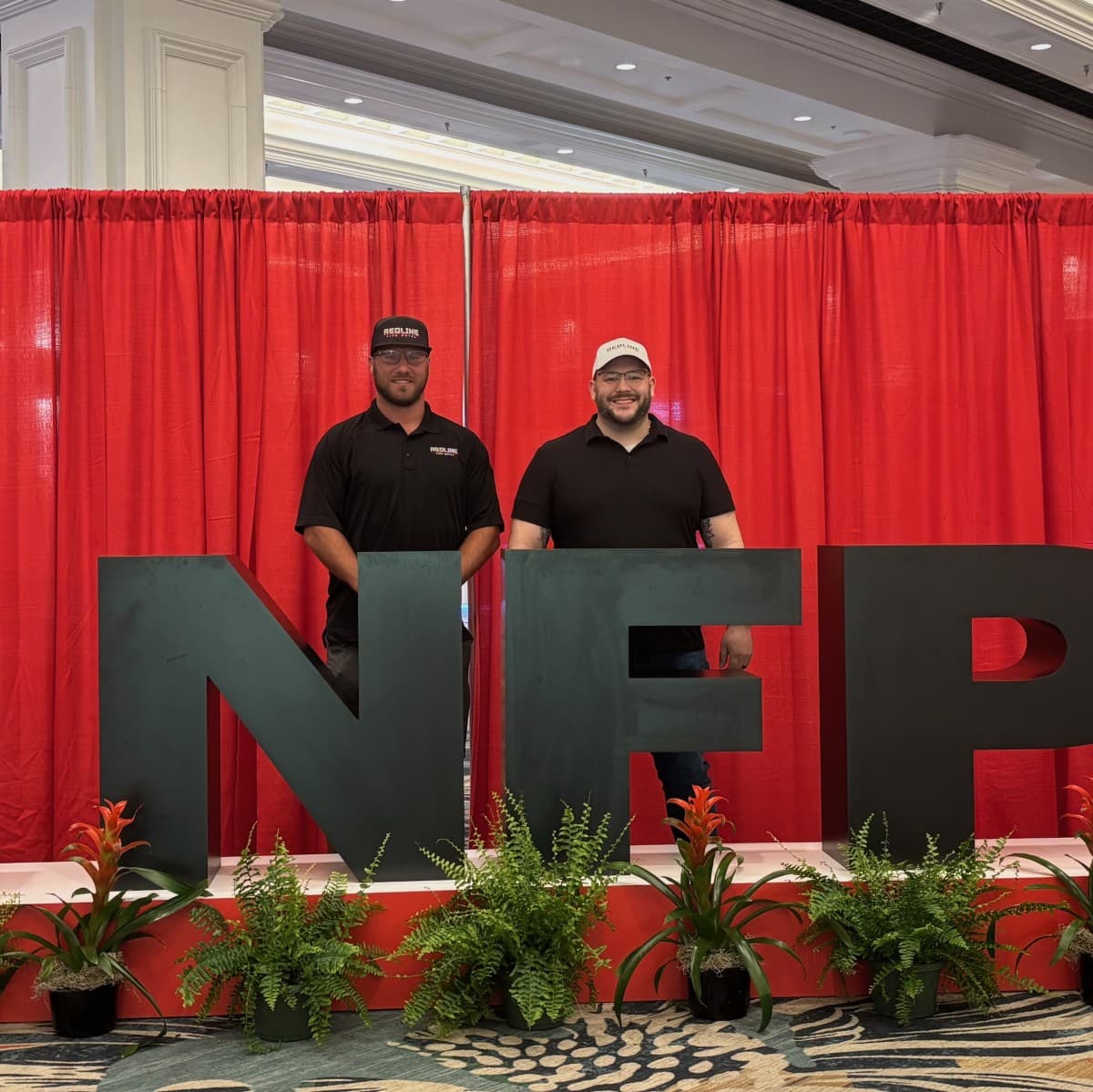
REDLINE Fire Watch, founded in Tampa, Florida in August 2020, has expanded its operations to include major hubs in Florida, New Jersey, and Salt Lake City, Utah, serving commercial clients across the United States. The company's growth reflects a shift in how commercial property operators approach fire watch compliance, moving from paper-based methods to documentation-first service models aligned with NFPA standards.
Central to REDLINE's model is its proprietary REDLINE App, a compliance platform that replaces handwritten fire watch logs with GPS-tracked, timestamped, and photo-verified patrol records. The system generates a defensible digital audit trail in real time, addressing one of the most persistent compliance failures: inadequate documentation during AHJ inspections, insurance reviews, or post-incident investigations. Commercial operators receive complete accountability records without requesting manual reports.
REDLINE requires all Fire Watch Specialists to hold Fire Watch Academy certification, aligned with NFPA standards, regardless of how they are sourced. Founder Jake Grove stated, "We made a decision early on that the certification standard would never be a variable. It doesn't matter how a specialist comes to us. If they're deploying under the REDLINE name, they meet the standard."
The company's operational infrastructure supports 24/7 emergency dispatch with a two-hour deployment target across Florida, New Jersey, and Utah. For other active markets, same-day deployment is standard. The dispatch model covers trigger events such as sprinkler system impairments under NFPA 25, fire alarm outages under NFPA 72, hot work operations under NFPA 51B and OSHA 29 CFR 1910.252 and 1926.352, power outages, and occupied construction environments.
REDLINE maintains structured engagement with fire marshals and Authorities Having Jurisdiction through Community Relations Manager Shane Hughes, treating regulatory alignment as a proactive function. This ensures protocols align with evolving enforcement expectations across jurisdictions.
Operations Manager Andrew Philbert coordinates scheduling, deployment logistics, and multi-market continuity as the company scales from a single market into a national operation. The company's portfolio pricing structure is designed for commercial property groups requiring standardized coverage across multiple locations.
The implications for commercial operators are significant: REDLINE's model reduces compliance risk by providing real-time, verifiable documentation that meets AHJ expectations. For industries such as healthcare, construction, and institutional facilities, this means fewer inspection failures and lower liability. The two-hour deployment target in key states ensures minimal downtime during emergencies, potentially saving businesses from costly shutdowns. As fire watch compliance becomes more scrutinized, REDLINE's technology-first approach sets a new standard that competitors may need to follow.
