

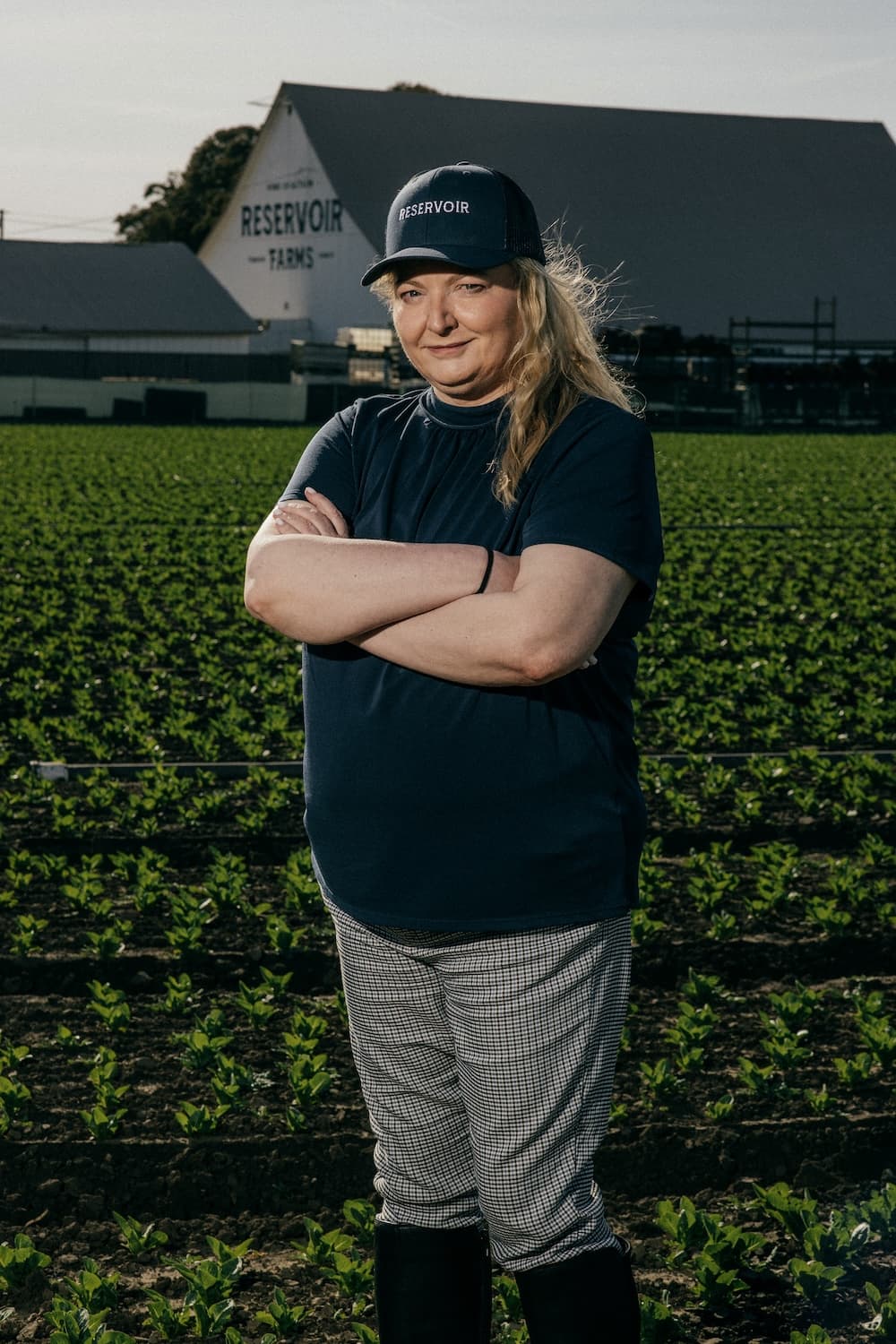
Reservoir, an agricultural innovation center and venture capital fund, announced on June 22, 2026, that it has acquired Contain, Inc., an agriculture finance and data platform. The acquisition marks Reservoir's first and adds a new layer to its value creation model for startups. As part of the deal, Nicola Kerslake has joined the firm as a general partner, where she will chair Reservoir VC's investment committee and lead its due diligence and underwriting functions. Terms of the transaction were not disclosed.
The acquisition brings Contain's marketplace, underwriting, financing experience, and market intelligence capabilities into Reservoir's portfolio. By integrating these assets, Reservoir is expanding how it can help startups move from pilot to commercial scale. This is particularly significant for companies working on rugged Physical AI in agriculture, which require substantial field testing and capital to deploy at scale.
Reservoir positions itself as a unique partner for agtech startups, combining R&D space, hands-on grower input, and early-stage capital. Its on-farm robotics innovation centers, starting in the Salinas Valley and expanding to other key regions across California and the American West, provide real-world environments for testing. Now with Contain's financial platform, Reservoir can offer startups a more comprehensive path from ideation to market readiness.
The addition of Kerslake, who brings deep expertise in underwriting and investment committee leadership, strengthens Reservoir's ability to evaluate and support high-potential ventures. For the agtech industry, this development signals a growing trend toward integrated venture platforms that blend physical infrastructure with financial services. Startups in the rugged Physical AI space, which includes autonomous machinery, sensor networks, and data analytics for high-value crops, stand to benefit from Reservoir's expanded toolkit.
For readers and industry leaders, the implications are clear: access to combined resources—field testing, grower networks, and now financing and data intelligence—can significantly de-risk and accelerate the commercialization of new agricultural technologies. As climate pressures and labor shortages intensify, such integrated support models may become essential for bringing innovations to growers who feed the world. More details are available at Reservoir's website.
