

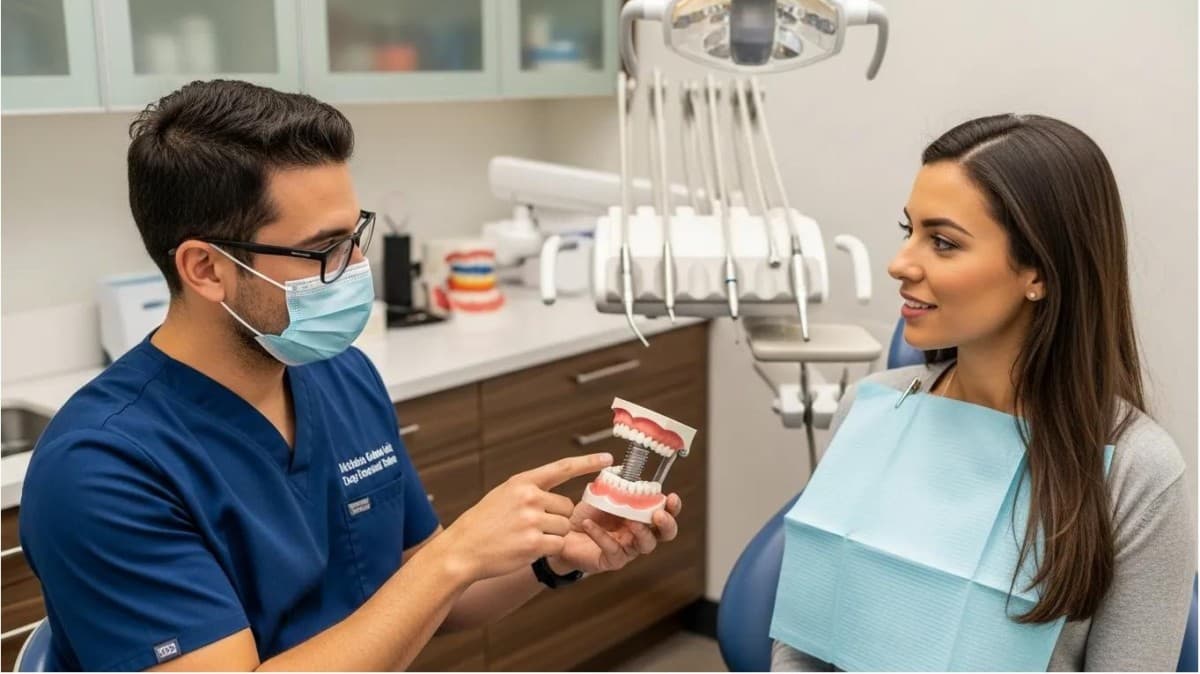
A recent report from Affordable Dental Marketing outlines strategies for obtaining dental implants at lower costs, emphasizing that while implants are expensive, they are not out of reach for budget-conscious patients. Dental implants, which can cost between $3,000 and $6,000 for a single tooth in the United States in 2026, are considered a long-term investment that can prevent future dental problems and reduce the need for replacements. The guide highlights that many patients overpay by accepting the first quote without exploring alternatives.
Dental implants are surgically placed into the jawbone to function like natural tooth roots, offering stability and durability that dentures and bridges often cannot match. The cost is driven by materials such as titanium or zirconia, advanced imaging technology like 3D CT scans, and the expertise of oral surgeons. Additional procedures like bone grafts or sinus lifts can further increase expenses.
To find affordable options, the guide recommends comparing multiple dental clinics, as prices can vary significantly within the same city. Dental schools are another cost-effective choice, offering savings of 30% to 60% by having students perform procedures under supervision. Dental tourism to countries like Mexico, Turkey, and Thailand is also popular, though patients should carefully research clinic credentials and consider follow-up care challenges.
Financing options can make implants more manageable. Some insurance plans now cover part of the cost, and many clinics offer monthly payment plans or interest-free financing for qualified patients. Healthcare credit programs like CareCredit are commonly used for dental procedures.
The guide warns against extremely low-priced implant deals, which may indicate poor-quality materials or inexperienced providers. Patients should ask detailed questions about what is included in the quoted price, the dentist's experience, and the materials used. For those considering alternatives, dentures and dental bridges are cheaper upfront but may require more maintenance and lack the bone-preserving benefits of implants.
Ultimately, the report concludes that affordable dental implants are achievable through careful research and planning. By comparing providers, exploring financing, and considering dental schools, patients can reduce costs without sacrificing quality. The key is focusing on long-term value rather than the cheapest option.
