

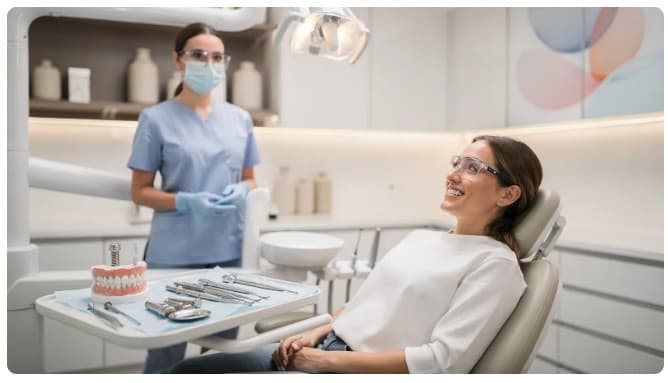
Dental implants are a leading solution for missing teeth, but their cost often deters patients. However, affordability does not have to mean sacrificing quality. By understanding what drives implant pricing and taking a strategic approach, patients can find reliable treatment that fits their budget.
The price of dental implants varies based on several factors, including the number of missing teeth, the need for preparatory procedures like bone grafting, and the materials used. A common mistake is choosing a provider based solely on a low advertised price, which may exclude crucial components such as consultations, imaging, the implant post, abutment, crown, and follow-up care. Instead, patients should request detailed, itemized estimates from multiple qualified dentists and compare complete treatment plans, not just headline numbers.
Financing options can ease the upfront burden. Many dental practices offer payment plans, but it is essential to review terms for hidden fees or high interest. Dental insurance may cover part of the treatment, such as extractions or crowns, so checking with your provider about implant coverage is advisable. For those without insurance, dental savings plans can reduce costs, though availability and discounts vary.
Another cost-saving avenue is dental schools, where supervised students perform procedures at lower rates. However, this option may not suit complex cases. It's important to weigh the potential time and quality implications.
While seeking affordability, patients should avoid automatically choosing the least expensive option. As with a car, the initial price is not the whole story; reliability and longevity determine true value. A skilled dentist may charge more upfront but provide a longer-lasting restoration, preventing future expenses. In contrast, a cheap implant could fail, leading to additional costs.
Exploring alternative treatments can also reduce costs. For instance, implant-supported bridges or dentures may replace multiple teeth with fewer implants, lowering the total expense. A dentist can explain the pros and cons of each approach, including expected longevity and maintenance.
Preventive care is a simple yet effective way to minimize future dental bills. Maintaining good oral hygiene and treating gum disease early can help preserve natural teeth and supporting bone, which are vital for implant success.
Dental tourism may seem attractive, but patients must consider travel, accommodation, and potential follow-up issues. A low overseas price might not include aftercare, and complications could require costly corrections at home.
Asking the right questions is key. Patients should inquire about the total estimated cost, what it includes, the dentist's experience, the implant system used, and whether additional fees could arise. A transparent dentist will provide a written treatment plan and clarify all charges.
Ultimately, affordable dental implants are about finding the right balance between cost, quality, and safety. By comparing providers, exploring financing, and focusing on long-term value, patients can restore their smiles without compromising their oral health or financial well-being.
