

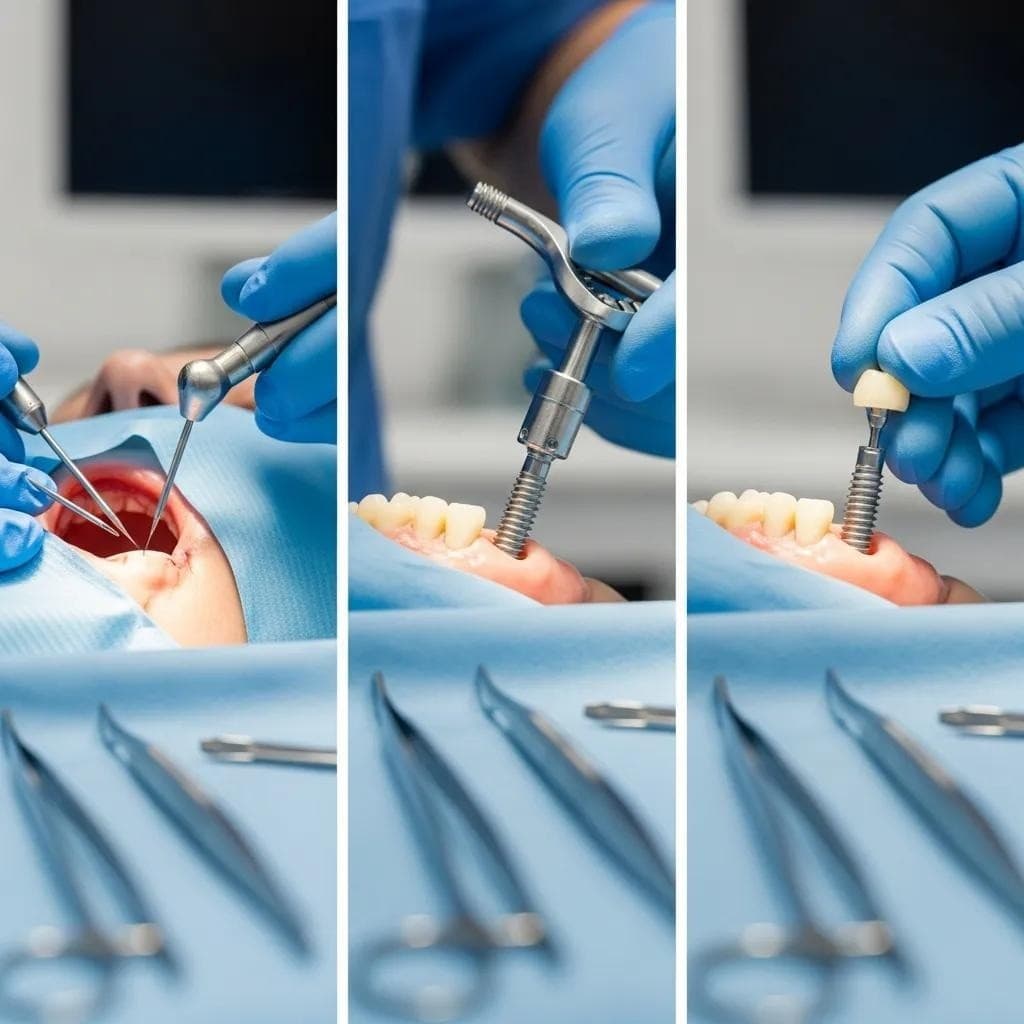
Dental implants are widely regarded as the gold standard for replacing missing teeth, offering natural appearance, durability, and long-term bone health. However, their cost—often ranging from $3,000 to $6,000 per single tooth in the United States as of 2026—can be a significant barrier. For full-mouth procedures, expenses can escalate to $25,000 or more. Despite these figures, experts emphasize that affordable implants are achievable through careful planning and research.
According to a recent guide from Affordable Dentist Near Me of Dallas, patients can save substantially by comparing multiple dental providers. Implant prices vary widely even within the same city, with some clinics charging premium rates for luxury facilities while others offer competitive pricing with equivalent care. Requesting detailed estimates that include all components—implant post, abutment, crown, imaging, and follow-up visits—is critical to avoid hidden fees.
Dental schools present another cost-effective avenue. Students perform procedures under licensed supervision, often reducing costs by 30% to 60%. While appointments take longer due to thorough monitoring, the savings can be substantial. Dental tourism to countries like Mexico, Turkey, and Thailand also offers lower prices, but patients must carefully vet clinics and consider the challenges of follow-up care after returning home.
Financing options have expanded, making implants more accessible. Monthly payment plans and healthcare credit programs like CareCredit allow patients to spread costs over time, sometimes with interest-free periods. Dental insurance coverage for implants has improved, though many plans still cover only portions—such as diagnostics or extractions—rather than the implant itself. Verifying benefits in advance is essential.
The guide warns against extremely low-priced deals, which may indicate substandard materials or inexperienced providers. Red flags include unclear treatment plans, aggressive sales tactics, and lack of follow-up care. Patients should ask about the number of implants the dentist has placed, the materials and brands used, and whether complications are covered.
For those unable to afford implants, alternatives like dentures and dental bridges are available. However, dentures may require frequent adjustments and reduce chewing ability, while bridges necessitate reshaping healthy teeth. Implants preserve jawbone and adjacent teeth, offering superior long-term value.
The key takeaway is that affordable dental implants require research and a focus on long-term value rather than upfront cost. By leveraging comparisons, educational institutions, and financing, patients can restore their smile without compromising quality or financial stability.
