

A new scientific statement from the American Heart Association projects that nearly 6 in 10 women in the United States will be living with some form of cardiovascular disease by 2050 if current health trends continue. Published in Circulation, the association's flagship peer-reviewed journal, the findings underscore a growing health crisis driven by rising rates of high blood pressure, diabetes and obesity—conditions that are becoming more common among younger women and girls.
Cardiovascular disease is already the leading cause of death for women in the U.S., affecting more than 62 million women and accounting for one in every three female deaths. The new projections indicate that without greater awareness and earlier prevention, the health and economic burden will continue to grow over the next several decades.
Lifestyle expert Jennifer Bonner says these findings serve as an important reminder that heart health isn't something women should think about only later in life. "Many women don't realize that the risk factors for heart disease often begin years before symptoms ever appear," Bonner explains. "The choices we make today—how we eat, how active we are, how well we manage stress and other health conditions—can have a lasting impact on our heart health tomorrow."
The report highlights several concerning trends. By 2050, nearly 60% of women are projected to have high blood pressure, while more than one in four will have diabetes and more than 60% will be living with obesity. These conditions significantly increase the risk of heart disease, heart failure, stroke and other cardiovascular complications.
The findings also reveal that these health challenges are appearing earlier than many expect. Among women ages 22 to 44, rates of cardiovascular disease and major risk factors are expected to climb substantially. Even younger generations are affected: researchers project that nearly 32% of girls between ages 2 and 19 could have obesity by 2050, influenced in part by inadequate physical activity and poor nutrition.
"This isn't simply about preventing disease later in life," Bonner says. "It's about creating healthy habits early so girls and women have the opportunity to enjoy better health throughout every stage of life."
The statement also points to significant disparities across communities. Women identifying as Black, Hispanic, American Indian or Alaska Native, Asian and multiracial populations are projected to experience some of the largest increases in cardiovascular risk factors. For example, more than 70% of Black women are projected to have high blood pressure and obesity by 2050, while Hispanic women are expected to see one of the largest increases in hypertension and Asian women one of the greatest increases in obesity.
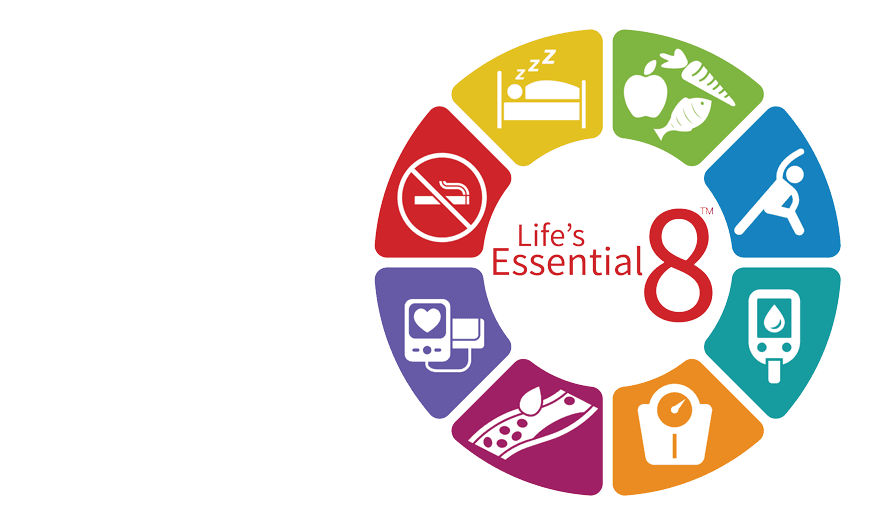
Despite these projections, experts emphasize they are not inevitable. According to the American Heart Association, as many as 80% of heart disease and stroke cases may be preventable through healthy lifestyle choices and effective risk factor management. The organization encourages women to follow Life's Essential 8™, which promotes better cardiovascular health through balanced nutrition, regular physical activity, quality sleep, avoiding tobacco, maintaining a healthy weight, and managing blood pressure, cholesterol and blood sugar.
Heart health also deserves attention during every stage of a woman's life. Pregnancy, perimenopause, menopause and aging can all influence cardiovascular risk, making routine medical care and preventive screenings increasingly important. Understanding personal risk factors and working with healthcare providers can help women take proactive steps before serious problems develop.
"The future isn't set in stone," Bonner says. "Every woman has opportunities to protect her heart, whether she's raising a family, building a career or entering a new stage of life. Small changes made consistently can lead to healthier outcomes for years to come." For trusted information about cardiovascular disease, prevention strategies and resources designed specifically for women, visit www.heart.org or www.goredforwomen.org.
