

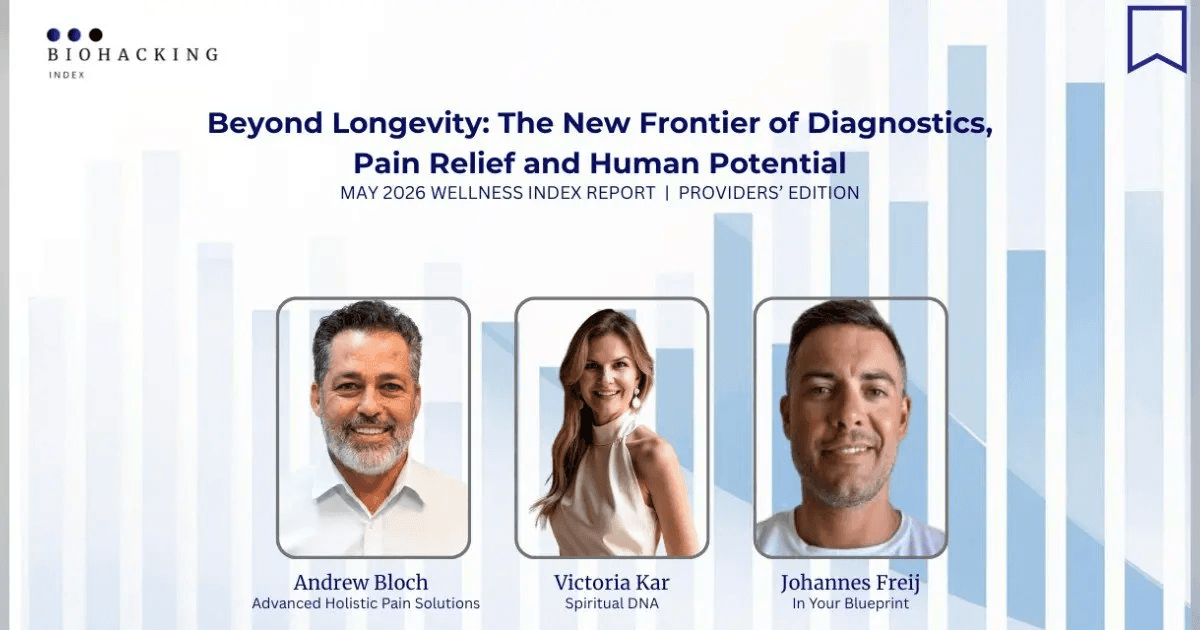
The latest Wellness Index Report, released June 3, 2026, by Wellness Eternal, highlights a significant evolution in consumer wellness priorities. According to the report, individuals are increasingly interested in understanding the root causes of health concerns rather than focusing solely on extending lifespan. This shift marks a departure from the longevity-centric approach that has dominated the wellness industry in recent years.
The report identifies three emerging trends driving this change: the growing use of personalized diagnostics to uncover root causes of health issues, rising demand for non-pharmaceutical pain management solutions, and increasing emphasis on human connection, purpose, and mental wellness. These trends suggest that consumers are seeking a more holistic approach to health that addresses underlying factors rather than just symptoms.
Personalized diagnostics, such as advanced lab testing and genetic analysis, are enabling individuals to identify specific imbalances or deficiencies that may contribute to chronic conditions. This proactive approach allows for targeted interventions, potentially reducing reliance on conventional pharmaceuticals. The report notes that consumers are also exploring non-pharmaceutical pain management options, including physical therapies, acupuncture, and mind-body techniques, as alternatives to medication.
Another key finding is the growing importance of human connection and purpose in overall well-being. The report emphasizes that emotional resilience and social relationships are critical components of health, often overlooked in traditional longevity-focused strategies. Mental wellness, including stress management and mindfulness practices, is becoming a priority for many consumers.
The report concludes that the future of wellness favors an integrated model that combines personalized diagnostics, preventive health strategies, emotional resilience, pain management, and human connection. This comprehensive approach aims to improve quality of life rather than merely extending years. The Wellness Index Report, a practitioner-led evaluation platform, assessed wellness providers and technologies through a four-step process including expert nomination, customer feedback, clinical review, and ongoing rating analysis. It provides transparent, third-party validation in the rapidly growing wellness and biohacking industry.
For business leaders and technology innovators, these findings signal a market shift toward products and services that address root causes and holistic well-being. Companies that adapt to this trend by offering personalized, integrative solutions may gain a competitive edge. The report underscores the importance of moving beyond simple longevity metrics to embrace a broader definition of health that includes mental, emotional, and social factors. As the wellness industry continues to evolve, stakeholders should consider how to incorporate these insights into their strategies to meet changing consumer demands.
