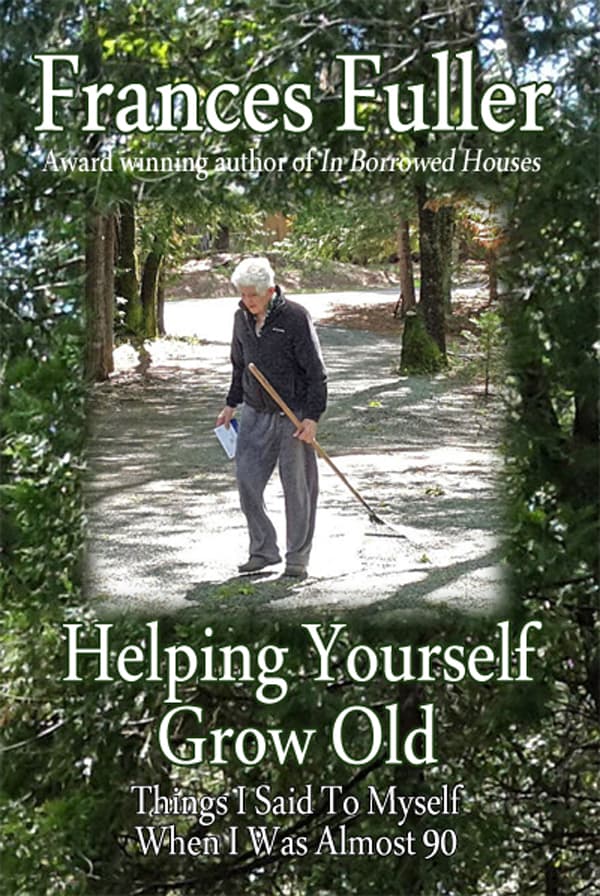
The availability of skilled nursing in assisted living facilities is a critical factor for the well-being and security of seniors, as highlighted by Frances Fuller in her recent article. Fuller, the author of 'Helping Yourself Grow Old, Things I Said To Myself When I Was Almost Ninety', brings attention to the often-overlooked aspect of retirement living that significantly impacts seniors' long-term care and peace of mind.
Fuller's article, accessible on her website, explores the comprehensive benefits of skilled nursing within assisted living environments. These benefits encompass daily care, management of chronic diseases, emergency response, rehabilitation services, and medication oversight. The presence of skilled nursing is not just a convenience but a necessity for ensuring a secure and dignified future for elderly residents.
Drawing from her personal experiences in a retirement community, Fuller illustrates how the seamless transition from independent to assisted living, and eventually to skilled nursing care within the same community, offers residents continuity and comfort. This model of care eliminates the stress and disruption often associated with moving to different facilities as care needs evolve.
Financial considerations are also a key focus of Fuller's discussion. She points out that some facilities offer life plans that include future skilled nursing care in the initial cost, providing financial predictability and security for residents and their families. This approach mitigates the worry of unforeseen expenses as care requirements increase.
Beyond the practicalities, Fuller highlights the emotional and psychological advantages of receiving skilled nursing care in a familiar setting. Staying within a known community allows residents to remain close to friends and maintain a sense of belonging, even as their care needs change.
For those evaluating retirement communities, Fuller's insights serve as a valuable guide. She advises prospective residents to prioritize the quality and availability of skilled nursing facilities in their decision-making process. Her personal anecdote about rejecting a facility due to inadequate nursing care underscores the importance of this criterion.
Frances Fuller's 'Helping Yourself Grow Old' offers a unique and personal perspective on aging, distinguishing itself from more clinical or academic treatments of the subject. The book's candid discussion of aging's challenges and joys, along with practical advice, has made it a recommended read for a wide audience, including those nearing retirement, current retirees, and professionals in elder care. The inclusion of discussion questions on Fuller's website further enhances the book's utility for group discussions and book clubs.
Fuller's work, both in her article and her book, provides essential guidance for individuals and families planning for the future. It underscores the importance of comprehensive care options in retirement communities and advocates for thoughtful consideration of long-term care needs, ensuring a better quality of life for seniors.