Haltom City, nestled between Dallas and Fort Worth, is experiencing a notable population decline, with a 2.03% drop since the 2020 census, now totaling 45,051 residents. This trend is alarming, especially as neighboring cities like Fort Worth are booming, attracting approximately 1,000 new residents daily. The disparity has sparked concern among local leaders and business advocates, who are now seeking ways to reverse the decline.
Ron Sturgeon, founder of www.makehaltomcitytriveagain.com, points to the city's uneven development focus as a key issue. 'City leaders don't have a plan for South and Central Haltom City, the older parts of the city,' Sturgeon remarked. He argues that neglecting these areas in favor of newer developments on the north side is exacerbating the population decline. Sturgeon believes that attracting small businesses back to the main corridors is essential for revitalization.
Joe Palmer, Communications Director for the Haltom United Business Alliance (HUBA), shares Sturgeon's concerns, particularly regarding the city's zoning regulations. Palmer suggests that revising the 'use matrix' could foster small business growth and, by extension, attract new residents. 'Why would any large business come to the corridor where the other large businesses have left? All we can hope to do is attract small businesses, one at a time,' Palmer stated.
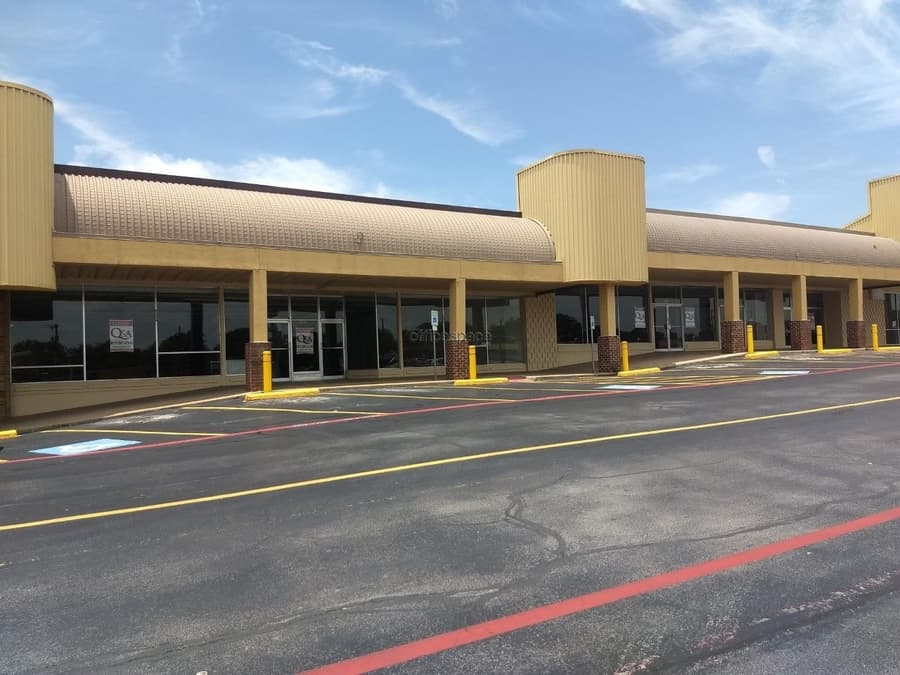
Among the proposed solutions is the modification or elimination of stringent parking regulations, which Sturgeon identifies as a barrier to redeveloping older buildings. 'Haltom City doesn't have to be the last city to take this step, they seem to be decades behind other cities,' he said, highlighting the potential for such changes to encourage business startups and revitalization.
The efforts to rejuvenate Haltom City's older areas are not just about attracting new businesses and residents. They also aim to alleviate the tax burden on current residents and support the city's infrastructure and services. As Sturgeon aptly put it, 'Haltom City could remove these unwieldy parking mandates, which are often ineffective and inefficient.' Addressing these challenges could mark the beginning of a brighter future for Haltom City, ensuring its place as a vibrant and prosperous community amidst the rapid growth of its neighbors.