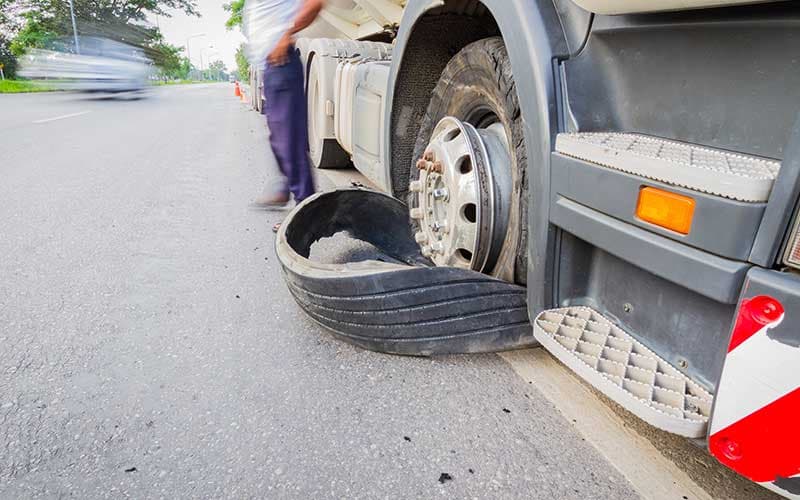
The sudden failure of a semi-truck tire on Georgia highways presents a critical safety hazard with complex legal ramifications, according to a recent analysis by a Georgia truck accident law firm. These incidents, often resulting in severe multi-vehicle collisions, are rarely random events but rather point to underlying failures in maintenance, inspection, and accountability within the commercial trucking chain.
The mechanics of a tire blowout are inherently dangerous. When a tire bursts at highway speeds, the driver of a vehicle weighing tens of thousands of pounds can lose control almost instantly, with little chance to correct the trajectory before a crash occurs. The causes are varied and frequently preventable, ranging from underinflation and worn tread to overloading, poor repairs, or manufacturing defects. Even an impact with a road hazard like a pothole can be the final stressor on a tire that has been neglected.
Determining liability in the aftermath is a multifaceted process. Responsibility may extend to the truck driver, the trucking company, maintenance personnel, or the tire manufacturer, as each entity plays a role in ensuring the vehicle's roadworthiness. The Federal Motor Carrier Safety Administration (FMCSA) enforces strict regulations on maintenance, inspection, and recordkeeping, but these systems are only effective when rigorously followed. Attorney Charles Graham of Georgia Big Truck Lawyer notes that these accidents often reveal deeper systemic issues. "These accidents usually tell a story of what went wrong long before the crash," he said. "It might be skipped maintenance, ignored warning signs, or poor oversight that set the stage for disaster."
The human cost is severe. Injuries commonly include traumatic brain and spinal cord injuries, crushed limbs, and multiple fractures, with some victims facing permanent disability. In fatal cases, families are left to navigate wrongful death claims. Georgia's comparative fault rule adds a layer of complexity, potentially barring recovery for an injured party found to bear more than 50% of the blame for an accident. This legal nuance often leads insurance companies to aggressively assign fault, making the early collection of evidence—such as tire remnants, maintenance logs, and electronic control module data—paramount for victims seeking compensation.
Prevention hinges on consistent, disciplined practices across the industry. Routine and thorough tire inspections, proper cargo loading to avoid overloading, and honest reporting of maintenance issues are fundamental yet critical steps. The analysis positions tire blowouts not as mere accidents of chance but as indicators of weak spots in commercial trucking operations. For business and technology leaders, especially those in logistics, supply chain management, and transportation technology, this underscores a significant operational and reputational risk. The prevalence of such preventable failures on busy corridors like Georgia's interstates highlights a pressing need for enhanced safety protocols, potentially driven by better monitoring technology and stricter compliance enforcement. The full legal analysis is available at https://grahamlawga.com/valdosta-personal-injury-lawyer/.
The implications extend beyond immediate legal liability. For the trucking and logistics industry, which is increasingly reliant on technology for fleet management, these incidents spotlight a gap between regulatory standards and on-the-ground execution. They represent a direct threat to supply chain efficiency, corporate liability, and public safety. For technology developers, it signals a market need for more robust predictive maintenance systems, real-time tire monitoring sensors, and improved data logging to ensure compliance and prevent catastrophic failures. Ultimately, the discussion around tire blowout liability serves as a case study in how systemic operational failures can lead to devastating human and financial consequences, urging leaders in transportation and adjacent tech sectors to prioritize and invest in foundational safety measures.