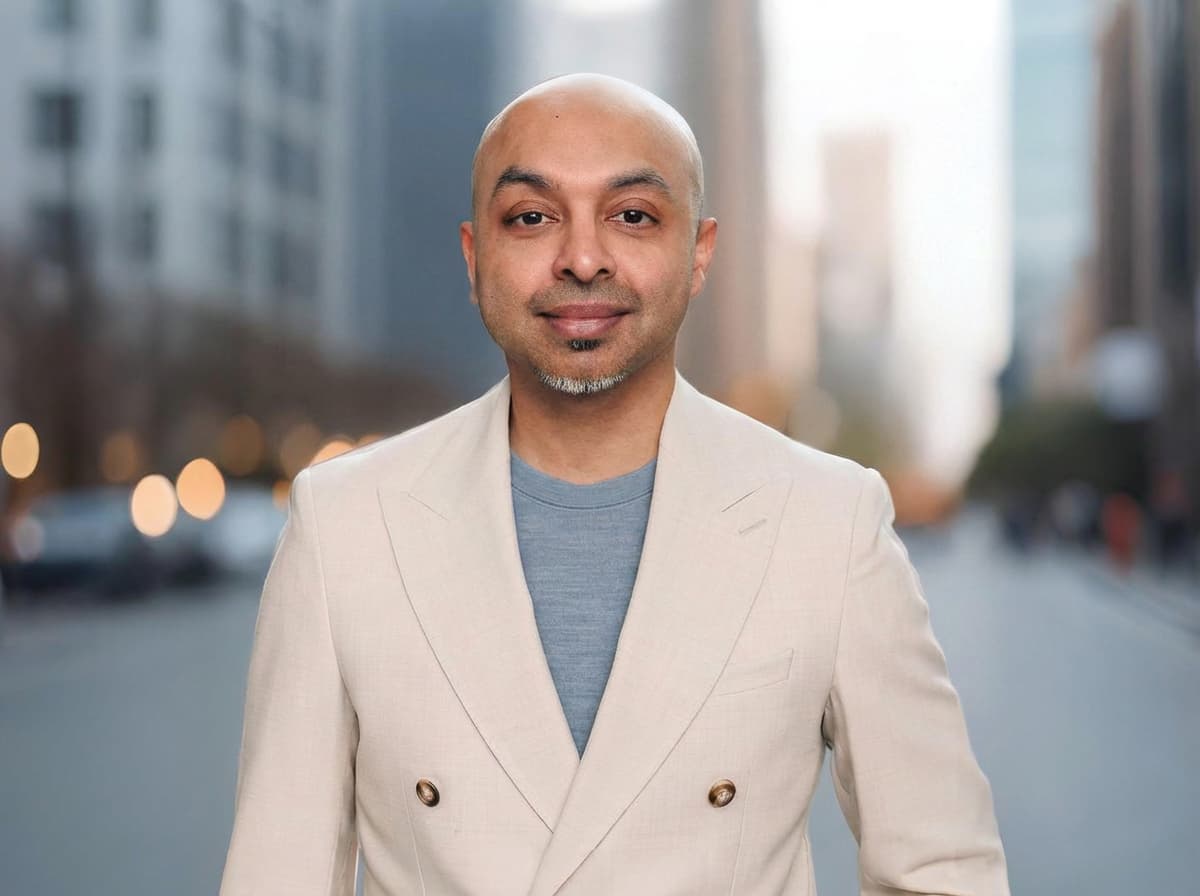
New York City's luxury residential market in 2026 is being reshaped by buyers who treat property acquisition as a financial calculation rather than an emotional purchase. According to Mukul "Micky" Lalchandani, founder and managing broker of Undivided, a boutique NYC residential brokerage, clients in the $5 million-plus tier—including tech founders, finance executives, physicians, and global investors—are among the most rigorous buyers in any market. These individuals model exit returns before considering aesthetic appeal and demand data on absorption rates and price per square foot, often walking away from deals that fail under scrutiny regardless of the address's prestige.
Lalchandani's philosophy centers on purchasing based on future marketability rather than personal taste. "Bigger numbers mean bigger problems, potentially," he states, advising clients to evaluate properties through the lens of the next buyer. This approach requires tracking resale performance, absorption rates, and supply pipelines in specific buildings, treating residential property more like a financial asset than a personal home. The current market conditions amplify this strategy, as inventory above $4 million remains historically tight in 2026, with cash buyers moving quickly on limited options.
A significant gap exists between publicly listed properties and what's actually available, making early access to off-market opportunities crucial. Lalchandani dedicates considerable effort to monitoring which developers are quietly holding inventory, which buildings are nearing sellout, and when sponsor units might re-enter the market. "If you're not on my radar when an off-market opportunity surfaces, I won't even be able to inform you," he explains. "You may lose the perfect home—one that never even hits Zillow."
Since COVID-19, luxury buyer preferences have shifted meaningfully. Features like private outdoor terraces, home-office-ready floor plans, and single-unit elevator landings have moved from preferences to near-requirements for high-end clients. Privacy, both in daily living and transaction handling, has become a defining market feature. Lalchandani recalls negotiating a $17 million Central Park-facing sale where the owner refused any press coverage, leaving no online trace of the transaction—a level of discretion now standard at this price point.
For newcomers to NYC, Lalchandani often redirects them from televised neighborhoods toward areas offering real value. He cites a client initially focused on SoHo who instead purchased a $7 million Gramercy penthouse in a new building with amenities, $1 million below asking price. Four years later, comparable units trade near $8.6 million. The discount stemmed from the building reaching a sales cycle phase where developers prioritized absorption over pricing, a dynamic Lalchandani actively seeks. "There are 900,000 buildings in New York City," he notes. "Two apartments side by side in the same building can sell at very different prices per square foot. Being able to understand those nuances is what separates an asset from a liability."
The implication for business and technology leaders is clear: New York's luxury real estate market now rewards analytical, forward-looking investment strategies over impulsive, status-driven purchases. Success requires understanding micro-market dynamics, developer motivations, and evolving buyer preferences around privacy and functionality. As Lalchandani concludes, "In New York, the hardest part isn't finding an apartment. It's knowing which apartment will still make sense five years from now. Most properties look similar today. Their future performance won't be."