

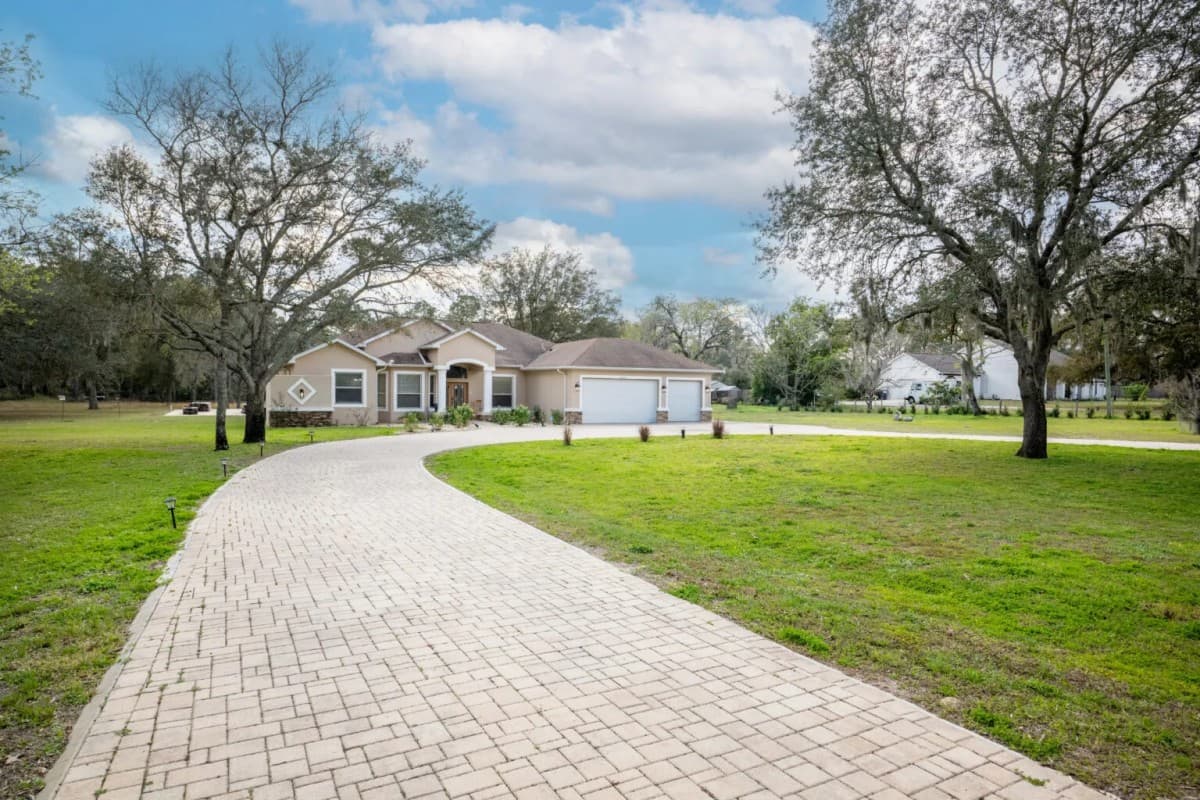
Aliviya Rose Manor, a nurse-owned residential care home in Spring Hill, Florida, has announced the expansion of its memory care programs alongside facility safety upgrades aimed at better serving residents with dementia and related cognitive conditions. The enhancements are led by owner Wendy Schabilion, a former Hospice RN and PAC Certified Trainer with direct clinical experience in end-of-life and dementia care.
The expansion introduces PAC-based therapeutic programs, which are structured activities designed with cognitive and emotional goals in mind. These programs are tailored to each resident's needs, emphasizing continuity, familiarity, and comfort. Schabilion's dual background as a registered nurse and a certified trainer in the PAC framework allows the facility to deliver memory care that is grounded in both clinical best practices and structured therapeutic engagement.
According to the announcement, memory care residents at Aliviya Rose Manor benefit from care plans developed and overseen by a clinically trained owner, a distinction that separates the facility from larger, staff-rotated care environments. The approach is built on the understanding that residents with memory challenges require consistency not only in their physical surroundings but also in the individuals who support them daily. For families evaluating memory care options in Spring Hill, FL, this development offers a notable alternative to generalized senior housing.
Aliviya Rose Manor operates as an 8-bed residential care home, a deliberate structural choice that directly influences care delivery. In a home of this size, staff-to-resident ratios remain close, routines stay predictable, and the environment retains the character of a private residence rather than a medical facility. For individuals navigating memory loss, these factors carry measurable day-to-day significance. The home's model aligns with what is increasingly described as boutique senior care—small-scale, relationship-centered environments where individualized attention is built into the structure of the setting itself.
Recent safety upgrades to the facility reinforce this model. The improvements are described as directly supporting the needs of memory care residents, an area where environmental details such as navigation clarity, secure outdoor access, and fall prevention features carry direct relevance to resident wellbeing.
Schabilion's clinical history informs not only the programs offered but also the philosophy behind how the home operates. Her experience in hospice nursing brings a particular awareness of the later stages of cognitive decline, including the intersection of comfort-focused care and family communication during difficult transitions. As a PAC Certified Trainer, she adds a structured programming dimension to the home's offerings, enabling residents to participate in activities designed with cognitive and emotional goals in mind rather than simply filling scheduled time.
“Our residents receive care from someone who understands both the clinical and the human side of memory loss—because this is a nurse-owned home, not a corporate facility,” said Schabilion.
For families considering assisted living options in Spring Hill, FL, for a loved one with dementia, Alzheimer's, or other memory-related diagnoses, this expansion provides access to a clinically led, small-home environment focused on the resident experience at each level of care. The initiative underscores a growing trend in senior care: the value of specialized, small-scale settings that offer more than just housing but also tailored therapeutic support.
